DavidParry
The Rhetoric of Conversion in English Puritan Writing from Perkins to Milton
The Rhetoric of Conversion in English Puritan Writing from Perkins to Milton
💎 Earn 504 Points (£5.04) on this item.
We can order this item for you. Delivery usually takes about 4 to 6 weeks.
This item is not held in our immediate stock. We will order it for you after checkout.
Estimated delivery: About 4 to 6 weeks
- Condition: Brand new
- UK Delivery times: Usually arrives within 2 - 3 working days
- UK Shipping: Fee starts at £2.39. Subject to product weight & dimension
Bulk ordering. Want 15 or more copies? Get a personalised quote and bigger discounts. Learn more about bulk orders.
Couldn't load pickup availability
- More about The Rhetoric of Conversion in English Puritan Writing from Perkins to Milton
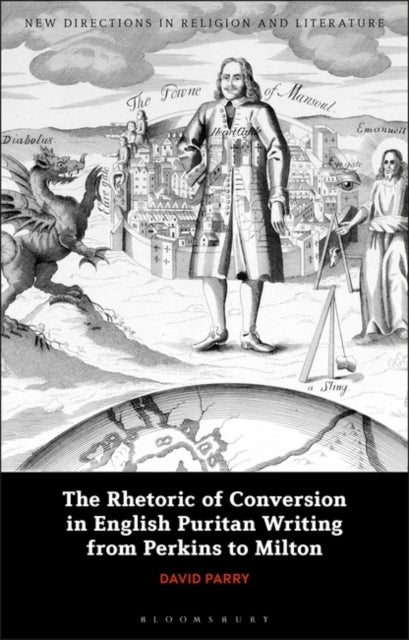
This book explores how English Puritan preachers and writers used reason and imagination to persuade their hearers and readers towards conversion, assurance of salvation, and godly living. It traces the emergence of Puritan allegory as an alternative, imaginative mode of rhetoric and concludes with reflections on how Milton deployed similar strategies to persuade his readers.
Format: Hardback
Length: 288 pages
Publication date: 27 January 2022
Publisher: Bloomsbury Publishing PLC
This comprehensive rhetorical analysis delves into the persuasive techniques employed by English Puritan preachers and writers, showcasing their strategic use of reason and imagination to captivate their audiences and promote conversion, assurance of salvation, and godly living. By examining a diverse range of preacher-writers, including William Perkins, Richard Sibbes, Richard Baxter, and John Bunyan, the book explores the continuities and contrasts in the theory and practice of persuasion. It sheds light on the emergence of Puritan allegory as an alternative, imaginative mode of rhetoric, highlighting its paradoxical significance within Puritan culture. The book concludes with reflections on how Milton employs similar strategies to persuade his readers toward his unique brand of godly faith, making an original contribution to ongoing scholarly discussions surrounding Puritanism's textual culture, rhetoric history, and the rhetorical nature of theology.
Introduction:
The persuasive practice of English Puritan preachers and writers has been a subject of extensive study, as these individuals sought to influence their hearers and readers towards conversion, assurance of salvation, and godly living. This rhetorical analysis aims to explore the intricate ways in which these preacher-writers appealed to both reason and imagination to achieve their desired outcomes. By examining a diverse range of works from various preacher-writers, including William Perkins, Richard Sibbes, Richard Baxter, and John Bunyan, we will trace the emergence of Puritan allegory as an alternative, imaginative mode of rhetoric. This study will shed new light on the paradoxical question of how allegories such as John Bunyan's The Pilgrims Progress came to be among the most significant contributions of Puritanism to the English literary canon, despite the suspicions of allegory and imagination that were endemic in Puritan culture.
Puritan Allegory as a Persuasive Mode:
Puritan allegory emerged as a powerful tool for persuasion in the early modern period. It allowed preacher-writers to convey complex theological ideas and moral principles in a more accessible and engaging manner. Allegories such as Bunyan's The Pilgrims Progress provided a visual representation of the Christian journey, making it easier for readers to understand and relate to the characters and their struggles. By employing allegory, preacher-writers were able to appeal to both reason and imagination, as they could use imagery and symbolism to create vivid and memorable narratives that resonated with their audiences.
The Persuasive Power of Reason:
While Puritan culture was often suspicious of allegory and imagination, preacher-writers recognized the persuasive power of reason. They believed that the rational mind was capable of understanding and accepting theological truths, and they used logical arguments and reasoning to support their persuasive messages. Preacher-writers such as Perkins and Sibbes emphasized the importance of studying the Scriptures and applying them to everyday life, arguing that this would lead to a deeper understanding of God and his purposes. They also used analogies and metaphors to explain complex theological concepts in a more relatable way, helping their audiences to grasp the significance of their beliefs.
The Persuasive Power of Imagination:
Despite the suspicions of allegory and imagination, preacher-writers also recognized the power of imagination to inspire and motivate their audiences. They used imaginative narratives and vivid imagery to create a sense of awe and wonder, which could help to captivate their listeners and encourage them to embrace their beliefs. Preacher-writers such as Baxter and Bunyan used allegorical characters and scenarios to illustrate the consequences of sin and the rewards of obedience, helping their audiences to see the importance of living a godly life.
Conclusion:
In conclusion, this rhetorical analysis of the persuasive practice of English Puritan preachers and writers demonstrates the strategic use of reason and imagination to promote conversion, assurance of salvation, and godly living. By examining the emergence of Puritan allegory as an alternative, imaginative mode of rhetoric, we have gained a deeper understanding of the paradoxical relationship between allegory and imagination within Puritan culture. This study has also shed new light on the persuasive power of reason and imagination, highlighting the ways in which preacher-writers used these tools to captivate their audiences and inspire them to live a godly life. As we continue to explore the rich textual culture of Puritanism, we can draw upon the insights and strategies employed by these preacher-writers to better understand the complexities of persuasion and its role in shaping religious and cultural identities.
Weight: 574g
Dimension: 163 x 242 x 22 (mm)
ISBN-13: 9781350165144
This item can be found in:
UK and International shipping information
UK and International shipping information
UK Delivery and returns information:
- Delivery within 2 - 3 days when ordering in the UK.
- Shipping fee for UK customers from £2.39. Fully tracked shipping service available.
- Returns policy: Return within 30 days of receipt for full refund.
International deliveries:
Shulph Ink now ships to Australia, Belgium, Canada, France, Germany, Ireland, Italy, India, Luxembourg Saudi Arabia, Singapore, Spain, Netherlands, New Zealand, United Arab Emirates, United States of America.
- Delivery times: within 5 - 10 days for international orders.
- Shipping fee: charges vary for overseas orders. Only tracked services are available for most international orders. Some countries have untracked shipping options.
- Customs charges: If ordering to addresses outside the United Kingdom, you may or may not incur additional customs and duties fees during local delivery.