Shulph Ink
The Right to Memory: History, Media, Law, and Ethics
The Right to Memory: History, Media, Law, and Ethics
💎 Earn 446 Points (£4.46) on this item.
We can order this item for you. Delivery usually takes about 4 to 6 weeks.
This item is not held in our immediate stock. We will order it for you after checkout.
Estimated delivery: About 4 to 6 weeks
- Condition: Brand new
- UK Delivery times: Usually arrives within 2 - 3 working days
- UK Shipping: Fee starts at £2.39. Subject to product weight & dimension
Bulk ordering. Want 15 or more copies? Get a personalised quote and bigger discounts. Learn more about bulk orders.
Couldn't load pickup availability
- More about The Right to Memory: History, Media, Law, and Ethics
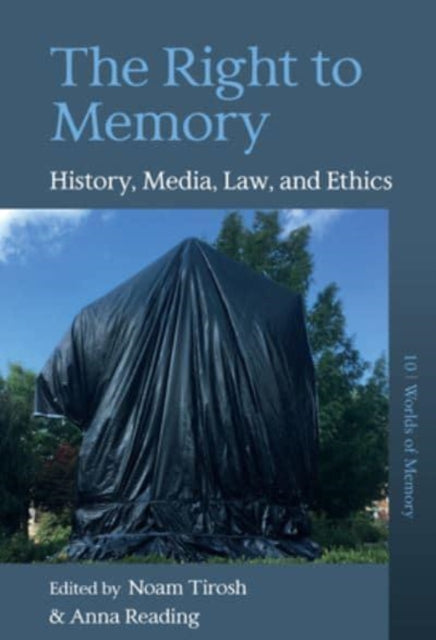
Memory studies have traditionally focused on everyday memory and commemoration, but the Right to Memory explores how memory relates to human rights and socio-legal constructs to legitimize and protect groups and individuals. Case studies include Polish Holocaust Law, Amartya Sens capability theory approach, and the right to memory through digital technologies in Brazilian and British museums.
Format: Hardback
Length: 194 pages
Publication date: 10 February 2023
Publisher: Berghahn Books
Memory studies have traditionally centered on everyday memory and commemoration practices, which play a crucial role in shaping our understanding of the past and constructing our identities. However, the Right to Memory goes beyond these everyday practices and explores the deeper connections between memory and human rights, as well as socio-legal constructs. By examining case studies such as the Polish Holocaust Law, the Indian origins of Amartya Sen's capability theory approach, and the right to memory through digital technologies in Brazilian and British museums, this collection aims to establish the right to memory as a foundational topic in memory studies.
One of the key themes explored in the Right to Memory is the relationship between memory and human rights. Memory is often seen as a means of preserving and transmitting historical events and experiences, but it can also be used to perpetuate injustice and discrimination. For example, the Polish Holocaust Law recognizes the right of Holocaust survivors and their descendants to access and preserve their memories, while also providing legal protections against Holocaust denial and distortion. Similarly, the Indian origins of Amartya Sen's capability theory approach emphasize the importance of memory in promoting social and economic development, particularly for marginalized communities.
Another important aspect of the Right to Memory is its relationship with socio-legal constructs. Memory can be used to shape legal and political decisions, and can be a powerful tool for social justice and equality. For example, the right to memory through digital technologies in Brazilian and British museums allows individuals to access and share their memories with a wider audience, while also providing a means of preserving cultural heritage and promoting cultural diversity.
However, the Right to Memory also faces challenges. One of the main challenges is the lack of recognition and protection of memory rights in many parts of the world. Many individuals and communities face discrimination and violence because of their memories, and there is a need for greater legal and political support to address these issues. Additionally, the use of memory in the media and popular culture can sometimes perpetuate harmful stereotypes and misconceptions, and there is a need for greater awareness and education about the importance of memory rights.
To address these challenges, the Right to Memory advocates for a range of policies and practices. These include the creation of memory institutions and archives, the provision of legal and financial support for memory projects, and the promotion of public awareness and education about memory rights. Additionally, the Right to Memory recognizes the importance of intergenerational memory and the need to preserve memories across generations.
In conclusion, the Right to Memory is a critical topic in memory studies that seeks to establish the right to memory as a foundational topic in memory studies. By exploring the relationship between memory and human rights, socio-legal constructs, and the challenges faced by memory rights, this collection aims to contribute to the development of a more just and equitable society.
Dimension: 229 x 152 (mm)
ISBN-13: 9781800738577
This item can be found in:
UK and International shipping information
UK and International shipping information
UK Delivery and returns information:
- Delivery within 2 - 3 days when ordering in the UK.
- Shipping fee for UK customers from £2.39. Fully tracked shipping service available.
- Returns policy: Return within 30 days of receipt for full refund.
International deliveries:
Shulph Ink now ships to Australia, Belgium, Canada, France, Germany, Ireland, Italy, India, Luxembourg Saudi Arabia, Singapore, Spain, Netherlands, New Zealand, United Arab Emirates, United States of America.
- Delivery times: within 5 - 10 days for international orders.
- Shipping fee: charges vary for overseas orders. Only tracked services are available for most international orders. Some countries have untracked shipping options.
- Customs charges: If ordering to addresses outside the United Kingdom, you may or may not incur additional customs and duties fees during local delivery.