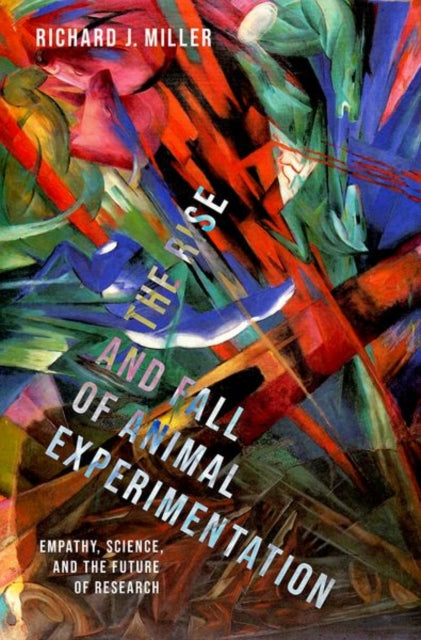
Richard J.Miller
The Rise and Fall of Animal Experimentation: Empathy, Science, and the Future of Research
The Rise and Fall of Animal Experimentation: Empathy, Science, and the Future of Research
💎 Earn 117 Points (£1.17) on this item.
YOU SAVE £1.40
- Condition: Brand new
- UK Delivery times: Usually arrives within 2 - 3 working days
- UK Shipping: Fee starts at £3.89. Subject to product weight & dimension
Bulk ordering. Want 15 or more copies? Get a personalised quote and bigger discounts. Learn more about bulk orders.
Couldn't load pickup availability
- More about The Rise and Fall of Animal Experimentation: Empathy, Science, and the Future of Research
Animal experimentation has been normalized due to the expansion of the pharmaceutical industry and university research funding, but The Rise and Fall of Animal Experimentation questions its effectiveness and whether there are alternatives. The book explores the history of animal experimentation and the scientific, theological, and philosophical influences that formed the basis for these ideas, and encourages biomedical research to consider more anthropocentric paradigms that reflect human diversity.
Format: Hardback
Length: 304 pages
Publication date: 30 June 2023
Publisher: Oxford University Press Inc
Every year, a staggering number of animals are subjected to cruel and inhumane treatment in the name of biomedical research, despite the significant risk of harm and suffering. This practice, which has been normalized by the expansion of the pharmaceutical industry and university research funding, has raised questions about the scientific value and ethical implications of using animals as test subjects.
From a scientific perspective, the primary goal of animal experimentation is to develop new therapies and treatments for human diseases. However, there is ongoing debate about whether these experiments are truly necessary and whether they yield effective results. Some scientists argue that animal-based research is essential for advancing medical science and finding cures for devastating illnesses. They claim that without animal testing, we would not be able to test the safety and efficacy of new drugs and therapies on humans.
On the other hand, many critics argue that animal-based research is outdated, unethical, and ineffective. They point out that animals cannot fully replicate the complex biological and physiological processes of humans, making it difficult to draw valid conclusions from studies conducted on them. Moreover, animals often suffer severe pain, distress, and even death during these experiments, which many people consider to be a moral outrage.
One of the main arguments against animal-based research is that it does not always lead to effective treatments for human diseases. Many drugs and therapies that were tested on animals have failed in human clinical trials, wasting valuable time and resources. In addition, animals used in research may not represent the full spectrum of human diversity, which can limit the applicability of findings to different populations.
Another concern is that animal-based research can be misleading and inaccurate. Animals may exhibit different responses to drugs and treatments than humans, making it difficult to predict how they will affect humans. This can lead to unexpected side effects and even harm to patients.
Despite these concerns, animal-based research continues to be widely practiced in the biomedical field. Many pharmaceutical companies and academic institutions rely on animal studies to develop new drugs and therapies. However, there are growing calls for alternatives to animal-based research, such as computer simulations, tissue engineering, and human clinical trials.
One of the most promising alternatives to animal-based research is stem cell biology. Stem cells are undifferentiated cells that can be grown into any type of cell in the body, making them an ideal tool for drug testing and tissue engineering. Stem cell studies have already led to significant advances in the development of new therapies for diseases such as diabetes, heart disease, and cancer.
In conclusion, the use of animals in biomedical research has raised significant ethical and scientific concerns. While animal-based research has played a crucial role in advancing medical science, there are alternative methods that are more effective, ethical, and representative of human diversity. It is time for the biomedical field to move towards more anthropocentric paradigms that prioritize the well-being and dignity of all living beings.
Dimension: 235 x 156 (mm)
ISBN-13: 9780197665756
UK and International shipping information
UK and International shipping information
We deliver throughout the United Kingdom and to 128 countries and territories worldwide, including the United States, Australia, Canada, Germany, Spain and France.