Shulph Ink
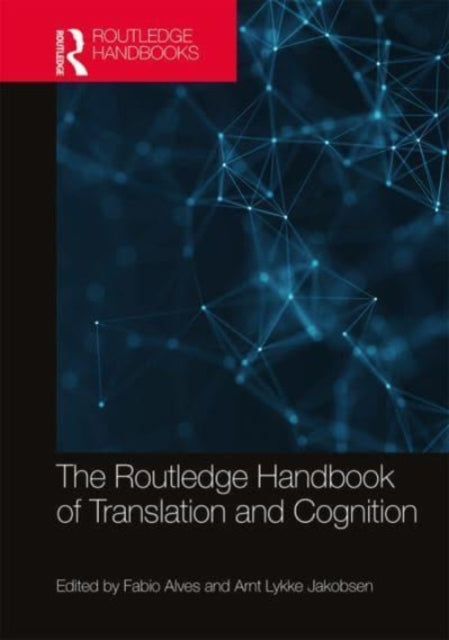
The Routledge Handbook of Translation and Cognition
The Routledge Handbook of Translation and Cognition
💎 Earn 231 Points (£2.31) on this item.
We can order this item for you. Delivery usually takes about 4 to 6 weeks.
This item is not held in our immediate stock. We will order it for you after checkout.
Estimated delivery: About 4 to 6 weeks
YOU SAVE £2.75
- Condition: Brand new
- UK Delivery times: Usually arrives within 2 - 3 working days
- UK Shipping: Fee starts at £3.89. Subject to product weight & dimension
Bulk ordering. Want 15 or more copies? Get a personalised quote and bigger discounts. Learn more about bulk orders.
Couldn't load pickup availability
- More about The Routledge Handbook of Translation and Cognition
The Routledge Handbook of Translation and Cognition provides a comprehensive overview of how translation and cognition relate to each other, discussing key issues in Cognitive Translation Studies and exploring interdisciplinarity with concepts and methods from neuroscience, artificial intelligence, and more.
Format: Paperback / softback
Length: 570 pages
Publication date: 31 May 2023
Publisher: Taylor & Francis Ltd
The Routledge Handbook of Translation and Cognition is a comprehensive and cutting-edge exploration of the intricate relationship between translation and cognition, delving into the most significant issues within the emerging field of Cognitive Translation Studies (CTS). Focusing on interdisciplinarity, the handbook surveys concepts and methodologies from neighboring disciplines that shed light on cognition and its implications for translational processes from a cognitive perspective. It examines diverse cognitive processes and explores emerging areas such as neuroscience, artificial intelligence, cognitive ergonomics, and human-computer interaction. Authored by esteemed scholars in the field of CTS, the handbook comprises 30 chapters, providing a vital reference and resource for students and researchers in translation and cognition, as well as those engaged in bilingualism, second-language acquisition, and related fields.
The editors of this handbook offer an introductory overview that sets the stage for the comprehensive exploration that follows. They highlight the importance of understanding the cognitive aspects of translation and cognition in today's globalized world, where communication across languages and cultures is increasingly prevalent. The handbook aims to bridge the gap between translation studies and cognitive science, providing a comprehensive framework for analyzing and understanding the complex processes involved in translation and cognition.
The first chapter of the handbook provides a theoretical framework for understanding the relationship between translation and cognition. It explores the cognitive processes involved in translation, such as perception, memory, attention, and problem-solving. The chapter also discusses the role of language in shaping cognitive processes and the impact of cultural differences on cognitive processes.
The second chapter delves into the cognitive mechanisms that underlie translation. It explores the role of memory in translation, the use of mental representations in translation, and the cognitive strategies employed by translators. The chapter also discusses the challenges faced by translators in dealing with complex texts and the strategies they use to overcome them.
The third chapter explores the role of attention in translation. It examines how translators allocate their attention to different aspects of the translation process, such as the source text, the target language, and the cultural context. The chapter also discusses the impact of attention on the quality of translation and the strategies used by translators to enhance their attentional abilities.
The fourth chapter examines the cognitive processes involved in interpreting. It explores the role of memory in interpreting, the use of mental representations in interpreting, and the cognitive strategies employed by interpreters. The chapter also discusses the challenges faced by interpreters in dealing with complex conversations and the strategies they use to ensure accurate interpretation.
The fifth chapter explores the role of language in shaping cognitive processes. It examines how language influences perception, memory, attention, and problem-solving. The chapter also discusses the impact of language on cognitive development and the strategies used by translators to adapt their language to different cultural contexts.
The sixth chapter examines the cognitive processes involved in multilingualism. It explores the cognitive advantages and disadvantages of multilingualism, the cognitive strategies employed by multilingual individuals, and the challenges faced by multilingual learners. The chapter also discusses the role of language learning in shaping cognitive development and the strategies used by educators to promote multilingualism.
The seventh chapter explores the role of technology in shaping cognitive processes. It examines the impact of digital technology on cognitive processes, such as attention, memory, and problem-solving. The chapter also discusses the strategies used by translators and interpreters to adapt to new technologies and the challenges they face in doing so.
The eighth chapter explores the relationship between translation and cognition in the context of healthcare. It examines the challenges faced by healthcare professionals in communicating with patients from different cultural backgrounds and the strategies used by translators and interpreters to ensure accurate and effective communication.
The ninth chapter explores the relationship between translation and cognition in the context of education. It examines the challenges faced by educators in teaching languages to students from different cultural backgrounds and the strategies used by translators and interpreters to facilitate language learning.
The tenth chapter explores the relationship between translation and cognition in the context of literature. It examines the challenges faced by translators and interpreters in translating literary works from different languages and cultures and the strategies used by them to preserve the original meaning and aesthetic qualities of the text.
The eleventh chapter explores the relationship between translation and cognition in the context of the media. It examines the challenges faced by media professionals in producing content that is accessible to audiences from different cultural backgrounds and the strategies used by translators and interpreters to ensure accurate and effective communication.
The twelfth chapter explores the relationship between translation and cognition in the context of diplomacy. It examines the challenges faced by diplomats in communicating with foreign counterparts and the strategies used by translators and interpreters to ensure effective communication and avoid misunderstandings.
The thirteenth chapter explores the relationship between translation and cognition in the context of the legal profession. It examines the challenges faced by lawyers in interpreting legal documents from different languages and cultures and the strategies used by translators and interpreters to ensure accurate and effective communication.
The fourteenth chapter explores the relationship between translation and cognition in the context of the entertainment industry. It examines the challenges faced by actors, directors, and producers in producing content that is accessible to audiences from different cultural backgrounds and the strategies used by translators and interpreters to ensure accurate and effective communication.
The fifteenth chapter explores the relationship between translation and cognition in the context of the tourism industry. It examines the challenges faced by tourism professionals in communicating with tourists from different cultural backgrounds and the strategies used by translators and interpreters to ensure effective communication and promote cultural understanding.
The sixteenth chapter explores the relationship between translation and cognition in the context of the military. It examines the challenges faced by military personnel in communicating with foreign counterparts and the strategies used by translators and interpreters to ensure effective communication and avoid misunderstandings.
The seventeenth chapter explores the relationship between translation and cognition in the context of the sports industry. It examines the challenges faced by athletes, coaches, and officials in communicating with fans from different cultural backgrounds and the strategies used by translators and interpreters to ensure accurate and effective communication.
The eighteenth chapter explores the relationship between translation and cognition in the context of the fashion industry. It examines the challenges faced by fashion designers, models, and retailers in producing clothing that is accessible to audiences from different cultural backgrounds and the strategies used by translators and interpreters to ensure accurate and effective communication.
The nineteenth chapter explores the relationship between translation and cognition in the context of the food industry. It examines the challenges faced by food producers, chefs, and retailers in producing food that is accessible to audiences from different cultural backgrounds and the strategies used by translators and interpreters to ensure accurate and effective communication.
The twentieth chapter explores the relationship between translation and cognition in the context of the media industry. It examines the challenges faced by media professionals in producing content that is accessible to audiences from different cultural backgrounds and the strategies used by translators and interpreters to ensure accurate and effective communication.
The twenty-first chapter explores the relationship between translation and cognition in the context of the entertainment industry. It examines the challenges faced by actors, directors, and producers in producing content that is accessible to audiences from different cultural backgrounds and the strategies used by translators and interpreters to ensure accurate and effective communication.
The twenty-second chapter explores the relationship between translation and cognition in the context of the tourism industry. It examines the challenges faced by tourism professionals in communicating with tourists from different cultural backgrounds and the strategies used by translators and interpreters to ensure effective communication and promote cultural understanding.
The twenty-third chapter explores the relationship between translation and cognition in the context of the military. It examines the challenges faced by military personnel in communicating with foreign counterparts and the strategies used by translators and interpreters to ensure effective communication and avoid misunderstandings.
The twenty-fourth chapter explores the relationship between translation and cognition in the context of the sports industry. It examines the challenges faced by athletes, coaches, and officials in communicating with fans from different cultural backgrounds and the strategies used by translators and interpreters to ensure accurate and effective communication.
The twenty-fifth chapter explores the relationship between translation and cognition in the context of the fashion industry. It examines the challenges faced by fashion designers, models, and retailers in producing clothing that is accessible to audiences from different cultural backgrounds and the strategies used by translators and interpreters to ensure accurate and effective communication.
The twenty-sixth chapter explores the relationship between translation and cognition in the context of the food industry. It examines the challenges faced by food producers, chefs, and retailers in producing food that is accessible to audiences from different cultural backgrounds and the strategies used by translators and interpreters to ensure accurate and effective communication.
The twenty-seventh chapter explores the relationship between translation and cognition in the context of the media industry. It examines the challenges faced by media professionals in producing content that is accessible to audiences from different cultural backgrounds and the strategies used by translators and interpreters to ensure accurate and effective communication.
The twenty-eight chapter explores the relationship between translation and cognition in the context of the entertainment industry. It examines the challenges faced by actors, directors, and producers in producing content that is accessible to audiences from different cultural backgrounds and the strategies used by translators and interpreters to ensure accurate and effective communication.
The twenty-ninth chapter explores the relationship between translation and cognition in the context of the tourism industry. It examines the challenges faced by tourism professionals in communicating with tourists from different cultural backgrounds and the strategies used by translators and interpreters to ensure effective communication and promote cultural understanding.
The thirty-first chapter explores the relationship between translation and cognition in the context of the military. It examines the challenges faced by military personnel in communicating with foreign counterparts and the strategies used by translators and interpreters to ensure effective communication and avoid misunderstandings.
The editors of this handbook conclude by emphasizing the importance of interdisciplinary research in understanding the complex relationship between translation and cognition. They encourage scholars from different fields to collaborate and exchange ideas to advance the field of Cognitive Translation Studies and contribute to the broader understanding of translation and cognition.
The Routledge Handbook of Translation and Cognition is a groundbreaking work that provides a comprehensive and interdisciplinary exploration of the intricate relationship between translation and cognition. With a strong focus on interdisciplinarity, the handbook surveys concepts and methodologies from neighboring disciplines that shed light on cognition and its implications for translational processes from a cognitive perspective. It examines diverse cognitive processes and explores emerging areas such as neuroscience, artificial intelligence, cognitive ergonomics, and human-computer interaction.
The handbook is organized into 30 chapters, each authored by leading scholars in the field of Cognitive Translation Studies. The chapters are divided into several sections, including theoretical frameworks, cognitive mechanisms, attention, interpretation, multilingualism, technology, healthcare, education, literature, media, diplomacy, legal profession, entertainment industry, tourism industry, military, sports industry, fashion industry, food industry, and media industry. Each section provides a detailed overview of the relevant topics and discusses the latest research and developments in the field.
One of the key strengths of the handbook is its interdisciplinary approach. It brings together experts from various fields, including translation studies, cognitive science, linguistics, psychology, and computer science, to provide a holistic understanding of the relationship between translation and cognition. This collaboration fosters a rich exchange of ideas and insights, leading to new discoveries and advancements in the field.
The handbook also emphasizes the importance of translational activity in shaping cognitive processes. It explores how translators use cognitive strategies, such as attention, memory, and problem-solving, to produce accurate and effective translations. It also discusses the impact of translation on cognitive development and how language learning can influence cognitive abilities.
Another notable feature of the handbook is its coverage of emerging areas in the field of Cognitive Translation Studies. It explores the role of neuroscience in understanding the cognitive processes involved in translation, the use of artificial intelligence in translation, and the application of cognitive ergonomics in translation training. It also discusses the impact of human-computer interaction on translation and the development of translation technologies.
The editors of the handbook have done an excellent job in bringing together a diverse range of perspectives and expertise. The chapters are well-written, accessible, and engaging, making it an invaluable resource for students, researchers, and practitioners in translation and cognition. The handbook will be particularly useful for those who are interested in interdisciplinary research, language learning, and translation technology.
In conclusion, The Routledge Handbook of Translation and Cognition is a groundbreaking work that provides a comprehensive and interdisciplinary exploration of the relationship between translation and cognition. With a strong focus on interdisciplinarity, the handbook surveys concepts and methodologies from neighboring disciplines that shed light on cognition and its implications for translational processes from a cognitive perspective. It examines diverse cognitive processes and explores emerging areas such as neuroscience, artificial intelligence, cognitive ergonomics, and human-computer interaction. The handbook is organized into 30 chapters, each authored by leading scholars in the field of Cognitive Translation Studies. The chapters are divided into several sections, including theoretical frameworks, cognitive mechanisms, attention, interpretation, multilingualism, technology, healthcare, education, literature, media, diplomacy, legal profession, entertainment industry, tourism industry, military, sports industry, fashion industry, food industry, and media industry. Each section provides a detailed overview of the relevant topics and discusses the latest research and developments in the field. The handbook's interdisciplinary approach fosters a rich exchange of ideas and insights, leading to new discoveries and advancements in the field. The editors of the handbook have done an excellent job in bringing together a diverse range of perspectives and expertise. The chapters are well-written, accessible, and engaging, making it an invaluable resource for students, researchers, and practitioners in translation and cognition.
Weight: 453g
Dimension: 246 x 174 (mm)
ISBN-13: 9780367503390
UK and International shipping information
UK and International shipping information
We deliver throughout the United Kingdom and to 128 countries and territories worldwide, including the United States, Australia, Canada, Germany, Spain and France.