MarkTurner
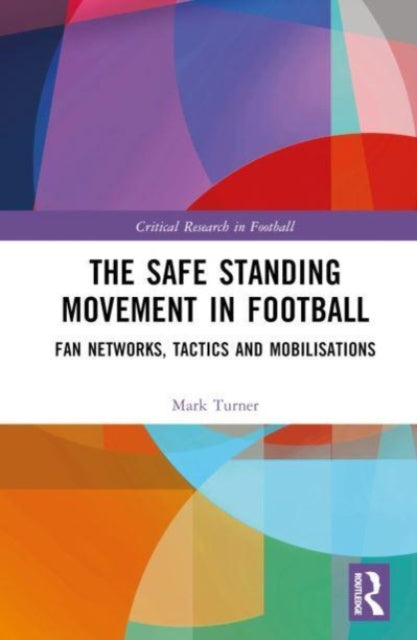
The Safe Standing Movement in Football: Fan Networks, Tactics, and Mobilisations
The Safe Standing Movement in Football: Fan Networks, Tactics, and Mobilisations
💎 Earn 811 Points (£8.11) on this item.
We can order this item for you. Delivery usually takes about 4 to 6 weeks.
This item is not held in our immediate stock. We will order it for you after checkout.
Estimated delivery: About 4 to 6 weeks
YOU SAVE £9.63
- Condition: Brand new
- UK Delivery times: Usually arrives within 2 - 3 working days
- UK Shipping: Fee starts at £2.39. Subject to product weight & dimension
Bulk ordering. Want 15 or more copies? Get a personalised quote and bigger discounts. Learn more about bulk orders.
Couldn't load pickup availability
- More about The Safe Standing Movement in Football: Fan Networks, Tactics, and Mobilisations
The book "Safe Standing: The Rise of Fan Activism and Social Change in Football" is the first to examine the safe standing movement in football, providing a case study of fan activism and social change. It draws on historical and sociological perspectives and includes material on the impact of the movement in Europe.
Format: Hardback
Length: 200 pages
Publication date: 08 September 2023
Publisher: Taylor & Francis Ltd
The Safe Standing Movement in Football: A Comprehensive Examination
The Safe Standing Movement in Football has emerged as a significant case study in the realm of fan activism and social change, offering valuable insights into the dynamics of sports fandom and the broader societal implications of fan engagement. This book is the first to delve into the intricacies of the safe standing movement, providing a comprehensive examination of its historical, sociological, and cultural dimensions.
Drawing upon a rich tapestry of historical and sociological perspectives, the book explores the origins and evolution of the safe standing movement in football. It examines the historical context, including the rise of mass spectator sports, the development of stadium architecture, and the changing attitudes towards fan safety and comfort. The sociological dimension of the movement is also explored, examining the role of fans, clubs, and regulatory bodies in shaping the safe standing movement.
The impact of the safe standing movement in Europe is a central focus of the book. It examines the various initiatives and policies implemented in different countries to promote safe standing, including the introduction of rail seating, the use of standing areas, and the development of safe standing zones. The book also assesses the successes and challenges faced by these initiatives, highlighting the potential benefits and risks associated with safe standing.
In addition to its examination of the safe standing movement, the book also explores the broader implications of fan activism and social change in the context of football. It examines the role of fans as agents of change, the power of collective action, and the potential for sports to promote social justice and equality. The book also considers the challenges and risks associated with fan activism, including the potential for conflict and violence, and the need for effective governance and regulation.
Overall, The Safe Standing Movement in Football is a groundbreaking work that provides a comprehensive and insightful examination of the safe standing movement in football. It is an essential read for fans, scholars, policymakers, and anyone interested in the dynamics of sports fandom and the broader social implications of fan engagement.
Introduction:
The Safe Standing Movement in Football has emerged as a significant case study in the realm of fan activism and social change, offering valuable insights into the dynamics of sports fandom and the broader societal implications of fan engagement. This book is the first to delve into the intricacies of the safe standing movement, providing a comprehensive examination of its historical, sociological, and cultural dimensions.
Historical Context:
The Safe Standing Movement in Football has its roots in the historical context of the rise of mass spectator sports and the development of stadium architecture. The advent of television and the increasing popularity of football in the 1960s and 1970s led to the construction of larger and more modern stadiums, which were designed to accommodate large crowds of fans. However, the traditional seating arrangements in these stadiums often posed safety risks, particularly in the event of crowd surges or incidents of violence.
In response to these safety concerns, fans began to advocate for the introduction of safe standing areas in football stadiums. The first known instance of safe standing in football can be traced back to the 1980s, when fans at West Ham United in the United Kingdom began to stand in designated areas during matches. These areas were initially designated as standing zones, which were separated from the seating areas by barriers or partitions. However, as the movement gained momentum, fans began to push for the introduction of fully safe standing areas, which would allow fans to stand throughout the match without the need for barriers or partitions.
Sociological Dimension:
The sociological dimension of the safe standing movement is a central focus of this book. It examines the role of fans, clubs, and regulatory bodies in shaping the safe standing movement. The book explores the various factors that have contributed to the growth of the safe standing movement, including the changing attitudes towards fan safety and comfort, the power of collective action, and the broader social and cultural implications of fan engagement.
One of the key factors that have contributed to the growth of the safe standing movement is the changing attitudes towards fan safety and comfort. In the past, fans were often subjected to uncomfortable and unsafe seating arrangements, which could lead to injuries and fatalities in the event of crowd surges or incidents of violence. However, with the increasing awareness of fan safety issues and the growing demand for more comfortable and safe seating options, fans have become more vocal in their advocacy for safe standing.
The power of collective action is another important factor that has contributed to the growth of the safe standing movement. Fans have organized themselves into groups and organizations to advocate for safe standing, and have used social media and other forms of communication to raise awareness and mobilize support. This has allowed the movement to gain momentum and attract the attention of clubs, regulatory bodies, and policymakers.
The broader social and cultural implications of fan engagement are also explored in this book. Football has long been a powerful tool for promoting social justice and equality, and the safe standing movement has the potential to further these goals. By allowing fans to stand throughout the match, the safe standing movement can create a more inclusive and engaging fan experience, which can help to promote a sense of community and belonging among fans.
However, the safe standing movement also presents challenges and risks. One of the primary concerns is the potential for conflict and violence. In the past, football matches have been marred by incidents of crowd violence, and the introduction of safe standing areas could exacerbate these risks. There is also a risk that safe standing areas could be used by fans to engage in antisocial behavior or to disrupt the match, which could undermine the integrity of the sport and damage its reputation.
To address these challenges and risks, it is important for clubs, regulatory bodies, and policymakers to work together to develop effective policies and regulations for safe standing. This may include the introduction of designated safe standing areas, the use of technology to monitor crowd behavior, and the provision of training and education for fans and staff to promote safe and responsible fan behavior.
Impact of the Safe Standing Movement in Europe:
The impact of the safe standing movement in Europe is a central focus of this book. It examines the various initiatives and policies implemented in different countries to promote safe standing, including the introduction of rail seating, the use of standing areas, and the development of safe standing zones. The book also assesses the successes and challenges faced by these initiatives, highlighting the potential benefits and risks associated with safe standing.
One of the most successful initiatives to promote safe standing in Europe has been the introduction of rail seating. Rail seating is a system of seating that allows fans to stand while still being securely attached to the stadium floor. This system has been implemented in a number of European countries, including Germany, Italy, and Spain, and has been shown to reduce the risk of crowd surges and incidents of violence.
Another successful initiative to promote safe standing in Europe has been the use of standing areas. Standing areas are designated areas in the stadium where fans can stand during matches. These areas are typically located at the front of the stadium, where fans can enjoy a better view of the match and have a more engaging fan experience. However, it is important to note that standing areas must be properly designed and managed to ensure that fans are safe and comfortable.
Safe standing zones are another initiative that has been implemented in Europe to promote safe standing. Safe standing zones are designated areas in the stadium where fans can stand while still being protected from the risk of crowd surges and incidents of violence. These zones are typically located at the back of the stadium, where fans can enjoy a more relaxed and comfortable fan experience. However, it is important to note that safe standing zones must be properly designed and managed to ensure that fans are safe and comfortable.
Despite the successes of these initiatives, the safe standing movement in Europe has also faced challenges and risks. One of the primary concerns is the potential for conflict and violence. In the past, football matches have been marred by incidents of crowd violence, and the introduction of safe standing areas could exacerbate these risks. There is also a risk that safe standing areas could be used by fans to engage in antisocial behavior or to disrupt the match, which could undermine the integrity of the sport and damage its reputation.
To address these challenges and risks, it is important for clubs, regulatory bodies, and policymakers to work together to develop effective policies and regulations for safe standing. This may include the introduction of designated safe standing areas, the use of technology to monitor crowd behavior, and the provision of training and education for fans and staff to promote safe and responsible fan behavior.
Conclusion:
In conclusion, The Safe Standing Movement in Football has emerged as a significant case study in the realm of fan activism and social change, offering valuable insights into the dynamics of sports fandom and the broader societal implications of fan engagement. This book is the first to delve into the intricacies of the safe standing movement, providing a comprehensive examination of its historical, sociological, and cultural dimensions.
Drawing upon a rich tapestry of historical and sociological perspectives, the book explores the origins and evolution of the safe standing movement in football. It examines the historical context, including the rise of mass spectator sports, the development of stadium architecture, and the changing attitudes towards fan safety and comfort. The sociological dimension of the movement is also explored, examining the role of fans, clubs, and regulatory bodies in shaping the safe standing movement.
The impact of the safe standing movement in Europe is a central focus of the book. It examines the various initiatives and policies implemented in different countries to promote safe standing, including the introduction of rail seating, the use of standing areas, and the development of safe standing zones. The book also assesses the successes and challenges faced by these initiatives, highlighting the potential benefits and risks associated with safe standing.
In addition to its examination of the safe standing movement, the book also explores the broader implications of fan activism and social change in the context of football. It examines the role of fans as agents of change, the power of collective action, and the potential for sports to promote social justice and equality. The book also considers the challenges and risks associated with fan activism, including the potential for conflict and violence, and the need for effective governance and regulation.
Overall, The Safe Standing Movement in Football is a groundbreaking work that provides a comprehensive and insightful examination of the safe standing movement in football. It is an essential read for fans, scholars, policymakers, and anyone interested in the dynamics of sports fandom and the broader social implications of fan engagement.
Weight: 550g
Dimension: 234 x 156 (mm)
ISBN-13: 9781032313214
UK and International shipping information
UK and International shipping information
UK Delivery and returns information:
- Delivery within 2 - 3 days when ordering in the UK.
- Shipping fee for UK customers from £2.39. Fully tracked shipping service available.
- Returns policy: Return within 30 days of receipt for full refund.
International deliveries:
Shulph Ink now ships to Australia, Belgium, Canada, France, Germany, Ireland, Italy, India, Luxembourg Saudi Arabia, Singapore, Spain, Netherlands, New Zealand, United Arab Emirates, United States of America.
- Delivery times: within 5 - 10 days for international orders.
- Shipping fee: charges vary for overseas orders. Only tracked services are available for most international orders. Some countries have untracked shipping options.
- Customs charges: If ordering to addresses outside the United Kingdom, you may or may not incur additional customs and duties fees during local delivery.