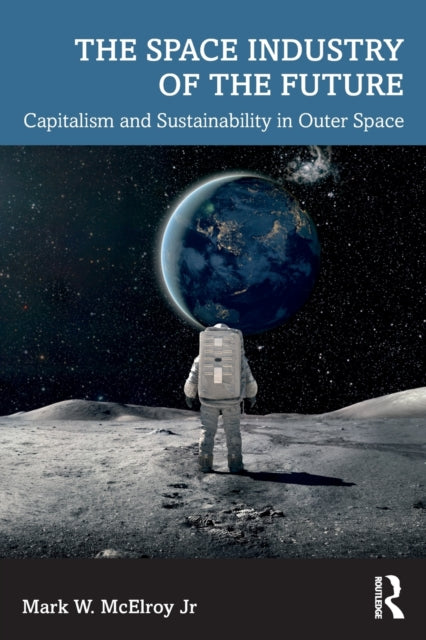
Mark W. McElroy Jr
The Space Industry of the Future: Capitalism and Sustainability in Outer Space
The Space Industry of the Future: Capitalism and Sustainability in Outer Space
💎 Earn 297 Points (£2.97) on this item.
We can order this item for you. Delivery usually takes about 4 to 6 weeks.
This item is not held in our immediate stock. We will order it for you after checkout.
Estimated delivery: About 4 to 6 weeks
YOU SAVE £3.53
- Condition: Brand new
- UK Delivery times: Usually arrives within 2 - 3 working days
- UK Shipping: Fee starts at £3.89. Subject to product weight & dimension
Bulk ordering. Want 15 or more copies? Get a personalised quote and bigger discounts. Learn more about bulk orders.
Couldn't load pickup availability
- More about The Space Industry of the Future: Capitalism and Sustainability in Outer Space
This book provides an introduction to the principles of capitalism and how they can be applied to the space industry to maximize the creation of value for humanity. It offers pragmatic criteria for readers to use in assessing the value of initiatives and business decisions in the space industry, and highlights how space systems can help address some of the world's greatest problems, with a focus on sustainability. The book is designed to be accessible to readers from all backgrounds, whether technical, business, or policy.
Format: Paperback / softback
Length: 192 pages
Publication date: 19 September 2022
Publisher: Taylor & Francis Ltd
Capitalism is a economic system based on the private ownership and operation of the means of production for profit. It is characterized by competition, free market exchange, and individual liberty. Capitalism has been the dominant economic system in the world for centuries, and it is still widely used today.
In the space industry, capitalism can be used to maximize the creation of value for humanity. This can be achieved by developing new technologies and services that improve the lives of people on Earth and in space. For example, space-based communications and navigation systems can help to connect people and businesses around the world, and space-based observatories can provide valuable data for scientific research and development.
However, the use of capitalism in the space industry also raises several ethical and social concerns. For example, there are concerns about the privatization of space and the potential for it to exacerbate existing inequalities. There are also concerns about the environmental impact of space activities, such as the generation of waste and the use of resources.
To address these concerns, it is important to develop pragmatic criteria for readers to use in assessing the value to humanity of initiatives and business decisions in the space industry. These criteria should consider the social and environmental impact of space activities, as well as the potential for them to contribute to the long-term sustainability of humanity and the planet.
One of the greatest problems facing humanity today is climate change. Space systems can help to address this problem by providing data and monitoring tools that can help to track and mitigate the impact of climate change. For example, space-based sensors can monitor the Earth's climate and provide data that can help to predict and respond to climate events such as droughts, floods, and hurricanes.
Another great problem facing humanity is poverty. Space systems can help to address this problem by providing access to education, healthcare, and other essential services. For example, space-based telecommunications systems can provide access to remote communities and help to promote economic development.
In addition to addressing these great problems, space systems can also support the sustainability of humanity and the planet. For example, space-based solar power systems can provide a clean and renewable source of energy for the Earth, and space-based recycling systems can help to reduce the amount of waste that is generated on Earth.
Overall, capitalism can be a powerful tool for maximizing the creation of value for humanity in the space industry. However, it is important to use this tool responsibly and to consider the social and environmental impact of space activities. By developing pragmatic criteria for assessing the value to humanity of initiatives and business decisions in the space industry, we can ensure that space systems are used to benefit humanity and the planet.
Capitalism is a economic system based on the private ownership and operation of the means of production for profit. It is characterized by competition, free market exchange, and individual liberty. Capitalism has been the dominant economic system in the world for centuries, and it is still widely used today.
In the space industry, capitalism can be used to maximize the creation of value for humanity. This can be achieved by developing new technologies and services that improve the lives of people on Earth and in space. For example, space-based communications and navigation systems can help to connect people and businesses around the world, and space-based observatories can provide valuable data for scientific research and development.
However, the use of capitalism in the space industry also raises several ethical and social concerns. For example, there are concerns about the privatization of space and the potential for it to exacerbate existing inequalities. There are also concerns about the environmental impact of space activities, such as the generation of waste and the use of resources.
To address these concerns, it is important to develop pragmatic criteria for readers to use in assessing the value to humanity of initiatives and business decisions in the space industry. These criteria should consider the social and environmental impact of space activities, as well as the potential for them to contribute to the long-term sustainability of humanity and the planet.
One of the greatest problems facing humanity today is climate change. Space systems can help to address this problem by providing data and monitoring tools that can help to track and mitigate the impact of climate change. For example, space-based sensors can monitor the Earth's climate and provide data that can help to predict and respond to climate events such as droughts, floods, and hurricanes.
Another great problem facing humanity is poverty. Space systems can help to address this problem by providing access to education, healthcare, and other essential services. For example, space-based telecommunications systems can provide access to remote communities and help to promote economic development.
In addition to addressing these great problems, space systems can also support the sustainability of humanity and the planet. For example, space-based solar power systems can provide a clean and renewable source of energy for the Earth, and space-based recycling systems can help to reduce the amount of waste that is generated on Earth.
Overall, capitalism can be a powerful tool for maximizing the creation of value for humanity in the space industry. However, it is important to use this tool responsibly and to consider the social and environmental impact of space activities. By developing pragmatic criteria for assessing the value to humanity of initiatives and business decisions in the space industry, we can ensure that space systems are used to benefit humanity and the planet.
Weight: 326g
Dimension: 156 x 233 x 15 (mm)
ISBN-13: 9781032215082
UK and International shipping information
UK and International shipping information
We deliver throughout the United Kingdom and to 128 countries and territories worldwide, including the United States, Australia, Canada, Germany, Spain and France.