NiritWeiss-Blatt
The Techlash and Tech Crisis Communication
The Techlash and Tech Crisis Communication
💎 Earn 99 Points (£0.99) on this item.
YOU SAVE £1.01
- Condition: Brand new
- UK Delivery times: Usually arrives within 2 - 3 working days
- UK Shipping: Fee starts at £2.39. Subject to product weight & dimension
Bulk ordering. Want 15 or more copies? Get a personalised quote and bigger discounts. Learn more about bulk orders.
Couldn't load pickup availability
- More about The Techlash and Tech Crisis Communication
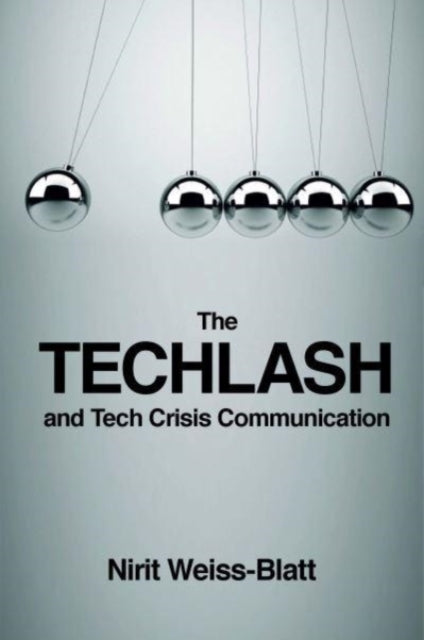
The tech industry has gone through a shift, from being cheerleaders to facing criticism over its negative impact on society. This shift is characterized by pendulum swings between tech-utopianism and tech-dystopianism, and the media coverage has shifted to focus on corporate misdeeds. Tech companies have responded by attempting to reduce their responsibility and defending themselves from scrutiny. The Techlash and Tech Crisis Communication provides an in-depth analysis of this evolution, examining the roots and characteristics of the Techlash and its implications for both tech enthusiasts and critics.
Format: Paperback / softback
Length: 208 pages
Publication date: 24 March 2022
Publisher: Emerald Publishing Limited
Over the years, tech companies have grown accustomed to the enthusiastic coverage of their product launches by the tech press. However, in recent years, a significant shift has occurred. The once-honeymoon period between tech companies and the tech press has come to an end, giving way to a new era of mounting criticism that focuses on the negative impact of technology on society. This emerging tech backlash represents a fascinating tale of oscillating between tech-utopianism and tech-dystopianism.
The question of when and why media coverage shifted to corporate misdeeds and how tech companies responded to this shift is central to understanding the current state of tech journalism. In this essay, we will explore these topics in depth, providing an in-depth analysis of the evolution of tech journalism and the Techlash.
The Techlash refers to the growing criticism and backlash against technology companies, particularly the Big Tech giants such as Google, Facebook, and Amazon. This backlash has been fueled by a range of factors, including concerns about privacy, data security, and the impact of technology on jobs and the economy.
One of the key factors that contributed to the shift in media coverage was the rise of employee activism within tech companies. In the early 2010s, workers at companies like Google and Facebook began to speak out against their employers' practices, including issues such as sexual harassment, discrimination, and the use of surveillance technology. These protests led to increased scrutiny of the tech industry and a growing sense of public mistrust.
Another factor that contributed to the Techlash was the growing political pushback against Big Tech. In recent years, lawmakers and regulators around the world have begun to take a more critical stance towards the tech giants, accusing them of monopolistic practices, censorship, and the spread of misinformation. This political pressure has led to increased scrutiny of the tech industry and a growing sense of public concern.
In response to the Techlash, tech companies have attempted to defend themselves from scrutiny by reducing their responsibility. One strategy has been to shift the blame onto other actors, such as government regulations or third-party platforms. For example, tech companies have argued that they are not responsible for the content that users post on their platforms, claiming that it is up to the users to moderate their own content.
Another strategy has been to promote the positive impact of technology, highlighting the ways in which it has improved our lives and contributed to economic growth. Tech companies have also invested heavily in lobbying and public relations efforts to improve their image and build relationships with policymakers and the public.
Despite these efforts, the Techlash has continued to grow, with tech journalists and critics increasingly questioning the practices of tech companies. One of the key concerns is the impact of technology on privacy and data security. With the rise of data-driven marketing and advertising, tech companies have access to vast amounts of personal information, which they use to target consumers and sell products. However, this information can also be used for surveillance and other nefarious purposes, leading to concerns about privacy and the potential for abuse.
Another concern is the impact of technology on jobs and the economy. While technology has created new job opportunities in areas such as software development and data analysis, it has also led to job losses in traditional industries such as manufacturing and retail. This has led to concerns about inequality and the potential for a widening wealth gap.
In conclusion, the Techlash and Tech Crisis Communication provides an in-depth analysis of the evolution of tech journalism and the Techlash. It reveals the "inside story" of the Techlash and shows how Big Tech companies defend themselves from scrutiny by attempting to reduce their responsibility. From employee activism to political pushback, the ramifications of the Techlash are growing, and it is clear that the relationship between tech journalism and tech PR is an important area to explore.
Insightful observations by tech journalists and tech PR professionals are added to the research data, illuminating the profound changes in the power dynamics between the media and the tech giants they cover. Nirit Weiss-Blatt explores theoretical and practical implications for both tech enthusiasts and critics, providing valuable insights into the future of tech journalism and the tech industry.
Weight: 318g
Dimension: 153 x 228 x 15 (mm)
ISBN-13: 9781800430884
This item can be found in:
UK and International shipping information
UK and International shipping information
UK Delivery and returns information:
- Delivery within 2 - 3 days when ordering in the UK.
- Shipping fee for UK customers from £2.39. Fully tracked shipping service available.
- Returns policy: Return within 30 days of receipt for full refund.
International deliveries:
Shulph Ink now ships to Australia, Belgium, Canada, France, Germany, Ireland, Italy, India, Luxembourg Saudi Arabia, Singapore, Spain, Netherlands, New Zealand, United Arab Emirates, United States of America.
- Delivery times: within 5 - 10 days for international orders.
- Shipping fee: charges vary for overseas orders. Only tracked services are available for most international orders. Some countries have untracked shipping options.
- Customs charges: If ordering to addresses outside the United Kingdom, you may or may not incur additional customs and duties fees during local delivery.