Professor Laura Saetveit Miles
The Virgin Mary's Book at the Annunciation: Reading, Interpretation, and Devotion in Medieval England
The Virgin Mary's Book at the Annunciation: Reading, Interpretation, and Devotion in Medieval England
💎 Earn 145 Points (£1.45) on this item.
- Condition: Brand new
- UK Delivery times: Usually arrives within 2 - 3 working days
- UK Shipping: Fee starts at £2.39. Subject to product weight & dimension
Bulk ordering. Want 15 or more copies? Get a personalised quote and bigger discounts. Learn more about bulk orders.
Couldn't load pickup availability
- More about The Virgin Mary's Book at the Annunciation: Reading, Interpretation, and Devotion in Medieval England
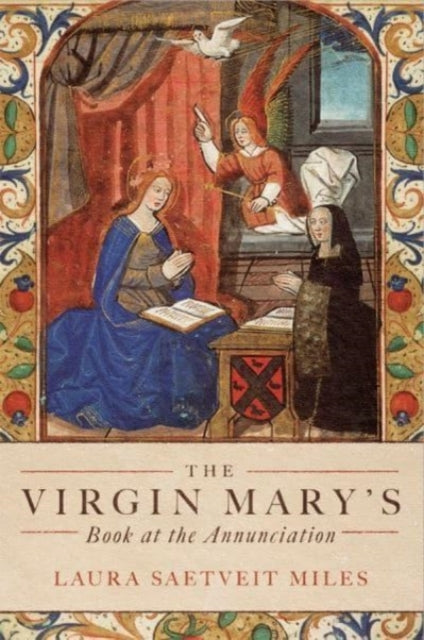
Mary's book is an overlooked aspect of the Annunciation iconography, and this study explores its history from the early Middle Ages to the Reformation. It argues that Mary provided a sophisticated model of reading and interpretation that was foundational to devotional practices for all spectrums of society in medieval England, especially for enclosed female readers. The Annunciation offered a hermeneutic model of conception based on the reproductive female body, which was otherwise problematic in medieval culture.
Format: Paperback / softback
Length: 318 pages
Publication date: 03 May 2022
Publisher: Boydell & Brewer Ltd
Winner of the 2021 Frank S. and Elizabeth D. Brewer Prize of the American Society of Church History
Winner of the 2022 SMFS Best First Book in Medieval Feminist Studies Award
An overlooked aspect of the iconography of the Annunciation investigated - Mary's book.
The Annunciation remains one of the most recognizable scenes in western Christianity: the angel Gabriel addressing the Virgin Mary, capturing the moment when Christ becomes incarnate. But one consistent detail has evaded our scrutiny - Mary's book. What was she reading? What does her book mean?
This innovative study traces the history of Mary's book at the Annunciation from the early Middle Ages through to the Reformation, focusing on a wide variety of religious treatises, visionary accounts, and art. It argues that the Virgin provided a sophisticated model of reading and interpretation that was foundational to devotional practices across all spectrums of society in medieval England, and especially for enclosed female readers. By imitating the Virgin, readers learned how to read; they learned how to pray; they learned how to channel God through vision and revelation. Most of all, they learned how to conceive God spiritually, just as Mary had conceived him physically, and just as she had conceived intellectually her reading of the Old Testament prophecies foretelling the Incarnation - that she herself was part of their fulfillment.
The Annunciation offered a hermeneutic model of conception radically based on the reproductive female body, otherwise deeply problematic in medieval culture.
Scholars have long studied the importance of the Virgin Mary for medieval people. But few would think of her as an intellectual role model. Yet that is what this book contends - that Mary's reading at the Annunciation is, essentially.
The Annunciation remains one of the most recognizable scenes in western Christianity: the angel Gabriel addressing the Virgin Mary, capturing the moment when Christ becomes incarnate. But one consistent detail has evaded our scrutiny - Mary's book. What was she reading? What does her book mean?
This innovative study traces the history of Mary's book at the Annunciation from the early Middle Ages through to the Reformation, focusing on a wide variety of religious treatises, visionary accounts, and art. It argues that the Virgin provided a sophisticated model of reading and interpretation that was foundational to devotional practices across all spectrums of society in medieval England, and especially for enclosed female readers. By imitating the Virgin, readers learned how to read; they learned how to pray; they learned how to channel God through vision and revelation. Most of all, they learned how to conceive God spiritually, just as Mary had conceived him physically, and just as she had conceived intellectually her reading of the Old Testament prophecies foretelling the Incarnation - that she herself was part of their fulfillment.
The Annunciation offered a hermeneutic model of conception radically based on the reproductive female body, otherwise deeply problematic in medieval culture.
Scholars have long studied the importance of the Virgin Mary for medieval people. But few would think of her as an intellectual role model. Yet that is what this book contends - that Mary's reading at the Annunciation is, essentially.
The Annunciation remains one of the most recognizable scenes in western Christianity: the angel Gabriel addressing the Virgin Mary, capturing the moment when Christ becomes incarnate. But one consistent detail has evaded our scrutiny - Mary's book. What was she reading? What does her book mean?
This innovative study traces the history of Mary's book at the Annunciation from the early Middle Ages through to the Reformation, focusing on a wide variety of religious treatises, visionary accounts, and art. It argues that the Virgin provided a sophisticated model of reading and interpretation that was foundational to devotional practices across all spectrums of society in medieval England, and especially for enclosed female readers. By imitating the Virgin, readers learned how to read; they learned how to pray; they learned how to channel God through vision and revelation. Most of all, they learned how to conceive God spiritually, just as Mary had conceived him physically, and just as she had conceived intellectually her reading of the Old Testament prophecies foretelling the Incarnation - that she herself was part of their fulfillment.
The Annunciation offered a hermeneutic model of conception radically based on the reproductive female body, otherwise deeply problematic in medieval culture.
Scholars have long studied the importance of the Virgin Mary for medieval people. But few would think of her as an intellectual role model. Yet that is what this book contends - that Mary's reading at the Annunciation is, essentially.
The Annunciation remains one of the most recognizable scenes in western Christianity: the angel Gabriel addressing the Virgin Mary, capturing the moment when Christ becomes incarnate. But one consistent detail has evaded our scrutiny - Mary's book. What was she reading? What does her book mean?
This innovative study traces the history of Mary's book at the Annunciation from the early Middle Ages through to the Reformation, focusing on a wide variety of religious treatises, visionary accounts, and art. It argues that the Virgin provided a sophisticated model of reading and interpretation that was foundational to devotional practices across all spectrums of society in medieval England, and especially for enclosed female readers. By imitating the Virgin, readers learned how to read; they learned how to pray; they learned how to channel God through vision and revelation. Most of all, they learned how to conceive God spiritually, just as Mary had conceived him physically, and just as she had conceived intellectually her reading of the Old Testament prophecies foretelling the Incarnation - that she herself was part of their fulfillment.
The Annunciation offered a hermeneutic model of conception radically based on the reproductive female body, otherwise deeply problematic in medieval culture.
Scholars have long studied the importance of the Virgin Mary for medieval people. But few would think of her as an intellectual role model. Yet that is what this book contends - that Mary's reading at the Annunciation is, essentially.
The Annunciation remains one of the most recognizable scenes in western Christianity: the angel Gabriel addressing the Virgin Mary, capturing the moment when Christ becomes incarnate. But one consistent detail has evaded our scrutiny - Mary's book. What was she reading? What does her book mean?
This innovative study traces the history of Mary's book at the Annunciation from the early Middle Ages through to the Reformation, focusing on a wide variety of religious treatises, visionary accounts, and art. It argues that the Virgin provided a sophisticated model of reading and interpretation that was foundational to devotional practices across all spectrums of society in medieval England, and especially for enclosed female readers. By imitating the Virgin, readers learned how to read; they learned how to pray; they learned how to channel God through vision and revelation. Most of all, they learned how to conceive God spiritually, just as Mary had conceived him physically, and just as she had conceived intellectually her reading of the Old Testament prophecies foretelling the Incarnation - that she herself was part of their fulfillment.
The Annunciation offered a hermeneutic model of conception radically based on the reproductive female body, otherwise deeply problematic in medieval culture.
Scholars have long studied the importance of the Virgin Mary for medieval people. But few would think of her as an intellectual role model. Yet that is what this book contends - that Mary's reading at the Annunciation is, essentially.
The Annunciation remains one of the most recognizable scenes in western Christianity: the angel Gabriel addressing the Virgin Mary, capturing the moment when Christ becomes incarnate. But one consistent detail has evaded our scrutiny - Mary's book. What was she reading? What does her book mean?
This innovative study traces the history of Mary's book at the Annunciation from the early Middle Ages through to the Reformation, focusing on a wide variety of religious treatises, visionary accounts, and art. It argues that the Virgin provided a sophisticated model of reading and interpretation that was foundational to devotional practices across all spectrums of society in medieval England, and especially for enclosed female readers. By imitating the Virgin, readers learned how to read; they learned how to pray; they learned how to channel God through vision and revelation. Most of all, they learned how to conceive God spiritually, just as Mary had conceived him physically, and just as she had conceived intellectually her reading of the Old Testament prophecies foretelling the Incarnation - that she herself was part of their fulfillment.
The Annunciation offered a hermeneutic model of conception radically based on the reproductive female body, otherwise deeply problematic in medieval culture.
Scholars have long studied the importance of the Virgin Mary for medieval people. But few would think of her as an intellectual role model. Yet that is what this book contends - that Mary's reading at the Annunciation is, essentially.
The Annunciation remains one of the most recognizable scenes in western Christianity: the angel Gabriel addressing the Virgin Mary, capturing the moment when Christ becomes incarnate. But one consistent detail has evaded our scrutiny - Mary's book. What was she reading? What does her book mean?
This innovative study traces the history of Mary's book at the Annunciation from the early Middle Ages through to the Reformation, focusing on a wide variety of religious treatises, visionary accounts, and art. It argues that the Virgin provided a sophisticated model of reading and interpretation that was foundational to devotional practices across all spectrums of society in medieval England, and especially for enclosed female readers. By imitating the Virgin, readers learned how to read; they learned how to pray; they learned how to channel God through vision and revelation. Most of all, they learned how to conceive God spiritually, just as Mary had conceived him physically, and just as she had conceived intellectually her reading of the Old Testament prophecies foretelling the Incarnation - that she herself was part of their fulfillment.
The Annunciation offered a hermeneutic model of conception radically based on the reproductive female body, otherwise deeply problematic in medieval culture.
Scholars have long studied the importance of the Virgin Mary for medieval people. But few would think of her as an intellectual role model. Yet that is what this book contends - that Mary's reading at the Annunciation is, essentially.
Dimension: 234 x 156 (mm)
ISBN-13: 9781843846284
UK and International shipping information
UK and International shipping information
UK Delivery and returns information:
- Delivery within 2 - 3 days when ordering in the UK.
- Shipping fee for UK customers from £2.39. Fully tracked shipping service available.
- Returns policy: Return within 30 days of receipt for full refund.
International deliveries:
Shulph Ink now ships to Australia, Belgium, Canada, France, Germany, Ireland, Italy, India, Luxembourg Saudi Arabia, Singapore, Spain, Netherlands, New Zealand, United Arab Emirates, United States of America.
- Delivery times: within 5 - 10 days for international orders.
- Shipping fee: charges vary for overseas orders. Only tracked services are available for most international orders. Some countries have untracked shipping options.
- Customs charges: If ordering to addresses outside the United Kingdom, you may or may not incur additional customs and duties fees during local delivery.