Ulbe Bosma
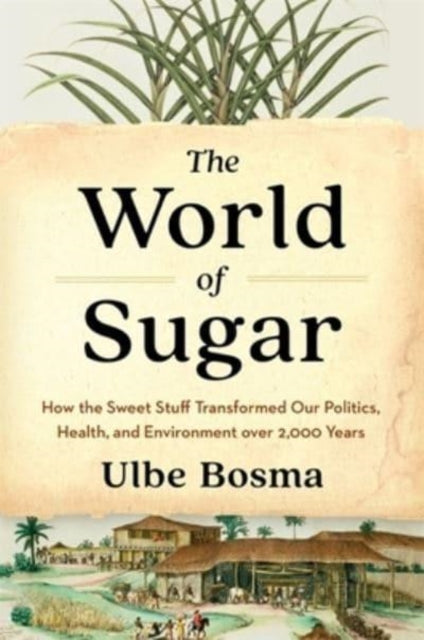
The World of Sugar: How the Sweet Stuff Transformed Our Politics, Health, and Environment over 2,000 Years
The World of Sugar: How the Sweet Stuff Transformed Our Politics, Health, and Environment over 2,000 Years
💎 Earn 122 Points (£1.22) on this item.
YOU SAVE £6.48
- Condition: Brand new
- UK Delivery times: Usually arrives within 2 - 3 working days
- UK Shipping: Fee starts at £2.39. Subject to product weight & dimension
Bulk ordering. Want 15 or more copies? Get a personalised quote and bigger discounts. Learn more about bulk orders.
Couldn't load pickup availability
- More about The World of Sugar: How the Sweet Stuff Transformed Our Politics, Health, and Environment over 2,000 Years
The World of Sugar is a powerful exploration of the history of sugar,from its origins as a luxury good in Asia to its current role as a global commodity. It reveals the ways in which sugar has shaped our lives and the world around us,from its effects on health and nutrition to its impact on the environment and society.
The World of Sugar is a powerful exploration of the history of sugar, from its origins as a luxury good in Asia to its current role as a global commodity. It reveals the ways in which sugar has shaped our lives and the world around us, from its effects on health and nutrition to its impact on the environment and society.
Format: Hardback
Length: 464 pages
Publication date: 09 May 2023
Publisher: Harvard University Press
2,500-year history of sugar and its human costs,from its little-known origins as a luxury good in Asia to worldwide environmental devastation and the obesity pandemic. For most of history,humans did without refined sugar. After all,it serves no necessary purpose in our diets,and extracting it from plants takes hard work and ingenuity. Granulated sugar was first produced in India around the sixth century BC,yet for almost 2,500 years afterward sugar remained marginal in the diets of most people. Then,suddenly,it was everywhere. How did sugar find its way into almost all the food we eat,fostering illness and ecological crisis along the way? The World of Sugar begins with the earliest evidence of sugar production. Through the Middle Ages,traders brought small quantities of the precious white crystals to rajahs,emperors,and caliphs. But after sugar crossed the Mediterranean to Europe,where cane could not be cultivated,demand spawned a brutal quest for supply. European cravings were satisfied by enslaved labor; two-thirds of the 12.5 million Africans taken across the Atlantic were destined for sugar plantations. By the twentieth century,sugar was a major source of calories in diets across Europe and North America. Sugar transformed life on every continent,creating and destroying whole cultures through industrialization,labor migration,and changes in diet. Sugar made fortunes,corrupted governments,and shaped the policies of technocrats. And it provoked freedom cries that rang with world-changing consequences. In Ulbe Bosmas definitive . 2,500-year history of sugar and its human costs,from its little-known origins as a luxury good in Asia to worldwide environmental devastation and the obesity pandemic. For most of history,humans did without refined sugar. After all,it serves no necessary purpose in our diets,and extracting it from plants takes hard work and ingenuity. Granulated sugar was first produced in India around the sixth century BC,yet for almost 2,500 years afterward sugar remained marginal in the diets of most people. Then,suddenly,it was everywhere. How did sugar find its way into almost all the food we eat,fostering illness and ecological crisis along the way? The World of Sugar begins with the earliest evidence of sugar production. Through the Middle Ages,traders brought small quantities of the precious white crystals to rajahs,emperors,and caliphs. But after sugar crossed the Mediterranean to Europe,where cane could not be cultivated,demand spawned a brutal quest for supply. European cravings were satisfied by enslaved labor; two-thirds of the 12.5 million Africans taken across the Atlantic were destined for sugar plantations. By the twentieth century,sugar was a major source of calories in diets across Europe and North America. Sugar transformed life on every continent,creating and destroying whole cultures through industrialization,labor migration,and changes in diet. Sugar made fortunes,corrupted governments,and shaped the policies of technocrats. And it provoked freedom cries that rang with world-changing consequences. In Ulbe Bosmas definitive . 2,500-year history of sugar and its human costs,from its little-known origins as a luxury good in Asia to worldwide environmental devastation and the obesity pandemic. For most of history,humans did without refined sugar. After all,it serves no necessary purpose in our diets,and extracting it from plants takes hard work and ingenuity. Granulated sugar was first produced in India around the sixth century BC,yet for almost 2,500 years afterward sugar remained marginal in the diets of most people. Then,suddenly,it was everywhere. How did sugar find its way into almost all the food we eat,fostering illness and ecological crisis along the way? The World of Sugar begins with the earliest evidence of sugar production. Through the Middle Ages,traders brought small quantities of the precious white crystals to rajahs,emperors,and caliphs. But after sugar crossed the Mediterranean to Europe,where cane could not be cultivated,demand spawned a brutal quest for supply. European cravings were satisfied by enslaved labor; two-thirds of the 12.5 million Africans taken across the Atlantic were destined for sugar plantations. By the twentieth century,sugar was a major source of calories in diets across Europe and North America. Sugar transformed life on every continent,creating and destroying whole cultures through industrialization,labor migration,and changes in diet. Sugar made fortunes,corrupted governments,and shaped the policies of technocrats. And it provoked freedom cries that rang with world-changing consequences. In Ulbe Bosmas definitive . 2,500-year history of sugar and its human costs,from its little-known origins as a luxury good in Asia to worldwide environmental devastation and the obesity pandemic. For most of history,humans did without refined sugar. After all,it serves no necessary purpose in our diets,and extracting it from plants takes hard work and ingenuity. Granulated sugar was first produced in India around the sixth century BC,yet for almost 2,500 years afterward sugar remained marginal in the diets of most people. Then,suddenly,it was everywhere. How did sugar find its way into almost all the food we eat,fostering illness and ecological crisis along the way? The World of Sugar begins with the earliest evidence of sugar production. Through the Middle Ages,traders brought small quantities of the precious white crystals to rajahs,emperors,and caliphs. But after sugar crossed the Mediterranean to Europe,where cane could not be cultivated,demand spawned a brutal quest for supply. European cravings were satisfied by enslaved labor; two-thirds of the 12.5 million Africans taken across the Atlantic were destined for sugar plantations. By the twentieth century,sugar was a major source of calories in diets across Europe and North America. Sugar transformed life on every continent,creating and destroying whole cultures through industrialization,labor migration,and changes in diet. Sugar made fortunes,corrupted governments,and shaped the policies of technocrats. And it provoked freedom cries that rang with world-changing consequences. In Ulbe Bosmas definitive . 2,500-year history of sugar and its human costs,from its little-known origins as a luxury good in Asia to worldwide environmental devastation and the obesity pandemic. For most of history,humans did without refined sugar. After all,it serves no necessary purpose in our diets,and extracting it from plants takes hard work and ingenuity. Granulated sugar was first produced in India around the sixth century BC,yet for almost 2,500 years afterward sugar remained marginal in the diets of most people. Then,suddenly,it was everywhere. How did sugar find its way into almost all the food we eat,fostering illness and ecological crisis along the way? The World of Sugar begins with the earliest evidence of sugar production. Through the Middle Ages,traders brought small quantities of the precious white crystals to rajahs,emperors,and caliphs. But after sugar crossed the Mediterranean to Europe,where cane could not be cultivated,demand spawned a brutal quest for supply. European cravings were satisfied by enslaved labor; two-thirds of the 12.5 million Africans taken across the Atlantic were destined for sugar plantations. By the twentieth century,sugar was a major source of calories in diets across Europe and North America. Sugar transformed life on every continent,creating and destroying whole cultures through industrialization,labor migration,and changes in diet. Sugar made fortunes,corrupted governments,and shaped the policies of technocrats. And it provoked freedom cries that rang with world-changing consequences. In Ulbe Bosmas definitive . 2,500-year history of sugar and its human costs,from its little-known origins as a luxury good in Asia to worldwide environmental devastation and the obesity pandemic. For most of history,humans did without refined sugar. After all,it serves no necessary purpose in our diets,and extracting it from plants takes hard work and ingenuity. Granulated sugar was first produced in India around the sixth century BC,yet for almost 2,500 years afterward sugar remained marginal in the diets of most people. Then,suddenly,it was everywhere. How did sugar find its way into almost all the food we eat,fostering illness and ecological crisis along the way? The World of Sugar begins with the earliest evidence of sugar production. Through the Middle Ages,traders brought small quantities of the precious white crystals to rajahs,emperors,and caliphs. But after sugar crossed the Mediterranean to Europe,where cane could not be cultivated,demand spawned a brutal quest for supply. European cravings were satisfied by enslaved labor; two-thirds of the 12.5 million Africans taken across the Atlantic were destined for sugar plantations. By the twentieth century,sugar was a major source of calories in diets across Europe and North America.
The definitive 2,500-year history of sugar and its human costs, from its little-known origins as a luxury good in Asia to worldwide environmental devastation and the obesity pandemic.
For most of history, humans did without refined sugar. After all, it serves no necessary purpose in our diets, and extracting it from plants takes hard work and ingenuity. Granulated sugar was first produced in India around the sixth century BC, yet for almost 2,500 years afterward, sugar remained marginal in the diets of most people. Then, suddenly, it was everywhere. How did sugar find its way into almost all the food we eat, fostering illness and ecological crisis along the way?
The World of Sugar begins with the earliest evidence of sugar production. Through the Middle Ages, traders brought small quantities of the precious white crystals to rajahs, emperors, and caliphs. But after sugar crossed the Mediterranean to Europe, where cane could not be cultivated, demand spawned a brutal quest for supply. European cravings were satisfied by enslaved labor; two-thirds of the 12.5 million Africans taken across the Atlantic were destined for sugar plantations. By the twentieth century, sugar was a major source of calories in diets across Europe and North America.
Sugar transformed life on every continent, creating and destroying whole cultures through industrialization, labor migration, and changes in diet. Sugar made fortunes, corrupted governments, and shaped the policies of technocrats. And it provoked freedom cries that rang with world-changing consequences.
In Ulbe Bosma's definitive 2,500-year history of sugar and its human costs, from its little-known origins as a luxury good in Asia to worldwide environmental devastation and the obesity pandemic.
For most of history, humans did without refined sugar. After all, it serves no necessary purpose in our diets, and extracting it from plants takes hard work and ingenuity. Granulated sugar was first produced in India around the sixth century BC, yet for almost 2,500 years afterward, sugar remained marginal in the diets of most people. Then, suddenly, it was everywhere. How did sugar find its way into almost all the food we eat, fostering illness and ecological crisis along the way?
The World of Sugar begins with the earliest evidence of sugar production. Through the Middle Ages, traders brought small quantities of the precious white crystals to rajahs, emperors, and caliphs. But after sugar crossed the Mediterranean to Europe, where cane could not be cultivated, demand spawned a brutal quest for supply. European cravings were satisfied by enslaved labor; two-thirds of the 12.5 million Africans taken across the Atlantic were destined for sugar plantations. By the twentieth century, sugar was a major source of calories in diets across Europe and North America.
Sugar transformed life on every continent, creating and destroying whole cultures through industrialization, labor migration, and changes in diet. Sugar made fortunes, corrupted governments, and shaped the policies of technocrats. And it provoked freedom cries that rang with world-changing consequences.
In Ulbe Bosma's definitive 2,500-year history of sugar and its human costs, from its little-known origins as a luxury good in Asia to worldwide environmental devastation and the obesity pandemic.
For most of history, humans did without refined sugar. After all, it serves no necessary purpose in our diets, and extracting it from plants takes hard work and ingenuity. Granulated sugar was first produced in India around the sixth century BC, yet for almost 2,500 years afterward, sugar remained marginal in the diets of most people. Then, suddenly, it was everywhere. How did sugar find its way into almost all the food we eat, fostering illness and ecological crisis along the way?
The World of Sugar begins with the earliest evidence of sugar production. Through the Middle Ages, traders brought small quantities of the precious white crystals to rajahs, emperors, and caliphs. But after sugar crossed the Mediterranean to Europe, where cane could not be cultivated, demand spawned a brutal quest for supply. European cravings were satisfied by enslaved labor; two-thirds of the 12.5 million Africans taken across the Atlantic were destined for sugar plantations. By the twentieth century, sugar was a major source of calories in diets across Europe and North America.
Sugar transformed life on every continent, creating and destroying whole cultures through industrialization, labor migration, and changes in diet. Sugar made fortunes, corrupted governments, and shaped the policies of technocrats. And it provoked freedom cries that rang with world-changing consequences.
In Ulbe Bosma's definitive 2,500-year history of sugar and its human costs, from its little-known origins as a luxury good in Asia to worldwide environmental devastation and the obesity pandemic.
For most of history, humans did without refined sugar. After all, it serves no necessary purpose in our diets, and extracting it from plants takes hard work and ingenuity. Granulated sugar was first produced in India around the sixth century BC, yet for almost 2,500 years afterward, sugar remained marginal in the diets of most people. Then, suddenly, it was everywhere. How did sugar find its way into almost all the food we eat, fostering illness and ecological crisis along the way?
The World of Sugar begins with the earliest evidence of sugar production. Through the Middle Ages, traders brought small quantities of the precious white crystals to rajahs, emperors, and caliphs. But after sugar crossed the Mediterranean to Europe, where cane could not be cultivated, demand spawned a brutal quest for supply. European cravings were satisfied by enslaved labor; two-thirds of the 12.5 million Africans taken across the Atlantic were destined for sugar plantations. By the twentieth century, sugar was a major source of calories in diets across Europe and North America.
Sugar transformed life on every continent, creating and destroying whole cultures through industrialization, labor migration, and changes in diet. Sugar made fortunes, corrupted governments, and shaped the policies of technocrats. And it provoked freedom cries that rang with world-changing consequences.
In Ulbe Bosma's definitive 2,500-year history of sugar and its human costs, from its little-known origins as a luxury good in Asia to worldwide environmental devastation and the obesity pandemic.
Dimension: 235 x 156 (mm)
ISBN-13: 9780674279391
UK and International shipping information
UK and International shipping information
UK Delivery and returns information:
- Delivery within 2 - 3 days when ordering in the UK.
- Shipping fee for UK customers from £2.39. Fully tracked shipping service available.
- Returns policy: Return within 30 days of receipt for full refund.
International deliveries:
Shulph Ink now ships to Australia, Belgium, Canada, France, Germany, Ireland, Italy, India, Luxembourg Saudi Arabia, Singapore, Spain, Netherlands, New Zealand, United Arab Emirates, United States of America.
- Delivery times: within 5 - 10 days for international orders.
- Shipping fee: charges vary for overseas orders. Only tracked services are available for most international orders. Some countries have untracked shipping options.
- Customs charges: If ordering to addresses outside the United Kingdom, you may or may not incur additional customs and duties fees during local delivery.