Shulph Ink
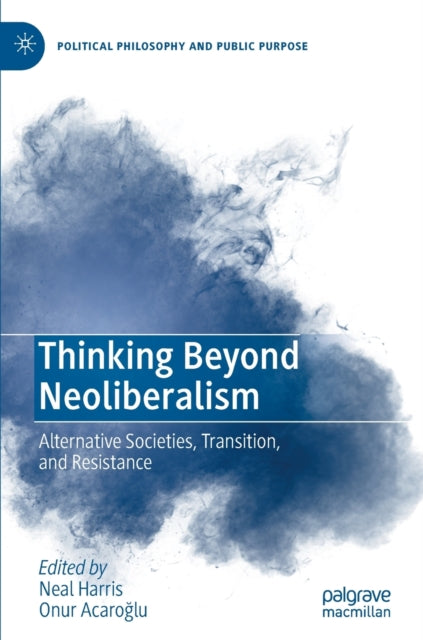
Thinking Beyond Neoliberalism: Alternative Societies, Transition, and Resistance
Thinking Beyond Neoliberalism: Alternative Societies, Transition, and Resistance
We can order this item for you. Delivery usually takes about 4 to 6 weeks.
This item is not held in our immediate stock. We will order it for you after checkout.
Estimated delivery: About 4 to 6 weeks
YOU SAVE £22.22
- Condition: Brand new
- UK Delivery times: Usually arrives within 2 - 3 working days
- UK Shipping: Fee starts at £3.89. Subject to product weight & dimension
Bulk ordering. Want 15 or more copies? Get a personalised quote and bigger discounts. Learn more about bulk orders.
Couldn't load pickup availability
- More about Thinking Beyond Neoliberalism: Alternative Societies, Transition, and Resistance
This book explores the possibilities for qualitative social change beyond neoliberalism, offering introductory essays on alternative societies, transition, and resistance. It discusses universal basic income, actually existing communism, parecon, circular economies, workers' cooperatives, 'fully automated luxury communism,' trade unionism, and party politics, providing a systematic evaluation of transition and resistance across theoretical, political, and disciplinary traditions.
Format: Hardback
Length: 268 pages
Publication date: 12 December 2021
Publisher: Springer Nature Switzerland AG
This book is a groundbreaking exploration of the potential for qualitative social change beyond the confines of neoliberalism. It brings together a diverse array of esteemed academics and activists, who offer insightful introductory essays on alternative societies, transitions, and resistance. The volume delves into a range of topics, including universal basic income, actual existing communism, parecon, circular economies, workers' cooperatives, 'fully automated luxury communism,' trade unionism, and party politics. Through these discussions, the book provides one of the first comprehensive scholarly interventions to assess the possibilities for transition and resistance across theoretical, political, and disciplinary traditions.
The book opens with an introductory essay by renowned scholar and activist Noam Chomsky, who provides a critical analysis of the dominant economic and political systems and highlights the urgent need for alternatives. He argues that the current model of capitalism is unsustainable and detrimental to human well-being, and proposes a range of alternative economic and political systems that can promote social justice, equality, and sustainability.
Following Chomsky's essay, the book presents a series of chapters by leading academics and activists who explore different aspects of alternative societies, transitions, and resistance. These chapters cover a wide range of topics, including the role of technology in shaping the future, the challenges of building alternative economic systems, the role of social movements in driving change, and the strategies for promoting political and social transformation.
One of the key themes of the book is the importance of building alternative institutions and networks that can challenge the power of dominant institutions and promote social change. The chapters discuss the potential for creating alternative financial systems, such as community-based credit unions, that can provide financial services to marginalized communities and promote economic empowerment. They also explore the role of alternative education systems, such as homeschooling and community-based learning centers, in promoting critical thinking and social awareness.
Another important theme of the book is the need for transformative political and social movements that can challenge the status quo and promote social change. The chapters discuss the role of grassroots organizing, social media, and digital technologies in mobilizing people and building collective power. They also explore the strategies for building strong and sustainable movements that can challenge the power of corporate interests and promote a more just and equitable society.
Throughout the book, the authors draw on a wide range of theoretical and empirical evidence to support their arguments and provide insights into the potential for qualitative social change. They also engage in critical dialogue with each other, challenging each other's perspectives and exploring the complexities and challenges of building alternative societies and transitions.
In conclusion, this book is a must-read for anyone interested in exploring the possibilities for qualitative social change beyond neoliberalism. It provides a comprehensive and interdisciplinary analysis of the challenges and opportunities facing our society, and offers a range of practical strategies and ideas for building alternative societies and transitions. By bringing together leading academics and activists from across the globe
This book is a groundbreaking exploration of the potential for qualitative social change beyond the confines of neoliberalism. It brings together a diverse array of esteemed academics and activists, who offer insightful introductory essays on alternative societies, transitions, and resistance. The volume delves into a range of topics, including universal basic income, actual existing communism, parecon, circular economies, workers' cooperatives, 'fully automated luxury communism,' trade unionism, and party politics. Through these discussions, the book provides one of the first comprehensive scholarly interventions to assess the possibilities for transition and resistance across theoretical, political, and disciplinary traditions.
The book opens with an introductory essay by renowned scholar and activist Noam Chomsky, who provides a critical analysis of the dominant economic and political systems and highlights the urgent need for alternatives. He argues that the current model of capitalism is unsustainable and detrimental to human well-being, and proposes a range of alternative economic and political systems that can promote social justice, equality, and sustainability.
Following Chomsky's essay, the book presents a series of chapters by leading academics and activists who explore different aspects of alternative societies, transitions, and resistance. These chapters cover a wide range of topics, including the role of technology in shaping the future, the challenges of building alternative economic systems, the role of social movements in driving change, and the strategies for promoting political and social transformation.
One of the key themes of the book is the importance of building alternative institutions and networks that can challenge the power of dominant institutions and promote social change. The chapters discuss the potential for creating alternative financial systems, such as community-based credit unions, that can provide financial services to marginalized communities and promote economic empowerment. They also explore the role of alternative education systems, such as homeschooling and community-based learning centers, in promoting critical thinking and social awareness.
Another important theme of the book is the need for transformative political and social movements that can challenge the status quo. The chapters discuss the role of grassroots organizing, social media, and digital technologies in mobilizing people and building collective power. They also explore the strategies for building strong and sustainable movements that can challenge the power of corporate interests and promote a more just and equitable society.
Throughout the book, the authors draw on a wide range of theoretical and empirical evidence to support their arguments and provide insights into the potential for qualitative social change. They also engage in critical dialogue with each other, challenging each other's perspectives and exploring the complexities and challenges of building alternative societies and transitions.
In conclusion, this book is a must-read for anyone interested in exploring the possibilities for qualitative social change beyond neoliberalism. It provides a comprehensive and interdisciplinary analysis of the challenges and opportunities facing our society, and offers a range of practical strategies and ideas for building alternative societies and transitions. By bringing together leading academics and activists from across the globe
This book is a groundbreaking exploration of the potential for qualitative social change beyond the confines of neoliberalism. It brings together a diverse array of esteemed academics and activists, who offer insightful introductory essays on alternative societies, transitions, and resistance. The volume delves into a range of topics, including universal basic income, actual existing communism, parecon, circular economies, workers' cooperatives, 'fully automated luxury communism,' trade unionism, and party politics. Through these discussions, the book provides one of the first comprehensive scholarly interventions to assess the possibilities for transition and resistance across theoretical, political, and disciplinary traditions.
The book opens with an introductory essay by renowned scholar and activist Noam Chomsky, who provides a critical analysis of the dominant economic and political systems and highlights the urgent need for alternatives. He argues that the current model of capitalism is unsustainable and detrimental to human well-being, and proposes a range of alternative economic and political systems that can promote social justice, equality, and sustainability.
Following Chomsky's essay, the book presents a series of chapters by leading academics and activists who explore different aspects of alternative societies, transitions, and resistance. These chapters cover a wide range of topics, including the role of technology in shaping the future, the challenges of building alternative economic systems, the role of social movements.
One of the key themes of the book is the importance of building alternative institutions and networks that can challenge the power of dominant institutions and promote social change. The chapters discuss the potential for creating alternative financial systems, such as community-based credit unions, that can provide financial services to marginalized communities and promote economic empowerment. They also explore the role of alternative education systems, such as homeschooling and community-based learning centers, in promoting critical thinking and social awareness.
Another important theme of the book is the need for transformative political and social movements that can challenge the status quo. The chapters discuss the role of grassroots organizing, social media, and digital technologies in mobilizing people and building collective power. They also explore the strategies for building strong and sustainable movements that can challenge the power of corporate interests and promote a more just and equitable society.
Throughout the book, the authors draw on a wide range of theoretical and empirical evidence to support their arguments and provide insights into the potential for qualitative social change. They also engage in critical dialogue with each other, challenging each other's perspectives and exploring the complexities and challenges of building alternative societies and transitions.
In conclusion, this book is a must-read for anyone interested in exploring the possibilities for qualitative social change beyond neoliberalism. It provides a comprehensive and interdisciplinary analysis of the challenges and opportunities facing our society, and offers a range of practical strategies and ideas for building alternative societies and transitions. By bringing together leading academics and activists from across the
This book is a groundbreaking exploration of the potential for qualitative social change beyond the confines of neoliberalism. It brings together a diverse array of esteemed academics and activists, who offer insightful introductory essays on alternative societies, transitions, and resistance. The volume delves into a range of topics, including universal basic income, actual existing communism, parecon, circular economies, workers' cooperatives, 'fully automated luxury communism,' trade unionism, and party politics. Through these discussions, the book provides one of the first comprehensive scholarly interventions to assess the possibilities for transition and resistance across theoretical, political, and disciplinary traditions.
The book opens with an introductory essay by renowned scholar and activist Noam Chomsky, who provides a critical analysis of the dominant economic and political systems and highlights the urgent need for alternatives. He argues that the current model of capitalism is unsustainable and detrimental to human well-being, and proposes a range of alternative economic and political systems that can promote social justice, equality, and sustainability.
Following Chomsky's essay, the book presents a series of chapters by leading academics and activists who explore different aspects of alternative societies, transitions, and resistance. These chapters cover a wide range of topics, including the role of technology in shaping the future, the challenges of building alternative economic systems, the role of social movements in driving change, and the strategies for promoting political and social transformation.
One of the key themes of the book is the importance of building alternative institutions and networks that can challenge the power of dominant institutions and promote social change. The chapters discuss the potential for creating alternative financial systems, such as community-based credit unions, that can provide financial services to marginalized communities and promote economic empowerment. They also explore the role of alternative education systems, such as homeschooling and community-based learning centers, in promoting critical thinking and social awareness.
Another important theme of the book is the need for transformative political and social movements that can challenge the status. The chapters discuss the role of grassroots organizing, social media, and digital technologies in mobilizing people and building collective power. They also explore the strategies for building strong and sustainable movements that can challenge the power of corporate interests and promote a more just and equitable society.
Throughout the book, the authors draw on a wide range of theoretical and empirical evidence to support their arguments and provide insights into the potential for qualitative social change. They also engage in critical dialogue with each other, challenging each other's perspectives and exploring the complexities and challenges of building alternative societies and transitions.
In conclusion, this book is a must-read for anyone interested in exploring the possibilities for qualitative social change beyond neoliberalism. It provides a comprehensive and interdisciplinary analysis of the challenges and opportunities facing our society, and offers a range of practical strategies and ideas for building alternative societies and transitions. By bringing together leading academics and activists from across the
Weight: 525g
Dimension: 210 x 148 (mm)
ISBN-13: 9783030826680
Edition number: 1st ed. 2022
UK and International shipping information
UK and International shipping information
We deliver throughout the United Kingdom and to 128 countries and territories worldwide, including the United States, Australia, Canada, Germany, Spain and France.