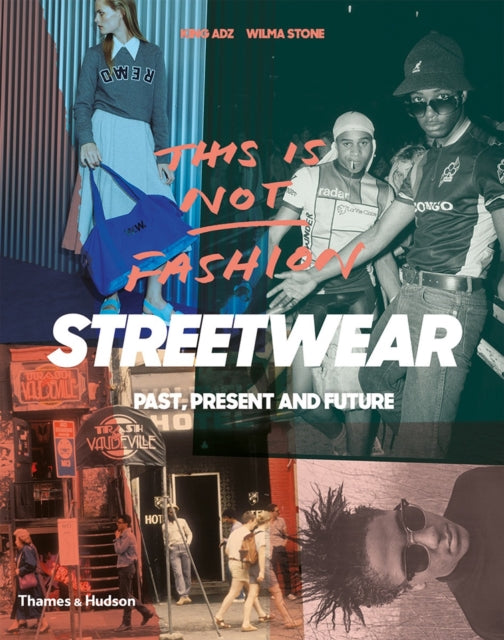
King Adz,Wilma Stone
This is Not Fashion: Streetwear Past, Present and Future
This is Not Fashion: Streetwear Past, Present and Future
💎 Earn 106 Points (£1.06) on this item.
YOU SAVE £8.76
- Condition: Brand new
- UK Delivery times: Usually arrives within 2 - 3 working days
- UK Shipping: Fee starts at £2.39. Subject to product weight & dimension
Bulk ordering. Want 15 or more copies? Get a personalised quote and bigger discounts. Learn more about bulk orders.
Couldn't load pickup availability
- More about This is Not Fashion: Streetwear Past, Present and Future
Streetwear has evolved from repurposed sportswear, workwear, and combat-wear into a multi-billion-dollar global industry, offering a powerful sense of belonging and identity to all. It began in 1972 in Jersey City, USA, and has since encompassed punk, Ivy League preppies, hip-hop, skater, and paninari scooter-brats. This dynamic study surveys the scene, including major brands and up-and-comers, and looks at how the Internet era has changed the ways it is sold and consumed.
Format: Paperback / softback
Length: 304 pages
Publication date: 15 February 2018
Publisher: Thames & Hudson Ltd
The evolution of streetwear into a multi-billion-dollar global industry is a fascinating tale that spans several decades and encompasses a diverse range of subcultural movements. King ADZ and Wilma Stone, two industry experts, take us on a journey from the humble beginnings of repurposed sportswear, workwear, and combat-wear to the revolutionary sartorial trend that has now embraced a vast array of disparate tribes, offering a powerful sense of belonging and identity to all.
The story begins in 1972, in Jersey City, USA, with the birth of the first-ever streetwear shop, Trash and Vaudeville. From there, the journey unfolds across different cultures, regions, and generations, showcasing the diverse influences that have shaped the evolution of streetwear.
The early stages of streetwear were marked by the influence of punk, Ivy League preppies, and the hip-hop kings and queens of Harlem. These subcultures embraced a rebellious and anti-establishment attitude, and their fashion choices reflected this. Oversized jackets, ripped jeans, and bold prints became the hallmark of punk and hip-hop fashion, while preppies took a more polished approach with their tailored suits and button-down shirts.
As the years passed, streetwear continued to evolve and diversify. The dresser/casual movement, born out of British football culture, introduced a more relaxed and laid-back style to the scene. Skaters in California embraced a more casual and sporty aesthetic, with baggy jeans, hoodies, and sneakers becoming the go-to outfit. Meanwhile, the paninari scooter-brats of Milan added a touch of Italian flair to streetwear, with their colorful prints and bold designs.
The global reach of streetwear has been remarkable. It has transcended culture, race, and gender, appealing to people from all walks of life. Major brands such as Stüssy, Carhartt, Tommy Hilfiger, and SHUT have become household names, while up-and-coming designers from South African townships and downtown Seoul are making their mark on the industry.
The Internet era has brought about significant changes in the way streetwear is sold and consumed. Online platforms and social media have made it easier for consumers to access and purchase streetwear from anywhere in the world. This has also led to the rise of streetwear influencers and bloggers, who play a crucial role in shaping the trends and styles that resonate with their followers.
Looking ahead, the future of streetwear is uncertain. While it continues to evolve and adapt to changing trends and cultures, there are several challenges that the industry faces. One of the biggest challenges is the increasing competition from fast fashion brands, which offer affordable and trendy clothing at a rapid pace. Streetwear brands must find ways to differentiate themselves and offer a unique value proposition to their customers.
Another challenge is the impact of climate change on the fashion industry. The production and consumption of fashion have a significant environmental footprint, and streetwear brands must take steps to reduce their carbon footprint and promote sustainability. This may involve using eco-friendly materials, implementing recycling programs, and reducing waste.
Despite these challenges, streetwear remains a vibrant and dynamic industry. With its ability to reflect and celebrate cultural diversity, streetwear has the potential to continue to shape and influence fashion trends for years to come. As King ADZ and Wilma Stone conclude in their book, "The Complete History of Fashion's Fastest-Growing and Most Influential Movement," streetwear is more than just a fashion trend; it is a powerful expression of identity and belonging.
Weight: 1118g
Dimension: 200 x 251 x 28 (mm)
ISBN-13: 9780500292440
UK and International shipping information
UK and International shipping information
UK Delivery and returns information:
- Delivery within 2 - 3 days when ordering in the UK.
- Shipping fee for UK customers from £2.39. Fully tracked shipping service available.
- Returns policy: Return within 30 days of receipt for full refund.
International deliveries:
Shulph Ink now ships to Australia, Belgium, Canada, France, Germany, Ireland, Italy, India, Luxembourg Saudi Arabia, Singapore, Spain, Netherlands, New Zealand, United Arab Emirates, United States of America.
- Delivery times: within 5 - 10 days for international orders.
- Shipping fee: charges vary for overseas orders. Only tracked services are available for most international orders. Some countries have untracked shipping options.
- Customs charges: If ordering to addresses outside the United Kingdom, you may or may not incur additional customs and duties fees during local delivery.