Lucia Raatma
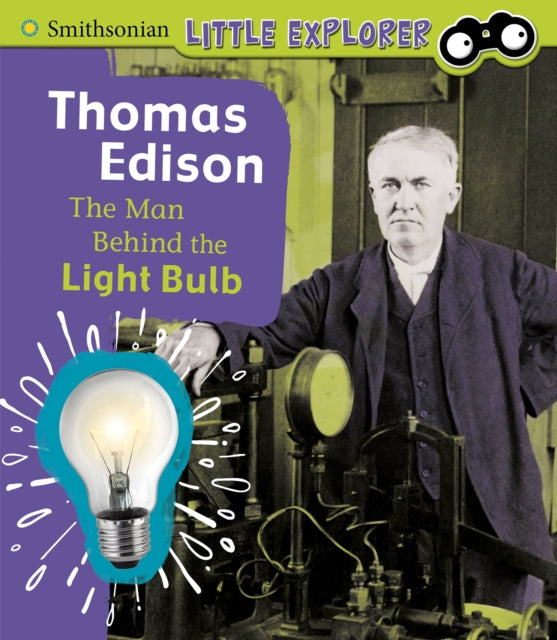
Thomas Edison: The Man Behind the Light Bulb
Thomas Edison: The Man Behind the Light Bulb
💎 Earn 31 Points (£0.31) on this item.
YOU SAVE £2.63
- Condition: Brand new
- UK Delivery times: Usually arrives within 2 - 3 working days
- UK Shipping: Fee starts at £2.39. Subject to product weight & dimension
Bulk ordering. Want 15 or more copies? Get a personalised quote and bigger discounts. Learn more about bulk orders.
Couldn't load pickup availability
- More about Thomas Edison: The Man Behind the Light Bulb
Thomas Edison invented the light bulb, which changed the world. He took steps to develop a better electric light bulb, including experimenting with materials and improving the design.
Format: Paperback / softback
Length: 32 pages
Publication date: 27 May 2021
Publisher: Capstone Global Library Ltd
Thomas Edison, a renowned inventor, is credited with the development of the light bulbs that we use today in our schools and homes. Edison's journey to this groundbreaking invention was a remarkable one, marked by a series of steps and innovations that ultimately led to his success.
In the early 19th century, electricity was a relatively new concept, and its potential for lighting and power was yet to be fully explored. Edison, a self-taught inventor, was determined to make a significant impact on the world and began to experiment with various electrical devices.
One of Edison's earliest inventions was the electric pen, which he developed in 1876. This pen used a carbon filament to create an electric current, which could be used to write on paper. While the electric pen was not a commercial success, it laid the foundation for Edison's later work on lighting.
Edison's next major breakthrough came in 1879 when he invented the incandescent light bulb. This bulb was made of a thin filament of carbon that was heated to a high temperature, producing light and heat. The incandescent light bulb was a significant improvement over previous lighting technologies, as it was more durable, efficient, and produced a brighter light.
However, the incandescent light bulb had its limitations. It was very inefficient, as it wasted a lot of energy in producing heat, and it was also prone to burning out quickly. Edison knew that he needed to develop a better light bulb that could meet the demands of modern society.
In 1880, Edison invented the first practical electric light bulb. This bulb was made of a vacuum-sealed glass tube filled with a gas, such as argon or krypton, and a filament of carbon. The gas prevented the filament from burning out, and the vacuum-sealed tube prevented the gas from escaping.
The first practical electric light bulb was a significant improvement over the incandescent light bulb, as it was more efficient, durable, and produced a brighter light. It quickly became popular and was used in homes, businesses, and public buildings all over the world.
Edison's work on lighting was not limited to the development of the electric light bulb. He also made significant contributions to the development of electric power generation and distribution. In 1882, Edison invented the first commercial electric power plant, which used a steam turbine to generate electricity.
This plant was a significant breakthrough in the development of electric power, as it allowed for the widespread distribution of electricity to homes and businesses. Edison's work on electric power also led to the development of the electric grid, which is the system of power lines and transformers that distribute electricity throughout the United States and other countries.
Edison's contributions to the development of lighting and electric power were not without their challenges. He faced opposition from many people who were skeptical of the potential of electricity and its applications. Edison was also known for his stubbornness and his willingness to experiment with new ideas, even if they seemed unlikely to succeed.
Despite these challenges, Edison's work on lighting and electric power had a profound impact on the world. His inventions paved the way for the development of modern society, and they continue to be used today in homes, businesses, and public buildings all over the world.
Thomas Edison, a renowned inventor, is credited with the development of the light bulbs that we use today in our schools and homes. Edison's journey to this groundbreaking invention was a remarkable one, marked by a series of steps and innovations that ultimately led to his success.
In the early 19th century, electricity was a relatively new concept, and its potential for lighting and power was yet to be fully explored. Edison, a self-taught inventor, was determined to make a significant impact on the world and began to experiment with various electrical devices.
One of Edison's earliest inventions was the electric pen, which he developed in 1876. This pen used a carbon filament to create an electric current, which could be used to write on paper. While the electric pen was not a commercial success, it laid the foundation for Edison's later work on lighting.
Edison's next major breakthrough came in 1879 when he invented the incandescent light bulb. This bulb was made of a thin filament of carbon that was heated to a high temperature, producing light and heat. The incandescent light bulb was a significant improvement over previous lighting technologies, as it was more durable, efficient, and produced a brighter light.
However, the incandescent light bulb had its limitations. It was very inefficient, as it wasted a lot of energy in producing heat, and it was also prone to burning out quickly. Edison knew that he needed to develop a better light bulb that could meet the demands of modern society.
In 1880, Edison invented the first practical electric light bulb. This bulb was made of a vacuum-sealed glass tube filled with a gas, such as argon or krypton, and a filament of carbon. The gas prevented the filament from burning out, and the vacuum-sealed tube prevented the gas from escaping.
The first practical electric light bulb was a significant improvement over the incandescent light bulb, as it was more efficient, durable, and produced a brighter light. It quickly became popular and was used in homes, businesses, and public buildings all over the world.
Edison's work on lighting was not limited to the development of the electric light bulb. He also made significant contributions to the development of electric power generation and distribution. In 1882, Edison invented the first commercial electric power plant, which used a steam turbine to generate electricity.
This plant was a significant breakthrough in the development of electric power, as it allowed for the widespread distribution of electricity to homes and businesses. Edison's work on electric power also led to the development of the electric grid, which is the system of power lines and transformers that distribute electricity throughout the United States and other countries.
Edison's contributions to the development of lighting and electric power were not without their challenges. He faced opposition from many people who were skeptical of the potential of electricity and its applications. Edison was also known for his stubbornness and his willingness to experiment with new ideas, even if they seemed unlikely to succeed.
Despite these challenges, Edison's work on lighting and electric power had a profound impact on the world. His inventions paved the way for the development of modern society, and they continue to be used today in homes, businesses, and public buildings all over the world.
In conclusion, Thomas Edison's journey to the development of the light bulb was a remarkable one, marked by a series of steps and innovations that ultimately led to his success. Edison's work on lighting and electric power had a profound impact on the world, and his inventions paved the way for the development of modern society. Edison's legacy as an inventor and innovator will continue to inspire generations to come.
Weight: 112g
Dimension: 192 x 221 x 5 (mm)
ISBN-13: 9781474786874
UK and International shipping information
UK and International shipping information
UK Delivery and returns information:
- Delivery within 2 - 3 days when ordering in the UK.
- Shipping fee for UK customers from £2.39. Fully tracked shipping service available.
- Returns policy: Return within 30 days of receipt for full refund.
International deliveries:
Shulph Ink now ships to Australia, Belgium, Canada, France, Germany, Ireland, Italy, India, Luxembourg Saudi Arabia, Singapore, Spain, Netherlands, New Zealand, United Arab Emirates, United States of America.
- Delivery times: within 5 - 10 days for international orders.
- Shipping fee: charges vary for overseas orders. Only tracked services are available for most international orders. Some countries have untracked shipping options.
- Customs charges: If ordering to addresses outside the United Kingdom, you may or may not incur additional customs and duties fees during local delivery.