George Weigel
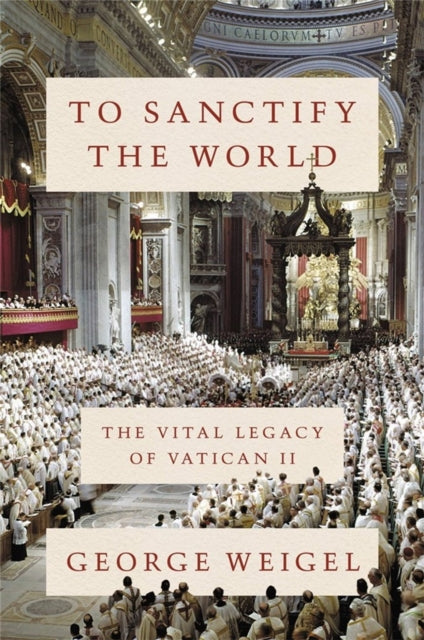
To Sanctify the World: The Vital Legacy of Vatican II
To Sanctify the World: The Vital Legacy of Vatican II
💎 Earn 99 Points (£0.99) on this item.
YOU SAVE £8.18
- Condition: Brand new
- UK Delivery times: Usually arrives within 2 - 3 working days
- UK Shipping: Fee starts at £2.39. Subject to product weight & dimension
Bulk ordering. Want 15 or more copies? Get a personalised quote and bigger discounts. Learn more about bulk orders.
Couldn't load pickup availability
- More about To Sanctify the World: The Vital Legacy of Vatican II
George Weigel's book "To Sanctify the World" explains the importance of the Second Vatican Council and its teachings for the Church's future and the world's search for freedom and human dignity.
Format: Hardback
Length: 368 pages
Publication date: 04 October 2022
Publisher: Basic Books
The Second Vatican Council (1962-1965) was a pivotal moment in Catholic history, marking a significant shift in the Church's teachings and direction. However, despite its importance, its impact and significance are still widely debated and contested. In his book, "To Sanctify the World," George Weigel offers a comprehensive exploration of the Council's teachings and their relevance in today's world.
Weigel begins by explaining the necessity of the Council, highlighting the need for the Church to address the challenges and changes of the modern world. He argues that the Council's teachings provide a framework for the Catholic Church to engage with the world in a more meaningful and effective way.
One of the key themes of "To Sanctify the World" is the importance of freedom. Weigel argues that the Council's teachings on freedom, both personal and social, offer a way for Catholics to live out their faith in a more authentic and meaningful way. He emphasizes the need for the Church to embrace freedom as a positive value, rather than viewing it as a threat to traditional values.
Weigel also explores the Council's teachings on the Church's relationship with other religions and cultures. He argues that the Council's call for dialogue and collaboration with other faiths and cultures is essential for building a more peaceful and just world. He highlights the importance of recognizing the common humanity of all people and working towards a common goal of promoting human dignity and social solidarity.
In addition to its teachings on freedom and interfaith dialogue, "To Sanctify the World" offers a critical analysis of the Council's texts. Weigel argues that the Council's documents provide a valuable resource for the Catholic Church as it seeks to live out its original, Christ-centered evangelical purpose. He highlights the importance of reading the Council's documents in their original context and understanding their historical and cultural significance.
Overall, "To Sanctify the World" is a thought-provoking and insightful book that offers a fresh perspective on the Second Vatican Council and its teachings. Weigel's writing is engaging and accessible, making it an ideal resource for both Catholics and non-Catholics interested in understanding the Church's role in the modern world.
The Second Vatican Council (1962-1965) was a pivotal moment in Catholic history, marking a significant shift in the Church's teachings and direction. However, despite its importance, its impact and significance are still widely debated and contested. In his book, "To Sanctify the World," George Weigel offers a comprehensive exploration of the Council's teachings and their relevance in today's world.
Weigel begins by explaining the necessity of the Council, highlighting the need for the Church to address the challenges and changes of the modern world. He argues that the Council's teachings provide a framework for the Catholic Church to engage with the world in a more meaningful and effective way.
One of the key themes of "To Sanctify the World" is the importance of freedom. Weigel argues that the Council's teachings on freedom, both personal and social, offer a way for Catholics to live out their faith in a more authentic and meaningful way. He emphasizes the need for the Church to embrace freedom as a positive value, rather than viewing it as a threat to traditional values.
Weigel also explores the Council's teachings on the Church's relationship with other religions and cultures. He argues that the Council's call for dialogue and collaboration with other faiths and cultures is essential for building a more peaceful and just world. He highlights the importance of recognizing the common humanity of all people and working towards a common goal of promoting human dignity and social solidarity.
In addition to its teachings on freedom and interfaith dialogue, "To Sanctify the World" offers a critical analysis of the Council's texts. Weigel argues that the Council's documents provide a valuable resource for the Catholic Church as it seeks to live out its original, Christ-centered evangelical purpose. He highlights the importance of reading the Council's documents in their original context and understanding their historical and cultural significance.
Overall, "To Sanctify the World" is a thought-provoking and insightful book that offers a fresh perspective on the Second Vatican Council and its teachings. Weigel's writing is engaging and accessible, making it an ideal resource for both Catholics and non-Catholics interested in understanding the Church's role in the modern world.
The Second Vatican Council (1962-1965) was a pivotal moment in Catholic history, marking a significant shift in the Church's teachings and direction. However, despite its importance, its impact and significance are still widely debated and contested. In his book, "To Sanctify the World," George Weigel offers a comprehensive exploration of the Council's teachings and their relevance in today's world.
Weigel begins by explaining the necessity of the Council, highlighting the need for the Church to address the challenges and changes of the modern world. He argues that the Council's teachings provide a framework for the Catholic Church to engage with the world in a more meaningful and effective way.
One of the key themes of "To Sanctify the World" is the importance of freedom. Weigel argues that the Council's teachings on freedom, both personal and social, offer a way for Catholics to live out their faith in a more authentic and meaningful way. He emphasizes the need for the Church to embrace freedom as a positive value, rather than viewing it as a threat to traditional values.
Weigel also explores the Council's teachings on the Church's relationship with other religions and cultures. He argues that the Council's call for dialogue and collaboration with other faiths and cultures is essential for building a more peaceful and just world. He highlights the importance of recognizing the common humanity of all people and working towards a common goal of promoting human dignity and social solidarity.
In addition to its teachings on freedom and interfaith dialogue, "To Sanctify the World" offers a critical analysis of the Council's texts. Weigel argues that the Council's documents provide a valuable resource for the Catholic Church as it seeks to live out its original, Christ-centered evangelical purpose. He highlights the importance of reading the Council's documents in their original context and understanding their historical and cultural significance.
Overall, "To Sanctify the World" is a thought-provoking and insightful book that offers a fresh perspective on the Second Vatican Council and its teachings. Weigel's writing is engaging and accessible, making it an ideal resource for both Catholics and non-Catholics interested in understanding the Church's role in the modern world.
Weight: 576g
Dimension: 162 x 242 x 35 (mm)
ISBN-13: 9780465094318
UK and International shipping information
UK and International shipping information
UK Delivery and returns information:
- Delivery within 2 - 3 days when ordering in the UK.
- Shipping fee for UK customers from £2.39. Fully tracked shipping service available.
- Returns policy: Return within 30 days of receipt for full refund.
International deliveries:
Shulph Ink now ships to Australia, Belgium, Canada, France, Germany, Ireland, Italy, India, Luxembourg Saudi Arabia, Singapore, Spain, Netherlands, New Zealand, United Arab Emirates, United States of America.
- Delivery times: within 5 - 10 days for international orders.
- Shipping fee: charges vary for overseas orders. Only tracked services are available for most international orders. Some countries have untracked shipping options.
- Customs charges: If ordering to addresses outside the United Kingdom, you may or may not incur additional customs and duties fees during local delivery.