Shulph Ink
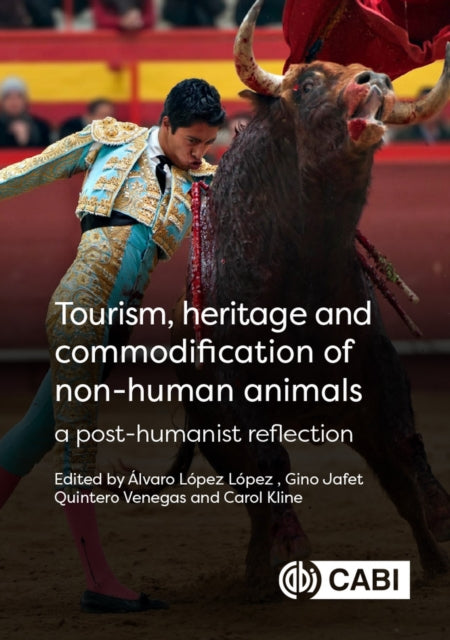
Tourism, Heritage and Commodification of Non-human Animals: A Posthumanist Reflection
Tourism, Heritage and Commodification of Non-human Animals: A Posthumanist Reflection
💎 Earn 441 Points (£4.41) on this item.
YOU SAVE £11.47
- Condition: Brand new
- UK Delivery times: Usually arrives within 2 - 3 working days
- UK Shipping: Fee starts at £2.39. Subject to product weight & dimension
Bulk ordering. Want 15 or more copies? Get a personalised quote and bigger discounts. Learn more about bulk orders.
Couldn't load pickup availability
- More about Tourism, Heritage and Commodification of Non-human Animals: A Posthumanist Reflection
Heritage is a social construction that includes physical and human environments, monuments, customs, gender norms, religious practices, gastronomy, and livelihoods. Animals are present as implicit or explicit heritage elements through multiple tourist environments, but their involvement as heritage elements by themselves or as an element of tourist consumption in heritage sites implies their commodification and lack of agency. This book explores the unethical interactions between humans and animals within heritage tourism and those that show efforts to minimize damage within the commercialization of animals involved as heritage themselves.
Format: Hardback
Length: 208 pages
Publication date: 19 December 2023
Publisher: CABI Publishing
Heritage, a multifaceted concept, is intricately woven into the fabric of modern and contemporary societies. It encompasses a broad spectrum of elements, both physical and human, that are often viewed positively. These include ecosystems, landscapes, monuments, customs, gender norms, religious practices, gastronomy, and livelihoods, among others.
Heritage and tourism are inextricably linked, with heritage serving as the foundation for tourist attractions and activities. Tourism, in turn, plays a vital role in enhancing the designation and preservation of heritage sites. However, the involvement of non-human animals in these contexts raises ethical concerns. Animals can be present as implicit or explicit heritage elements, either as the primary focus of tourist interest or as agents involved in heritage tourist environments.
In a post-humanist perspective, the moral valuation of equality between humans and other animals demands that both are recognized as sentient beings capable of experiencing pain and pleasure. Thus, the inclusion of animals as heritage elements, either by themselves or as part of tourist consumption, implies their commodification and lack of agency. These practices are often deemed unethical, as they threaten the fundamental interests of animals: to avoid suffering, to feel no pain, and to live freely.
This book explores the unethical interactions between humans and animals within heritage tourism, as well as instances where efforts are made to minimize damage within the commercialization of animals involved as heritage themselves. It is intended for postgraduate students, academics, non-governmental organizations (NGOs), and tourism planners who are interested in understanding the complex dynamics between humans, animals, and heritage.
Weight: 582g
Dimension: 178 x 253 x 18 (mm)
ISBN-13: 9781800623286
This item can be found in:
UK and International shipping information
UK and International shipping information
UK Delivery and returns information:
- Delivery within 2 - 3 days when ordering in the UK.
- Shipping fee for UK customers from £2.39. Fully tracked shipping service available.
- Returns policy: Return within 30 days of receipt for full refund.
International deliveries:
Shulph Ink now ships to Australia, Belgium, Canada, France, Germany, Ireland, Italy, India, Luxembourg Saudi Arabia, Singapore, Spain, Netherlands, New Zealand, United Arab Emirates, United States of America.
- Delivery times: within 5 - 10 days for international orders.
- Shipping fee: charges vary for overseas orders. Only tracked services are available for most international orders. Some countries have untracked shipping options.
- Customs charges: If ordering to addresses outside the United Kingdom, you may or may not incur additional customs and duties fees during local delivery.