Reinhard Rummel
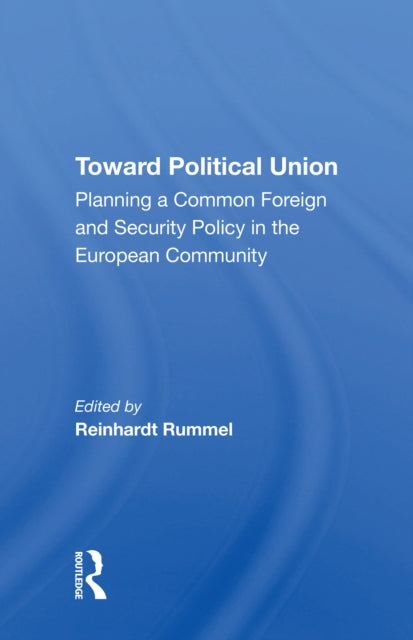
Toward Political Union: Planning A Common Foreign And Security Policy In The European Community
Toward Political Union: Planning A Common Foreign And Security Policy In The European Community
💎 Earn 221 Points (£2.21) on this item.
We can order this item for you. Delivery usually takes about 4 to 6 weeks.
This item is not held in our immediate stock. We will order it for you after checkout.
Estimated delivery: About 4 to 6 weeks
YOU SAVE £2.63
- Condition: Brand new
- UK Delivery times: Usually arrives within 2 - 3 working days
- UK Shipping: Fee starts at £2.39. Subject to product weight & dimension
Bulk ordering. Want 15 or more copies? Get a personalised quote and bigger discounts. Learn more about bulk orders.
Couldn't load pickup availability
- More about Toward Political Union: Planning A Common Foreign And Security Policy In The European Community
The contributors, representing major European Community institutions and member states, offer their assessments of the political and institutional issues influencing the formation of a common foreign and security policy for the 12 member states. Representatives of non-EC countries (particularly the United States, the Soviet Union, and Japan) provide their perspectives as well.
Format: Paperback / softback
Length: 376 pages
Publication date: 13 December 2021
Publisher: Taylor & Francis Ltd
The contributors, representing major European Community institutions and member states, offer their comprehensive assessments of the political and institutional factors shaping the development of a unified foreign and security policy for the 12 member states. These experts, drawn from various European countries, provide valuable insights into the complex dynamics driving this policy-making process.
The contributors delve into the intricate web of political considerations that shape the formation of a common foreign and security policy. They examine the interplay between the European Union's (EU) institutions, such as the European Commission, the European Council, and the European Parliament, as well as the individual member states' interests and priorities. They analyze the challenges and opportunities arising from the diverse geopolitical landscape, including the ongoing conflicts in the Middle East, Africa, and Asia, as well as the rise of non-traditional threats such as terrorism and cyber security.
Furthermore, the contributors explore the institutional mechanisms and processes that facilitate the coordination and implementation of foreign and security policy. They discuss the role of the European External Action Service (EEAS) as the EU's diplomatic arm, as well as the role of the European Council, which serves as the primary forum for decision-making on foreign and security issues. They also highlight the importance of consensus building and the role of diplomatic negotiations in reaching mutually beneficial agreements.
In addition to their assessments of the political and institutional factors, the contributors offer practical recommendations for enhancing the effectiveness of the common foreign and security policy. They emphasize the need for increased cooperation and coordination among the member states, as well as the importance of developing a shared vision and strategic objectives. They also suggest the importance of engaging with non-EC countries, particularly in the context of multilateral diplomacy, to address global challenges such as climate change and international security.
Overall, this collection of essays provides a comprehensive and insightful examination of the political and institutional dynamics influencing the formation of a common foreign and security policy for the 12 member states of the European Community. It sheds light on the complex challenges and opportunities facing the EU and its member states, and offers valuable insights into the strategies and processes necessary for building a more secure and prosperous world.
The contributors, representing major European Community institutions and member states, offer their comprehensive assessments of the political and institutional factors shaping the development of a unified foreign and security policy for the 12 member states. These experts, drawn from various European countries, provide valuable insights into the complex dynamics driving this policy-making process.
The contributors delve into the intricate web of political considerations that shape the formation of a common foreign and security policy. They examine the interplay between the European Union's (EU) institutions, such as the European Commission, the European Council, and the European Parliament, as well as the individual member states' interests and priorities.
They analyze the challenges and opportunities arising from the diverse geopolitical landscape, including the ongoing conflicts in the Middle East, Africa, and Asia, as well as the rise of non-traditional threats such as terrorism and cyber security.
Furthermore, the contributors explore the institutional mechanisms and processes that facilitate the coordination and implementation of foreign and security policy. They discuss the role of the European External Action Service (EEAS) as the EU's diplomatic arm, as well as the role of the European Council, which serves as the primary forum for decision-making on foreign and security issues.
They also highlight the importance of consensus building and the role of diplomatic negotiations in reaching mutually beneficial agreements.
In addition to their assessments of the political and institutional factors, the contributors offer practical recommendations for enhancing the effectiveness of the common foreign and security policy. They emphasize the need for increased cooperation and coordination among the member states, as well as the importance of developing a shared vision and strategic objectives.
They also suggest the importance of engaging with non-EC countries, particularly in the context of multilateral diplomacy, to address global challenges such as climate change and international security.
Overall, this collection of essays provides a comprehensive and insightful examination of the political and institutional dynamics influencing the formation of a common foreign and security policy for the 12 member states of the European Community. It sheds light on the complex challenges and opportunities facing the EU and its member states, and offers valuable insights into the strategies and processes necessary for building a more secure and prosperous world.
Weight: 710g
ISBN-13: 9780367214678
This item can be found in:
UK and International shipping information
UK and International shipping information
UK Delivery and returns information:
- Delivery within 2 - 3 days when ordering in the UK.
- Shipping fee for UK customers from £2.39. Fully tracked shipping service available.
- Returns policy: Return within 30 days of receipt for full refund.
International deliveries:
Shulph Ink now ships to Australia, Belgium, Canada, France, Germany, Ireland, Italy, India, Luxembourg Saudi Arabia, Singapore, Spain, Netherlands, New Zealand, United Arab Emirates, United States of America.
- Delivery times: within 5 - 10 days for international orders.
- Shipping fee: charges vary for overseas orders. Only tracked services are available for most international orders. Some countries have untracked shipping options.
- Customs charges: If ordering to addresses outside the United Kingdom, you may or may not incur additional customs and duties fees during local delivery.