NiallRichardson,Frances Smith
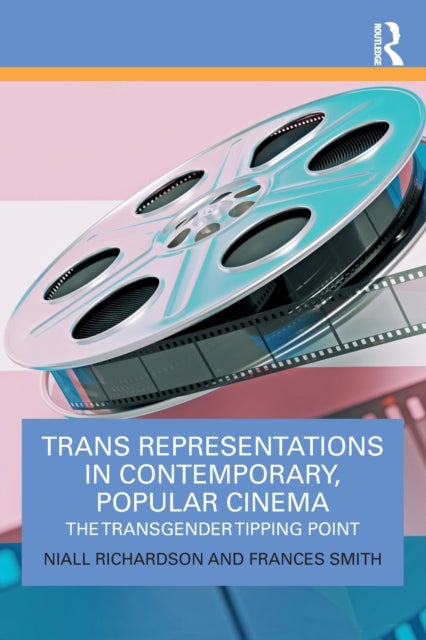
Trans Representations in Contemporary, Popular Cinema: The Transgender Tipping Point
Trans Representations in Contemporary, Popular Cinema: The Transgender Tipping Point
💎 Earn 202 Points (£2.02) on this item.
We can order this item for you. Delivery usually takes about 4 to 6 weeks.
This item is not held in our immediate stock. We will order it for you after checkout.
Estimated delivery: About 4 to 6 weeks
YOU SAVE £2.41
- Condition: Brand new
- UK Delivery times: Usually arrives within 2 - 3 working days
- UK Shipping: Fee starts at £2.39. Subject to product weight & dimension
Bulk ordering. Want 15 or more copies? Get a personalised quote and bigger discounts. Learn more about bulk orders.
Couldn't load pickup availability
- More about Trans Representations in Contemporary, Popular Cinema: The Transgender Tipping Point
This book examines how contemporary genre cinema represents trans-identified characters, critiquing the representation of trans characters in various cinematic genres and exploring the ways in which trans identifications are coded within the narrative and stylistic expectations of the genres. It is a timely and accessible resource for students studying Film Studies, Media Studies, Cultural Studies, or Gender Studies.
Format: Paperback / softback
Length: 190 pages
Publication date: 23 August 2022
Publisher: Taylor & Francis Ltd
This comprehensive book delves into the intricate portrayal of trans-identified characters in contemporary genre cinema, drawing upon a wealth of knowledge from transfeminism, queer theory, contemporary trans studies, and engaging with the concerns raised by gender critical feminism. With a cultural orientation, it critically examines the representation of trans characters across a diverse range of cinematic genres, including musicals, period costume dramas, road movies, melodramas, coming-of-age stories, and romances. Through in-depth case studies, the book explores how trans identifications are encoded within the narrative and stylistic conventions of these genres, shedding light on the ways in which they are either affirmed or perpetuated.
The central question at the heart of this book is whether genre films effectively affirm trans identifications or whether they reinforce trans stereotypes and anti-trans discourses. By examining a range of films from Anglophonic, European, and Latin American cinemas, the book offers a timely and accessible exploration of this critical issue, making it an invaluable resource for students studying courses in Film Studies, Media Studies, Cultural Studies, or Gender Studies.
In the opening chapter, the book provides a theoretical framework for analyzing the representation of trans characters in genre cinema. It explores the historical context of trans visibility in mainstream media and the challenges faced by trans individuals in seeking representation. It also introduces key concepts from transfeminism, queer theory, and contemporary trans studies, which serve as the foundation for the subsequent chapters.
The following chapters delve into the portrayal of trans characters in specific genres. Each chapter focuses on a particular genre, such as musicals, period costume dramas, or romances, and examines how trans characters are represented within that context. The case studies presented in these chapters provide a rich analysis of the ways in which trans identifications are coded within the narrative and stylistic expectations of the genres.
For example, in Chapter 2, the book explores the representation of trans women in musicals. It examines how trans characters are often portrayed as exotic or marginalized, and how they are often subjected to ridicule or violence. It also highlights the ways in which musicals have been used as a platform for trans activism and advocacy, particularly in the context of the LGBTQ+ rights movement.
Chapter 3 takes a closer look at the representation of trans men in period costume dramas. It explores how trans characters are often depicted as historical figures who have undergone gender transition, and how they are often portrayed as tragic or heroic. It also examines the ways in which period costume dramas have been used to challenge traditional gender norms and promote gender equality.
Chapter 4 examines the representation of trans characters in road movies. It explores how trans characters are often depicted as outsiders or marginalized, and how they are often subjected to discrimination or violence. It also highlights the ways in which road movies have been used to explore themes of identity, belonging, and self-discovery, particularly for trans individuals.
Chapter 5 explores the representation of trans characters in melodramas. It examines how trans characters are often portrayed as vulnerable or fragile, and how they are often subjected to abuse or trauma. It also highlights the ways in which melodramas have been used to explore themes of love, loss, and redemption, particularly for trans individuals who are navigating their gender identity.
Chapter 6 examines the representation of trans characters in coming-of-age stories. It explores how trans characters are often portrayed as outsiders or marginalized, and how they are often subjected to discrimination or violence. It also highlights the ways in which coming-of-age stories have been used to explore themes of identity, acceptance, and self-discovery, particularly for trans individuals who are navigating their gender identity.
Chapter 7 examines the representation of trans characters in romances. It explores how trans characters are often portrayed as love interests or side-characters, and how they are often subjected to fetishization or objectification. It also highlights the ways in which romances have been used to explore themes of love, desire, and intimacy, particularly for trans individuals who are seeking to establish healthy relationships with others.
In conclusion, this book offers a comprehensive and insightful analysis of the representation of trans-identified characters in contemporary genre cinema. By drawing upon a wide range of theoretical frameworks and engaging with a diverse range of cinematic genres, it provides a valuable contribution to the field of Film Studies, Media Studies, Cultural Studies, and Gender Studies. It challenges readers to think critically about the ways in which genre films shape our understanding of trans identities.
Weight: 312g
Dimension: 154 x 232 x 14 (mm)
ISBN-13: 9780367483357
UK and International shipping information
UK and International shipping information
UK Delivery and returns information:
- Delivery within 2 - 3 days when ordering in the UK.
- Shipping fee for UK customers from £2.39. Fully tracked shipping service available.
- Returns policy: Return within 30 days of receipt for full refund.
International deliveries:
Shulph Ink now ships to Australia, Belgium, Canada, France, Germany, Ireland, Italy, India, Luxembourg Saudi Arabia, Singapore, Spain, Netherlands, New Zealand, United Arab Emirates, United States of America.
- Delivery times: within 5 - 10 days for international orders.
- Shipping fee: charges vary for overseas orders. Only tracked services are available for most international orders. Some countries have untracked shipping options.
- Customs charges: If ordering to addresses outside the United Kingdom, you may or may not incur additional customs and duties fees during local delivery.