Shulph Ink
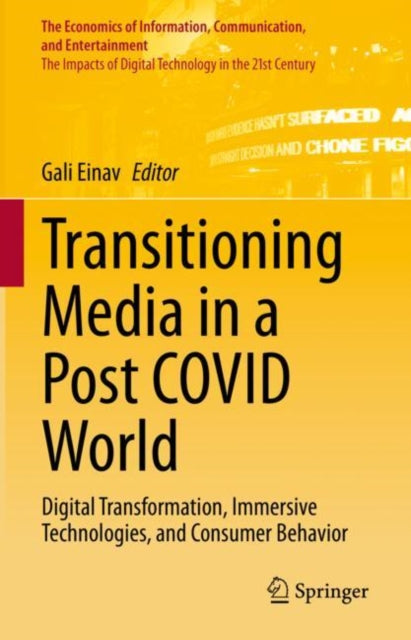
Transitioning Media in a Post COVID World: Digital Transformation, Immersive Technologies, and Consumer Behavior
Transitioning Media in a Post COVID World: Digital Transformation, Immersive Technologies, and Consumer Behavior
💎 Earn 619 Points (£6.19) on this item.
We can order this item for you. Delivery usually takes about 4 to 6 weeks.
This item is not held in our immediate stock. We will order it for you after checkout.
Estimated delivery: About 4 to 6 weeks
YOU SAVE £26.10
- Condition: Brand new
- UK Delivery times: Usually arrives within 2 - 3 working days
- UK Shipping: Fee starts at £2.39. Subject to product weight & dimension
Bulk ordering. Want 15 or more copies? Get a personalised quote and bigger discounts. Learn more about bulk orders.
Couldn't load pickup availability
- More about Transitioning Media in a Post COVID World: Digital Transformation, Immersive Technologies, and Consumer Behavior
The book provides a comprehensive overview of the digital transformation of media industries post-COVID-19, investigating the impact of immersive technologies and changing consumer behavior. It explores new content models, digital collaboration, and personalized psychological analysis.
Format: Hardback
Length: 132 pages
Publication date: 23 April 2022
Publisher: Springer Nature Switzerland AG
The COVID-19 pandemic has brought about a remarkable transformation in the media industries, particularly in the realm of digital transformation. This comprehensive book offers a unique perspective on the impact of this transformation on various sectors, including television, art, gaming, and music. It delves into the profound effects of immersive technologies on these media, exploring how they have reshaped consumer behavior and spurred the development of innovative content models, digital collaboration strategies, and personalized psychological analysis of digital consumers.
Television has been one of the most affected industries by the digital transformation. The rise of streaming platforms and the shift towards on-demand content have disrupted traditional broadcasting models, leading to a decline in viewership and revenue for traditional networks. However, the pandemic has also accelerated the adoption of streaming services, with more and more people turning to platforms like Netflix, Amazon Prime Video, and Disney+ to consume their favorite TV shows and movies.
In the art sector, the digital transformation has opened up new avenues for creativity and collaboration. Artists can now create and share their work with a global audience through online platforms and social media, bypassing traditional art galleries and museums. The pandemic has also led to an increase in digital art exhibitions and virtual art galleries, allowing artists to showcase their work to a wider audience without the need for physical spaces.
Gaming has also experienced significant growth in the digital age. The rise of mobile gaming and the increasing popularity of virtual reality (VR) and augmented reality (AR) have transformed the gaming experience, allowing players to immerse themselves in immersive worlds and interact with games in new and exciting ways. The pandemic has further accelerated the growth of gaming, with more people turning to online gaming as a form of entertainment during lockdowns and social distancing measures.
Music has also been significantly impacted by the digital transformation. The rise of streaming services and the decline of physical sales have disrupted the traditional music industry, leading to a decline in revenue for artists and record labels. However, the pandemic has also led to an increase in music streaming, with more and more people turning to platforms like Spotify, Apple Music, and Tidal to listen to their favorite songs and playlists.
The book also examines the changing consumer behavior in the digital space. It explores how consumers are increasingly seeking personalized and immersive experiences, and how media companies are adapting to meet these demands. This includes the development of new content models based on creative thinking, digital collaboration models, and personalized psychologically based analysis of digital consumer behavior.
One of the key findings of the book is that immersive technologies, such as VR and AR, have the potential to revolutionize the way we consume media. These technologies allow consumers to fully immerse themselves in the content, creating a more engaging and memorable experience. They also offer new opportunities for content creators to explore innovative storytelling techniques and create interactive experiences that engage consumers on a deeper level.
Another important aspect of the book is the development of new content models based on creative thinking. In the digital age, consumers are increasingly seeking unique and innovative content that resonates with them on a personal level. Media companies are adapting to this demand by investing in creative teams and developing new content that is tailored to specific audiences and interests. This includes the development of personalized content recommendations, interactive content, and immersive experiences that blur the lines between reality and fiction.
Digital collaboration models are also becoming increasingly important in the media industry. The pandemic has highlighted the need for collaboration between different sectors, such as technology, entertainment, and healthcare, to address the challenges posed by the pandemic. Media companies are adapting to this demand by forming partnerships with other companies and organizations to create new content and services that benefit society as a whole.
Personalized psychologically based analysis of digital consumer behavior is another key area of focus in the book. As consumers become more aware of their digital footprint and the impact of their online behavior on their mental health, media companies are adapting to this demand by developing tools and services that help consumers manage their digital footprint and improve their mental well-being.
In conclusion, the COVID-19 pandemic has brought about a remarkable transformation in the media industries, particularly in the realm of digital transformation. This comprehensive book offers a unique perspective on the impact of this transformation on various sectors, including television, art, gaming, and music. It delves into the profound effects of immersive technologies on these media, exploring how they have reshaped consumer behavior and spurred the development of innovative content models, digital collaboration strategies, and personalized psychological analysis of digital consumers. As the media industry continues to evolve, it will be important for media companies to stay ahead of the curve and adapt to the changing needs and preferences of consumers in order to remain relevant and successful in the digital age.
Weight: 395g
Dimension: 235 x 155 (mm)
ISBN-13: 9783030953294
Edition number: 1st ed. 2022
This item can be found in:
UK and International shipping information
UK and International shipping information
UK Delivery and returns information:
- Delivery within 2 - 3 days when ordering in the UK.
- Shipping fee for UK customers from £2.39. Fully tracked shipping service available.
- Returns policy: Return within 30 days of receipt for full refund.
International deliveries:
Shulph Ink now ships to Australia, Belgium, Canada, France, Germany, Ireland, Italy, India, Luxembourg Saudi Arabia, Singapore, Spain, Netherlands, New Zealand, United Arab Emirates, United States of America.
- Delivery times: within 5 - 10 days for international orders.
- Shipping fee: charges vary for overseas orders. Only tracked services are available for most international orders. Some countries have untracked shipping options.
- Customs charges: If ordering to addresses outside the United Kingdom, you may or may not incur additional customs and duties fees during local delivery.