Shulph Ink
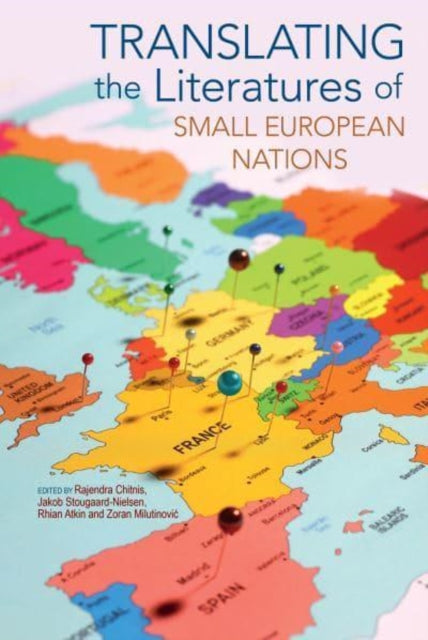
Translating the Literatures of Small European Nations
Translating the Literatures of Small European Nations
💎 Earn 151 Points (£1.51) on this item.
- Condition: Brand new
- UK Delivery times: Usually arrives within 2 - 3 working days
- UK Shipping: Fee starts at £2.39. Subject to product weight & dimension
Bulk ordering. Want 15 or more copies? Get a personalised quote and bigger discounts. Learn more about bulk orders.
Couldn't load pickup availability
- More about Translating the Literatures of Small European Nations
This book is a comprehensive comparative study of European literatures written in less well-known languages, exploring their approaches to translation, cultural diplomacy, institutional support, and international gate-keeping. It challenges the narratives of uniqueness and marginalization and highlights the innovative thinking and strategies of these literatures in facing globalization's inequalities.
Format: Paperback / softback
Length: 304 pages
Publication date: 01 September 2022
Publisher: Liverpool University Press
This book stands as the most comprehensive and extensive comparative analysis to date of how European literatures written in less widely spoken languages strive to reach a broader global audience through translation. By examining a diverse range of national contexts, including Bosnian, Catalan, Czech, Dutch, Maltese, Polish, Portuguese, Swedish, and Serbian, the book explores patterns and contrasts in approaches to supply-driven translation, cultural diplomacy, institutional support, and international gate-keeping. Through in-depth case studies, it delves into the specific fates of poetry, women's writing, and genre fiction, as well as the opportunities presented by trans-medial circulation, self-translation, and translingualism. Moreover, it offers a more radical critique of power imbalances in the translation and publishing industries.
The book's comparative approach aims to challenge both the narratives of uniqueness that emerge from discrete national approaches and the narrative of tragic marginalization that prevails in world literary approaches. Instead, it employs an interdisciplinary blend of literary, historical, sociological, gender- and translation-studies approaches to shed light on the often pioneering, innovative thinking, and strategies employed by these literatures as they navigate the inequalities of globalization.
One of the key findings of the book is that European literatures written in less widely spoken languages often exhibit a pioneering spirit and innovative thinking in their approach to translation. These literatures are not bound by the constraints of dominant languages and cultures, allowing them to explore new literary forms, genres, and themes that may not be readily accessible in their native languages. This freedom of expression leads to the creation of unique and distinctive literary voices that challenge the established norms and conventions of the literary world.
Another important aspect of the book is its exploration of the role of cultural diplomacy in promoting European literatures written in less widely spoken languages. Cultural diplomacy involves the exchange of cultural products, ideas, and values between different countries to foster understanding and cooperation. By engaging with international audiences through translation, these literatures can contribute to the broader cultural dialogue and promote mutual appreciation and understanding.
The book also highlights the importance of institutional support in fostering the development and promotion of European literatures written in less widely spoken languages. This support can take various forms, such as government funding, literary awards, and cultural institutions that promote the study and translation of these literatures. By providing these resources, these literatures can gain greater visibility and recognition, which in turn can lead to increased readership and engagement.
However, the book also acknowledges the challenges faced by European literatures written in less widely spoken languages in reaching a broader global audience. One of the main challenges is the lack of translation infrastructure and resources in many countries, which can make it difficult for these literatures to be translated and distributed. Additionally, the dominance of dominant languages and cultures in the global literary market can create barriers to the promotion and circulation of these literatures.
To address these challenges, the book offers several recommendations. One of the most important recommendations is the need for increased investment in translation infrastructure and resources, including translation grants, translation training programs, and translation festivals. This investment can help to promote the translation of European literatures written in less widely spoken languages and ensure that these literatures reach a wider global audience.
Another recommendation is the promotion of cultural exchange programs and collaborations between European literatures written in less widely spoken languages and their counterparts in other countries. These programs can facilitate the exchange of ideas, writers, and translators, which can help to promote mutual understanding and appreciation and increase the visibility and circulation of these literatures.
Furthermore, the book suggests that a more radical critique of power imbalances in the translation and publishing industries is necessary to promote greater diversity and inclusivity in the literary world. This critique can involve challenging the dominant narratives and hierarchies that govern the translation and publishing industries and advocating for greater representation and recognition of European literatures written in less widely spoken languages.
In conclusion, this book constitutes a groundbreaking contribution to the field of comparative literature and translation studies. By examining the strategies employed by European literatures written in less widely spoken languages to reach a broader global audience, it challenges the narratives of uniqueness and marginalization that prevail in world literary approaches. Through an interdisciplinary mix of literary, historical, sociological, gender- and translation-studies approaches, it illuminates the often pioneering, innovative thinking, and strategies that mark these literatures as they navigate the inequalities of globalization. The book offers valuable insights into the role of translation in promoting cultural diversity and understanding, as well as the challenges and opportunities faced by European literatures written in less widely spoken languages in the contemporary world.
Dimension: 234 x 156 (mm)
ISBN-13: 9781802077391
This item can be found in:
UK and International shipping information
UK and International shipping information
UK Delivery and returns information:
- Delivery within 2 - 3 days when ordering in the UK.
- Shipping fee for UK customers from £2.39. Fully tracked shipping service available.
- Returns policy: Return within 30 days of receipt for full refund.
International deliveries:
Shulph Ink now ships to Australia, Belgium, Canada, France, Germany, Ireland, Italy, India, Luxembourg Saudi Arabia, Singapore, Spain, Netherlands, New Zealand, United Arab Emirates, United States of America.
- Delivery times: within 5 - 10 days for international orders.
- Shipping fee: charges vary for overseas orders. Only tracked services are available for most international orders. Some countries have untracked shipping options.
- Customs charges: If ordering to addresses outside the United Kingdom, you may or may not incur additional customs and duties fees during local delivery.