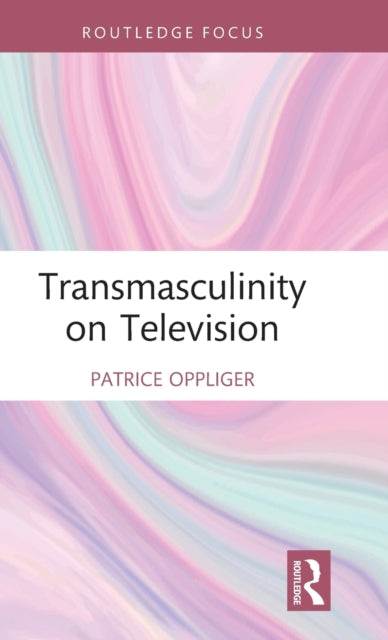
Patrice A. Oppliger
Transmasculinity on Television
Transmasculinity on Television
💎 Earn 292 Points (£2.92) on this item.
We can order this item for you. Delivery usually takes about 4 to 6 weeks.
This item is not held in our immediate stock. We will order it for you after checkout.
Estimated delivery: About 4 to 6 weeks
- Condition: Brand new
- UK Delivery times: Usually arrives within 2 - 3 working days
- UK Shipping: Fee starts at £2.39. Subject to product weight & dimension
Bulk ordering. Want 15 or more copies? Get a personalised quote and bigger discounts. Learn more about bulk orders.
Couldn't load pickup availability
- More about Transmasculinity on Television
The study looks at how males and nonbinary trans people are represented on television and how this representation affects audience attitudes. It examines television from the last decade to see how trans people have been portrayed.
Format: Hardback
Length: 112 pages
Publication date: 16 May 2022
Publisher: Taylor & Francis Ltd
The representation of males and nonbinary trans individuals on television has been a topic of increasing interest and discussion in recent years. With the rise of transgender visibility and acceptance, there has been a growing demand for more diverse and authentic portrayals of these communities on screen.
In recent years, the representation of males and nonbinary trans individuals on television has garnered significant attention and debate. The increasing visibility and acceptance of transgender individuals have led to a growing demand for more diverse and authentic portrayals of these communities on screen. Television has played a crucial role in shaping public perceptions and attitudes towards transgender people, and the way in which they are portrayed on screen can have a significant impact on viewers' understanding and acceptance of these individuals.
One of the key challenges in representing males and nonbinary trans individuals on television is the lack of diversity and authenticity. Historically, transgender characters have been primarily portrayed by cisgender actors, who may not fully understand the experiences and challenges faced by transgender individuals. This can lead to perpetuating harmful stereotypes and reducing the visibility and representation of transgender people in media.
To address this issue, there have been efforts to increase the representation of males and nonbinary trans individuals on television. This has included the development of new characters who are transgender or nonbinary, as well as the hiring of transgender actors to play these roles. Additionally, there has been a push for more diverse casting practices, which include the representation of transgender individuals from a range of racial, ethnic, and socioeconomic backgrounds.
Despite these efforts, there are still challenges in representing males and nonbinary trans individuals on television. One of the most significant is the lack of visibility and recognition of transgender individuals in mainstream media. Transgender people are often portrayed as exotic or marginalized, and their stories are often ignored or marginalized. This can lead to a sense of isolation and disempowerment for transgender individuals, who may feel that their voices and experiences are not being heard.
Another challenge is the prevalence of negative stereotypes and tropes in the representation of males and nonbinary trans individuals on television. These stereotypes can be harmful and perpetuate harmful attitudes towards transgender people. For example, transgender characters may be portrayed as violent or unstable, or as sexual objects or predators. This can lead to a sense of fear and discrimination towards transgender individuals in real life.
Despite these challenges, there have been some positive examples of males and nonbinary trans representation on television. For example, the show "Orange Is the New Black" has featured a number of transgender characters, including Laverne Cox, who played the role of Sophia Burset. Cox's portrayal of a transgender woman was groundbreaking and helped to increase the visibility and representation of transgender people in media.
Similarly, the show "Transparent" has featured a number of transgender characters, including Maura Pfefferman, who played the role of Jeffrey Tambor. Tambor's portrayal of a transgender man was nuanced and complex, and helped to challenge traditional gender norms and stereotypes.
Overall, the representation of males and nonbinary trans individuals on television has been a complex and evolving issue. While there have been some positive examples of representation, there are still significant challenges to be addressed. By increasing the diversity and authenticity of portrayals, as well as by promoting visibility and recognition of transgender individuals in mainstream media, we can work towards creating a more inclusive and equitable society for all transgender people.
The representation of males and nonbinary trans individuals on television has been a topic of increasing interest and discussion in recent years. With the rise of transgender visibility and acceptance, there has been a growing demand for more diverse and authentic portrayals of these communities on screen.
In recent years, the representation of males and nonbinary trans individuals on television has garnered significant attention and debate. The increasing visibility and acceptance of transgender individuals have led to a growing demand for more diverse and authentic portrayals of these communities on screen. Television has played a crucial role in shaping public perceptions and attitudes towards transgender people, and the way in which they are portrayed on screen can have a significant impact on viewers' understanding and acceptance of these individuals.
One of the key challenges in representing males and nonbinary trans individuals on television is the lack of diversity and authenticity. Historically, transgender characters have been primarily portrayed by cisgender actors, who may not fully understand the experiences and challenges faced by transgender individuals. This can lead to perpetuating harmful stereotypes and reducing the visibility and representation of transgender people in media.
To address this issue, there have been efforts to increase the representation of males and nonbinary trans individuals on television. This has included the development of new characters who are transgender or nonbinary, as well as the hiring of transgender actors to play these roles. Additionally, there has been a push for more diverse casting practices, which include the representation of transgender individuals from a range of racial, ethnic, and socioeconomic backgrounds.
Despite these efforts, there are still challenges in representing males and nonbinary trans individuals on television. One of the most significant is the lack of visibility and recognition of transgender individuals in mainstream media. Transgender people are often portrayed as exotic or marginalized, and their stories are often ignored or marginalized. This can lead to a sense of isolation and disempower power for transgender individuals, who may feel that their voices and experiences are not being heard.
Another challenge is the prevalence of negative stereotypes and tropes in the representation of males and nonbinary trans individuals on television. These stereotypes can be harmful and perpetuate harmful attitudes towards transgender people. For example, transgender characters may be portrayed as violent or unstable, or as sexual objects or predators. This can lead to a sense of fear and discrimination towards transgender individuals in real life.
Despite these challenges, there have been some positive examples of males and nonbinary trans representation on television. For example, the show "Orange Is the New Black" has featured a number of transgender characters, including Laverne Cox, who played the role of Sophia Burset. Cox's portrayal of a transgender woman was groundbreaking and helped to increase the visibility and representation of transgender people in media.
Similarly, the show "Transparent" has featured a number of transgender characters, including Maura Pfefferman, who played the role of Jeffrey Tambor. Tambor's portrayal of a transgender man was nuanced and complex, and helped to challenge traditional gender norms and stereotypes.
Overall, the representation of males and nonbinary trans individuals on television has been a complex and evolving issue. While there have been some positive examples of representation, there are still significant challenges to be addressed. By increasing the diversity and authenticity of portrayals, as well as by promoting visibility and recognition of transgender individuals in mainstream media, we can work towards creating a more inclusive and equitable society for all transgender people.
Weight: 380g
Dimension: 216 x 138 (mm)
ISBN-13: 9781032068985
UK and International shipping information
UK and International shipping information
UK Delivery and returns information:
- Delivery within 2 - 3 days when ordering in the UK.
- Shipping fee for UK customers from £2.39. Fully tracked shipping service available.
- Returns policy: Return within 30 days of receipt for full refund.
International deliveries:
Shulph Ink now ships to Australia, Belgium, Canada, France, Germany, Ireland, Italy, India, Luxembourg Saudi Arabia, Singapore, Spain, Netherlands, New Zealand, United Arab Emirates, United States of America.
- Delivery times: within 5 - 10 days for international orders.
- Shipping fee: charges vary for overseas orders. Only tracked services are available for most international orders. Some countries have untracked shipping options.
- Customs charges: If ordering to addresses outside the United Kingdom, you may or may not incur additional customs and duties fees during local delivery.