Shulph Ink
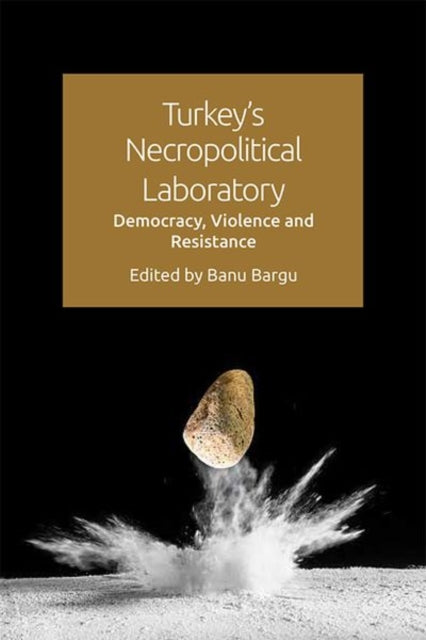
Turkey's Necropolitical Laboratory: Democracy, Violence and Resistance
Turkey's Necropolitical Laboratory: Democracy, Violence and Resistance
YOU SAVE £7.25
- Condition: Brand new
- UK Delivery times: Usually arrives within 2 - 3 working days
- UK Shipping: Fee starts at £3.89. Subject to product weight & dimension
Bulk ordering. Want 15 or more copies? Get a personalised quote and bigger discounts. Learn more about bulk orders.
Couldn't load pickup availability
- More about Turkey's Necropolitical Laboratory: Democracy, Violence and Resistance
These essays explore how the Turkish regime controls its citizens through physical destruction, structural violence, and exposure, with 12 case studies covering counterinsurgency warfare, enforced disappearances, cemeteries, monuments, prisons, courts, and the army.
Format: Paperback / softback
Length: 296 pages
Publication date: 31 August 2021
Publisher: Edinburgh University Press
These essays delve into the intricate ways in which the Turkish regime exercises control over its citizens, employing a range of tactics that encompass physical destruction, structural violence, and exposure. Building upon critical and contemporary theory, they offer a comprehensive examination of the various mechanisms employed by the Turkish government to maintain dominance and suppress dissent.
The 12 case studies presented in this collection provide a rich and detailed account of the strategies employed by the Turkish regime. These case studies encompass a diverse array of topics, including counterinsurgency warfare, enforced disappearances, cemeteries, monuments, prisons, courts, and the army. Each study offers a unique perspective on the ways in which the Turkish government has sought to control and manipulate its citizens, employing a combination of coercion, intimidation, and propaganda to maintain its grip on power.
One of the most striking features of the Turkish regime's control tactics is its use of physical destruction. Throughout the country, the government has demolished countless buildings, structures, and monuments that are considered symbols of opposition or dissent. This includes the destruction of historic mosques, churches, and synagogues, as well as the removal of statues and plaques commemorating individuals and events that are viewed as critical of the regime. The physical destruction of these symbols serves to erode the sense of identity and history that is shared by the Turkish people, and to reinforce the regime's message that it is the sole legitimate authority government in the country.
In addition to physical destruction, the Turkish regime employs structural violence to maintain control over its citizens. This refers to the systematic and deliberate use of government policies, institutions, and practices to undermine the social, economic, and political rights. For example, the government has implemented policies that restrict the freedom of speech and expression, and has cracked down on political opposition and civil society organizations. These policies have created a climate of fear and repression, making it difficult for citizens to express their opinions and engage in political activity without fear of reprisal.
Another tactic employed by the Turkish regime is exposure. This involves exposing citizens to harmful and toxic substances, such as air pollution, water pollution, and chemical weapons. The government has been accused of using these substances to target opposition groups and to suppress dissent, particularly during periods of political unrest. The exposure of citizens to these harmful substances has had a devastating impact on their health and well-being, and has contributed to a decline in public health and a rise in mortality rates.
The case studies presented in this collection also highlight the role of the army in the Turkish regime's control tactics. The army has been used to suppress dissent and to maintain order. This includes the use of force to disperse protests, the arrest and detention of political activists and civil society society, and the use of torture and other forms of violence to intimidate and coerce citizens. The army has also been involved in the destruction of buildings and structures that are considered symbols of opposition or dissent, and has been accused of engaging in human rights.
In conclusion, these essays provide a powerful and compelling account of the ways in which the Turkish regime exercises control over its citizens, employing a range of tactics that encompass physical destruction, structural violence, and exposure. The 12 case studies presented in this collection offer a rich and detailed account of the strategies employed by the Turkish government to maintain dominance and suppress dissent. These case studies encompass a diverse array of topics, including counterinsurgency warfare, enforced disappearances, cemeteries, monuments, prisons, courts, and the army. Each study offers a unique perspective on the ways in which the Turkish government has sought to control and manipulate its citizens, employing a combination of coercion, intimidation, and propaganda to maintain its grip on power. The physical destruction of these symbols serves to erode the sense of identity and history that is shared by the Turkish people, and to reinforce the regime's message that it is the sole legitimate government in the country. In addition to physical destruction, the Turkish regime employs structural violence to maintain control over its citizens. This refers to the systematic and deliberate use of government policies, institutions, and practices to undermine the social, economic, and political. For example, the government has implemented policies that restrict the freedom of speech and expression, and has cracked down on political opposition and civil society organizations. These policies have created a climate of fear and repression, making it difficult for citizens to express their opinions and engage in political activity without fear of reprisal.
Another tactic employed by the Turkish regime is exposure. This involves exposing citizens to harmful and toxic substances, such as air pollution, water pollution, and chemical weapons. The government has been accused of using these substances to target opposition groups and to suppress dissent, particularly during periods of political unrest. The exposure of citizens to these harmful substances has had a devastating impact on their health and well-being, and has contributed to a decline in public health and a rise in mortality rates.
The case studies presented in this collection also highlight the role. The army has been used to suppress dissent and to maintain. This includes the use of force. This includes the use of force to disperse protests, the arrest and detention of political activists and civil society. The army has also been involved in the destruction of buildings and structures that are considered symbols of opposition or dissent, and has been accused of engaging in human rights.
In conclusion, these essays provide a powerful and compelling account of the ways in which the Turkish regime exercises control over its citizens, employing a range of tactics that encompass physical destruction, structural violence, and exposure. The 12 case studies presented in this collection offer a rich and detailed account of the strategies employed by the Turkish government to maintain dominance and suppress dissent. These case studies encompass a diverse array of topics, including counterinsurgency warfare, enforced disappearances, cemeteries, monuments, prisons, courts, and the army. Each study offers a unique perspective on the ways in which the Turkish government has sought to control and manipulate its citizens, employing a combination of coercion, intimidation, and propaganda to maintain its grip on power. The physical destruction of these symbols serves to erode the sense of identity and history that is shared by the Turkish people, and to reinforce the regime's message that it is the sole legitimate government in the country. In addition to physical destruction, the Turkish regime employs structural violence to maintain control over its citizens. This refers to the systematic and deliberate use of government policies, institutions, and practices to undermine the social, economic, and political. For example, the government has implemented policies that restrict the freedom of speech and expression, and has cracked down on political opposition and civil society organizations. These policies have created a climate of fear and repression, making it difficult for citizens to express their opinions and engage in political activity without fear of reprisal.
Another tactic employed by the Turkish regime. This involves exposing citizens to harmful and toxic substances, such as air pollution, water pollution, and chemical weapons. The government has been accused of using these substances to target opposition groups and to suppress dissent, particularly during periods of political unrest. The exposure of citizens to these harmful substances has had a devastating impact on their health and well-being, and has contributed to a decline in public health and a rise in mortality rates.
The case studies presented in this collection also highlight the role. The army has been used to suppress dissent and to maintain. This includes the use. This includes the use of force. This includes the use of force to disperse protests, the arrest and detention of political activists and civil society organizations. The army has also been involved in the destruction of buildings and structures that are considered symbols of opposition or dissent, and has been accused of engaging in human rights.
In conclusion, these essays provide a powerful and compelling account of the ways in which the Turkish regime exercises control over its citizens, employing a range of tactics that encompass physical destruction, structural violence, and exposure. The 12 case studies presented in this collection offer a rich and detailed account of the strategies employed by the Turkish government to maintain dominance and suppress dissent. These case studies encompass a diverse array of topics, including counterinsurgency warfare, enforced disappearances, cemeteries, monuments, prisons, courts, and the army. Each study offers a unique perspective on the ways in which the Turkish government has sought to control and manipulate its citizens, employing a combination of coercion, intimidation, and propaganda to maintain its grip on power. The physical destruction of these symbols serves to erode the sense of identity and history that is shared by the Turkish people, and to reinforce the regime's message that it is the sole legitimate government in the country. In addition to physical destruction, the Turkish regime employs structural violence to maintain control over its citizens. This refers to the systematic and deliberate use of government policies, institutions, and practices to undermine the social, economic, and political. For example, the government has implemented policies that restrict the freedom of speech and expression, and has cracked down on political opposition and civil society organizations. These policies have created a climate of fear and repression, making it difficult for citizens to express their opinions and engage in political activity without fear of reprisal.
Another tactic employed by the Turkish regime. This involves exposing citizens to harmful and toxic substances, such as air pollution, water pollution, and chemical weapons. The government has been accused of using these substances to target opposition groups and to suppress dissent, particularly during periods of political unrest. The exposure of citizens to these harmful substances has had a devastating impact on their health and well-being, and has contributed to a decline in public health and a rise in mortality rates.
The case studies presented in this collection also highlight the role of the army in the Turkish regime's control tactics. The army has been used to suppress dissent and to maintain. This includes the use. This includes the use of force to disperse protests, the arrest and detention of political activists and civil society organizations. The army has also been involved in the destruction of buildings and structures that are considered symbols of opposition or dissent, and has been accused of engaging in human rights.
In conclusion, these essays provide a powerful and compelling account of the ways in which the Turkish regime exercises control over its citizens, employing a range of tactics that encompass physical destruction, structural violence, and exposure. The 12 case studies presented in this collection offer a rich and detailed account of the strategies employed by the Turkish government to maintain dominance and suppress dissent. These case studies encompass a diverse array of topics, including counterinsurgency warfare, enforced disappearances, cemeteries, monuments, prisons, courts, and the army. Each study offers a unique perspective on the ways in which the Turkish government has sought to control and manipulate its citizens, employing a combination of coercion, intimidation, and propaganda to maintain its grip on power. The physical destruction of these symbols serves to erode the sense of identity and history that is shared by the Turkish people, and to reinforce the regime's message that it is the sole legitimate government in the country. In addition to physical destruction, the Turkish regime employs structural violence to maintain control over its citizens. This refers to the systematic and deliberate use of government policies, institutions, and practices to undermine the social, economic, and political. For example, the government has implemented policies that restrict the freedom of speech and expression, and has cracked down on political opposition and civil society organizations. These policies have created a climate of fear and repression, making it difficult for citizens to express their opinions and engage in political activity without fear of reprisal.
Another tactic employed by the Turkish regime. This involves exposing citizens to harmful and toxic substances, such as air pollution, water pollution, and chemical weapons. The government has been accused of using these substances to target opposition groups and to suppress dissent, particularly during periods of political unrest. The exposure of citizens to these harmful substances has had a devastating impact on their health and well-being, and has contributed to a decline in public health and a rise in mortality rates.
The case studies presented in this collection also highlight the role of the army in the Turkish regime's control tactics. The army has been used to suppress dissent and to maintain. This includes the use. This includes the use of force to disperse protests, the arrest and detention of political activists and civil society organizations. The army has also been involved in the destruction of buildings and structures that are considered symbols of opposition or dissent, and has been accused of engaging in human rights
In conclusion, these essays provide a powerful and compelling account of the ways in which the Turkish regime exercises control over its citizens, employing a range of tactics that encompass physical destruction, structural violence, and exposure. The 12 case studies presented in this collection offer a rich and detailed account of the strategies employed by the Turkish government to maintain dominance and suppress dissent. These case studies encompass a diverse array of topics, including counterinsurgency warfare, enforced disappearances, cemeteries, monuments, prisons, courts, and the army. Each study offers a unique perspective on the ways in which the Turkish government has sought to control and manipulate its citizens, employing a combination of coercion, intimidation, and propaganda to maintain its grip on power. The physical destruction of these symbols serves to erode the sense of identity and history that is shared by the Turkish people, and to reinforce the regime's message that it is the sole legitimate government in the country. In addition to physical destruction, the Turkish regime employs structural violence to maintain control over its citizens. This refers to the systematic and deliberate use of government policies, institutions, and practices to undermine the social, economic, and political. For example, the government has implemented policies that restrict the freedom of speech and expression, and has cracked down on political opposition and civil society organizations. These policies have created a climate of fear and repression, making it difficult for citizens to express their opinions and engage in political activity without fear of reprisal.
Another tactic employed by the Turkish regime. This involves exposing citizens to harmful and toxic substances, such as air pollution, water pollution, and chemical weapons. The government has been accused of using these substances to target opposition groups and to suppress dissent, particularly during periods of political unrest. The exposure of citizens to these harmful substances has had a devastating impact on their health and well-being, and has contributed to a decline in public health and a rise in mortality rates.
The case studies presented in this collection also highlight the role of the army in the Turkish regime's control tactics. The army has been used to suppress dissent and to maintain. This includes the use. This includes the use of force to disperse protests, the arrest and detention of political activists and civil society organizations. The army has also been involved in the destruction of buildings and structures that are considered symbols of opposition or dissent, and has been accused of engaging in human rights.
In conclusion, these essays provide a powerful and compelling account of the ways in which the Turkish regime exercises control over its citizens, employing a range of tactics that encompass physical destruction, structural violence, and exposure. The 12 case studies presented in this collection offer a rich and detailed account of the strategies employed by the Turkish government to maintain dominance and suppress dissent. These case studies encompass a diverse array of topics, including counterinsurgency warfare, enforced disappearances, cemeteries, monuments, prisons, courts, and the army. Each study offers a unique perspective on the ways in which the Turkish government has sought to control and manipulate its citizens, employing a combination of coercion, intimidation, and propaganda to maintain its grip on power. The physical destruction of these symbols serves to erode the sense of identity and history that is shared by the Turkish people, and to reinforce the regime's message that it is the sole legitimate government in the country. In addition to physical destruction, the Turkish regime employs structural violence to maintain control over its citizens. This refers to the systematic and deliberate use of government policies, institutions, and practices to undermine the social, economic, and political. For example, the government has implemented policies that restrict the freedom of speech and expression, and has cracked down on political opposition and civil society organizations. These policies have created a climate of fear and repression, making it difficult for citizens to express their opinions and engage in political activity without fear of reprisal.
Another tactic employed by the Turkish regime. This involves exposing citizens to harmful and toxic substances, such as air pollution, water pollution, and chemical weapons. The government has been accused of using these substances to target opposition groups and to suppress dissent, particularly during periods of political unrest. The exposure of citizens to these harmful substances has had a devastating impact on their health and well-being, and has contributed to a decline in public health and a rise in mortality rates.
The case studies presented in this collection also highlight the role of the army in the Turkish regime's control tactics. The army has been used to suppress dissent and to maintain. This includes the use. This includes the use of force to disperse protests, the arrest and detention of political activists and civil society organizations. The army has also been involved in the destruction of buildings and structures that are considered symbols of opposition or dissent, and has been accused of engaging in human rights.
In conclusion, these essays provide a powerful and compelling account of the ways in which the Turkish regime exercises control over its citizens, employing a range of tactics that encompass physical destruction, structural violence, and exposure. The 12 case studies presented in this collection offer a rich and detailed account of the strategies employed by the Turkish government to maintain dominance and suppress dissent. These case studies encompass a diverse array of topics, including counterinsurgency warfare, enforced disappearances, cemeteries, monuments, prisons, courts, and the army. Each study offers a unique perspective on the ways in which the Turkish government has sought to control and manipulate its citizens, employing a combination of coercion, intimidation, and propaganda to maintain its grip on power. The physical destruction of these symbols serves to erode the sense of identity and history that is shared by the Turkish people, and to reinforce the regime's message that it is the sole legitimate government in the country. In addition to physical destruction, the Turkish regime employs structural violence to maintain control over its citizens. This refers to the systematic and deliberate use of government policies, institutions, and practices to undermine the social, economic, and political. For example, the government has implemented policies that restrict the freedom of speech and expression, and has cracked down on political opposition and civil society organizations. These policies have created a climate of fear and repression, making it difficult for citizens to express their opinions and engage in political activity without fear of reprisal.
Another tactic employed by the Turkish regime. This involves exposing citizens to harmful and toxic substances, such as air pollution, water pollution, and chemical weapons. The government has been accused of using these substances to target opposition groups and to suppress dissent, particularly during periods of political unrest. The exposure of citizens to these harmful substances has had a devastating impact on their health and well-being, and has contributed to a decline in public health and a rise in mortality rates.
The case studies presented in this collection also highlight the role of the army in the Turkish regime's control tactics. The army has been used to suppress dissent and to maintain. This includes the use. This includes the use of force to disperse protests, the arrest and detention of political activists and civil society organizations. The army has also been involved in the destruction of buildings and structures that are considered symbols of opposition or dissent, and has been accused of engaging in human rights.
In conclusion, these essays provide a powerful and compelling account of the ways in which the Turkish regime exercises control over its citizens, employing a range of tactics that encompass physical destruction, structural violence, and exposure. The 12 case studies presented in this collection offer a rich and detailed account of the strategies employed by the Turkish government to maintain dominance and suppress dissent. These case studies encompass a diverse array of topics, including counterinsurgency warfare, enforced disappearances, cemeteries, monuments, prisons, courts, and the army. Each study offers a unique perspective on the ways in which the Turkish government has sought to control and manipulate its citizens, employing a combination of coercion, intimidation, and propaganda to maintain its grip on power. The physical destruction of these symbols serves to erode the sense of identity and history that is shared by the Turkish people, and to reinforce the regime's message that it is the sole legitimate government in the country. In addition to physical destruction, the Turkish regime employs structural violence to maintain control over its citizens. This refers to the systematic and deliberate use of government policies, institutions, and practices to undermine the social, economic, and political. For example, the government has implemented policies that restrict the freedom of speech and expression, and has cracked down on political opposition and civil society organizations. These policies have created a climate of fear and repression, making it difficult for citizens to express their opinions and engage in political activity without fear of reprisal.
Another tactic employed by the Turkish regime. This involves exposing citizens to harmful and toxic substances, such as air pollution, water pollution, and chemical weapons. The government has been accused of using these substances to target opposition groups and to suppress dissent, particularly during periods of political unrest. The exposure of citizens to these harmful substances has had a devastating impact on their health and well-being, and has contributed to a decline in public health and a rise in mortality rates.
The case studies presented in this collection also highlight the role of the army in the Turkish regime's control tactics. The army has been used to suppress dissent and to maintain. This includes the use. This includes the use of force to disperse protests, the arrest and detention of political activists and civil society organizations. The army has also been involved in the destruction of buildings and structures that are considered symbols of opposition or dissent, and has been accused of engaging in human rights.
Weight: 417g
Dimension: 234 x 156 x 16 (mm)
ISBN-13: 9781474450270
UK and International shipping information
UK and International shipping information
We deliver throughout the United Kingdom and to 128 countries and territories worldwide, including the United States, Australia, Canada, Germany, Spain and France.