Shulph Ink
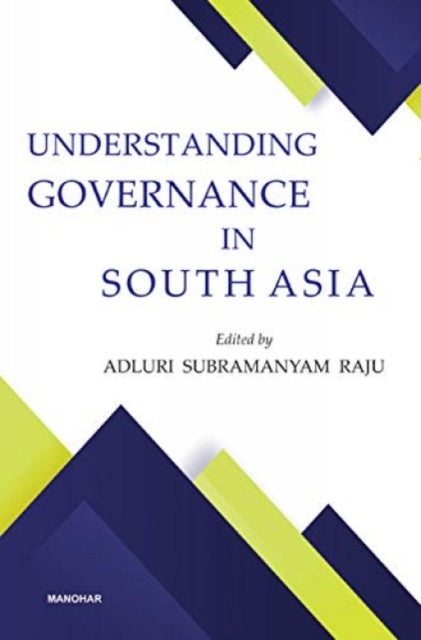
Understanding Governance in South Asia
Understanding Governance in South Asia
💎 Earn 316 Points (£3.16) on this item.
- Condition: Brand new
- UK Delivery times: Usually arrives within 2 - 3 working days
- UK Shipping: Fee starts at £2.39. Subject to product weight & dimension
Bulk ordering. Want 15 or more copies? Get a personalised quote and bigger discounts. Learn more about bulk orders.
Couldn't load pickup availability
- More about Understanding Governance in South Asia
Good governance in South Asia faces challenges due to ethnocentricity, regional disparities, and rural-urban divisions. Reforms are needed to reduce poverty and ensure development, as poor governance has led to lack of development and continuance of poverty. Despite similar objectives, structures, value systems, cultures, and standards of governance, South Asian countries have different forms of government.
Format: Hardback
Length: 304 pages
Publication date: 15 September 2023
Publisher: Manohar Publishers and Distributors
Good governance in South Asia faces significant challenges at the implementation level due to ethnocentricity, regional disparities, the division between poor and rich, and rural and urban division among the people. While concepts such as decentralization, citizen engagement, lean public service, privatization, autonomy, and public-private partnership may work well in developed countries, they may not produce the same results in the region where the majority of poor people expect their government to fulfill their basic needs. Governance in South Asia needs to be reformed to ensure that poverty can be reduced, if not completely eradicated. Poor governance and the various means by which governance has fallen short have led to a lack of development and continuance of poverty in South Asian societies. Despite different forms of government, South Asian countries have more or less similar objectives, structures, value systems, cultures, and standards of governance.
One of the key challenges in South Asia is the ethnocentricity of governance. This refers to the tendency of governments to prioritize the interests of their own ethnic group or region over those of other groups or regions. This can lead to discrimination, inequality, and social unrest. For example, in India, the government has been accused of favoring certain ethnic groups over others in terms of access to education, healthcare, and employment. This has led to a significant gap between the rich and the poor and has contributed to the country's high levels of poverty.
Regional disparities are another major challenge in South Asia. The region is home to a wide range of countries, each with its own unique set of economic, social, and political characteristics. This can lead to differences in the level of development and the quality of life of the people. For example, in Bangladesh, the government has been successful in reducing poverty through the implementation of various social welfare programs. However, the country still faces significant challenges in terms of infrastructure, education, and healthcare.
The division between poor and rich is another major challenge in South Asia. The region is home to a large number of poor people who live in rural and urban areas. These people face a range of challenges, including lack of access to education, healthcare, and employment. This can lead to social unrest and political instability. For example, in Nepal, the government has been successful in reducing poverty through the implementation of various social welfare programs. However, the country still faces significant challenges in terms of infrastructure, education, and healthcare.
Rural and urban division is another major challenge in South Asia. The region is home to a large number of rural and urban areas. These areas have different characteristics and needs. For example, in India, the government has been successful in reducing poverty through the implementation of various social welfare programs. However, the country still faces significant challenges in terms of infrastructure, education, and healthcare in rural areas.
To address these challenges, South Asian countries need to implement a range of reforms. These reforms should include decentralization, citizen engagement, lean public service, privatization, autonomy, and public-private partnership. Decentralization involves the transfer of power and responsibility from the central government to local governments. This can help to reduce the level of corruption and improve the quality of service delivery. Citizen engagement involves the participation of the people in the decision-making process. This can help to ensure that the government is responsive to the needs of the people. Lean public service involves the reduction of bureaucracy and the improvement of the efficiency of the government. Privatization involves the transfer of government services to the private sector. Autonomy involves the granting of greater autonomy to local governments. Public-private partnership involves the collaboration of the government and the private sector to achieve common goals.
However, implementing these reforms can be challenging. Many South Asian countries have a history of corruption and political instability. This can make it difficult for the government to implement reforms. Additionally, many South Asian countries have a large number of poor people who are unable to access education, healthcare, and employment. This can make it difficult for the government to reduce poverty.
In conclusion, good governance in South Asia faces significant challenges at the implementation level due to ethnocentricity, regional disparities, the division between poor and rich, and rural and urban division among the people. To address these challenges, South Asian countries need to implement a range of reforms. These reforms should include decentralization, citizen engagement, lean public service, privatization, autonomy, and public-private partnership. However, implementing these reforms can be challenging. It is important for the international community to support South Asian countries in their efforts to reduce poverty and improve governance.
Weight: 504g
Dimension: 147 x 225 x 23 (mm)
ISBN-13: 9789390035045
This item can be found in:
UK and International shipping information
UK and International shipping information
UK Delivery and returns information:
- Delivery within 2 - 3 days when ordering in the UK.
- Shipping fee for UK customers from £2.39. Fully tracked shipping service available.
- Returns policy: Return within 30 days of receipt for full refund.
International deliveries:
Shulph Ink now ships to Australia, Belgium, Canada, France, Germany, Ireland, Italy, India, Luxembourg Saudi Arabia, Singapore, Spain, Netherlands, New Zealand, United Arab Emirates, United States of America.
- Delivery times: within 5 - 10 days for international orders.
- Shipping fee: charges vary for overseas orders. Only tracked services are available for most international orders. Some countries have untracked shipping options.
- Customs charges: If ordering to addresses outside the United Kingdom, you may or may not incur additional customs and duties fees during local delivery.