Shulph Ink
Understanding Scotland Musically: Folk, Tradition and Policy
Understanding Scotland Musically: Folk, Tradition and Policy
💎 Earn 226 Points (£2.26) on this item.
We can order this item for you. Delivery usually takes about 4 to 6 weeks.
This item is not held in our immediate stock. We will order it for you after checkout.
Estimated delivery: About 4 to 6 weeks
YOU SAVE £2.69
- Condition: Brand new
- UK Delivery times: Usually arrives within 2 - 3 working days
- UK Shipping: Fee starts at £2.39. Subject to product weight & dimension
Bulk ordering. Want 15 or more copies? Get a personalised quote and bigger discounts. Learn more about bulk orders.
Couldn't load pickup availability
- More about Understanding Scotland Musically: Folk, Tradition and Policy
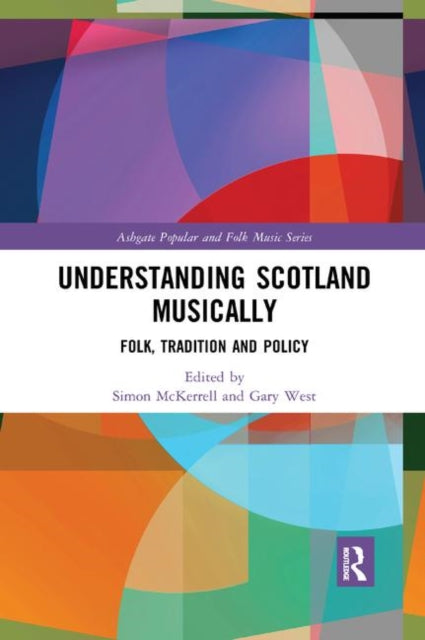
Scottish traditional music has undergone a revival in the mid-twentieth century and has entered a professionalized and public space. The UK's Devolution and the independence referendum in Scotland in 2014 have led to a greater scrutiny of regional and national identities. This volume explores the increasingly plural and complex notions of Scotland as performed in and through traditional music, moving from historically text-bound musical authenticity to more transient sonic identities.
Format: Paperback / softback
Length: 290 pages
Publication date: 12 December 2019
Publisher: Taylor & Francis Ltd
Scottish traditional music experienced a remarkable revival in the mid-twentieth century, transitioning into a professionalized and widely embraced realm. This revival was fueled by the devolution process in the United Kingdom and the heightened political discourse surrounding the independence referendum in Scotland in 2014, which brought attention to regional and national identities within the UK. Situated within the broader context of cultural globalization, this volume brings together a diverse array of authors who aim to explore the evolving and intricate conceptions of Scotland as expressed through traditional music.
In recent years, traditional music has assumed an increasingly prominent position in the public sphere of Scotland, mirroring similar trends in other Anglo-American traditions. This collection primarily delves into the transition from historically text-bound musical authenticity to more transient sonic identities that are blurring established musical genres and redefining the notion of what constitutes "traditional music" in contemporary times. The volume offers a comprehensive and cohesive set of perspectives on how traditional music contributes to the performance of Scottishness at a pivotal moment in the public life of an increasingly (dis)united Kingdom.
The revival of Scottish traditional music in the mid-twentieth century was driven by various factors. One significant catalyst was the cultural awakening that followed World War II, which led to a renewed interest in traditional arts and music. This period also saw the rise of folk music festivals and the establishment of folk music societies, which provided platforms for musicians to perform and promote their music. Additionally, the influence of Scottish Gaelic music on traditional Scottish music was significant, with many musicians incorporating Gaelic melodies and rhythms into their compositions.
The professionalization of Scottish traditional music in the mid-twentieth century was a result of the efforts of musicians, musicologists, and cultural activists. They worked to establish music schools, conservatories, and recording studios, which provided training and opportunities for musicians to develop their skills and reach a wider audience. The establishment of the Scottish Traditional Music Society in 1950 was a pivotal milestone in this process, as it provided a platform for musicians to collaborate, share ideas, and promote their music.
The public reception of Scottish traditional music has been mixed. While some enthusiasts have embraced it as a symbol of Scottish identity and heritage, others have viewed it as outdated and irrelevant. However, the popularity of traditional music has continued to grow in recent years, with festivals and events attracting large audiences and musicians from around the world. This growth has been fueled by the increasing recognition of the cultural value of traditional music and the recognition of its role in promoting social and cultural diversity.
In conclusion, Scottish traditional music has undergone a remarkable revival in the mid-twentieth century, transitioning from a marginalized and obscure art form to a professionalized and widely embraced realm. This revival was fueled by various factors, including the cultural awakening
awakening, the rise. The professionalization of traditional music was driven by the efforts of musicians, musicologists, and cultural activists, who worked to establish music schools. The public reception of traditional music has been mixed, with some enthusiasts embracing it as a symbol of Scottish identity and heritage, while others have viewed it as outdated and irrelevant. However, the popularity of traditional music has continued to grow in recent years, with festivals and events attracting large audiences and musicians from around the world. This growth has been fueled by the increasing recognition of the cultural value of traditional music and its role in promoting social and cultural diversity.
Weight: 474g
Dimension: 156 x 232 x 23 (mm)
ISBN-13: 9780367884192
UK and International shipping information
UK and International shipping information
UK Delivery and returns information:
- Delivery within 2 - 3 days when ordering in the UK.
- Shipping fee for UK customers from £2.39. Fully tracked shipping service available.
- Returns policy: Return within 30 days of receipt for full refund.
International deliveries:
Shulph Ink now ships to Australia, Belgium, Canada, France, Germany, Ireland, Italy, India, Luxembourg Saudi Arabia, Singapore, Spain, Netherlands, New Zealand, United Arab Emirates, United States of America.
- Delivery times: within 5 - 10 days for international orders.
- Shipping fee: charges vary for overseas orders. Only tracked services are available for most international orders. Some countries have untracked shipping options.
- Customs charges: If ordering to addresses outside the United Kingdom, you may or may not incur additional customs and duties fees during local delivery.