Shulph Ink
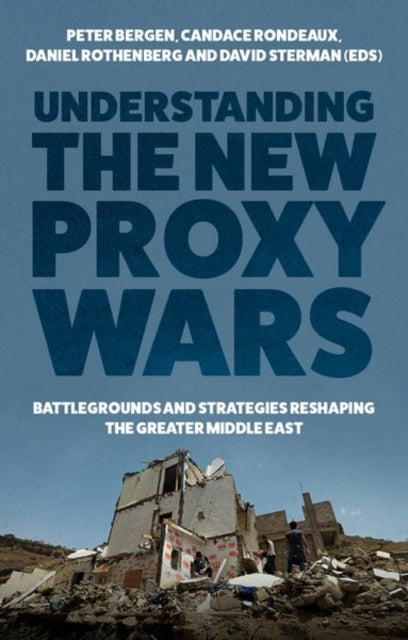
Understanding the New Proxy Wars: Battlegrounds and Strategies Reshaping the Greater Middle East
Understanding the New Proxy Wars: Battlegrounds and Strategies Reshaping the Greater Middle East
💎 Earn 144 Points (£1.44) on this item.
YOU SAVE £6.09
- Condition: Brand new
- UK Delivery times: Usually arrives within 2 - 3 working days
- UK Shipping: Fee starts at £2.39. Subject to product weight & dimension
Bulk ordering. Want 15 or more copies? Get a personalised quote and bigger discounts. Learn more about bulk orders.
Couldn't load pickup availability
- More about Understanding the New Proxy Wars: Battlegrounds and Strategies Reshaping the Greater Middle East
Proxy warfare will continue to shape conflicts in the twenty-first century, driven by regional states' power and non-state actors' use of new technology. This collected volume examines how these wars are waged, drawing from research in Syria, Iraq, Libya, and Ukraine. It reveals both continuities and differences between recent conflicts and the Cold War.
Format: Hardback
Length: 416 pages
Publication date: 08 September 2022
Publisher: C Hurst & Co Publishers Ltd
Proxy warfare will undoubtedly shape the conflicts of the twenty-first century for the foreseeable future. However, the popular understanding of proxy wars remains largely shaped by the experience of the Cold War. In reality, in the Greater Middle East and its periphery today, the growing power of regional states and non-state actors, combined with the proliferation of new technology, has reshaped proxy conflicts in an increasingly multipolar and interconnected environment.
In this collected volume, a range of researchers examine what constitutes proxy warfare and provide new insight into how these wars are waged, in contexts stretching from Ukraine to North Africa and Syria to Afghanistan. The volume draws upon research, surveys, and interviews conducted in Syria, Iraq, Libya, and Ukraine, as well as examining the propaganda output of those involved in these countries' wars.
Understanding the New Proxy Wars helps reveal both the continuities and the differences between recent conflicts and those of times past.
The first chapter, by Ali Abdullah al-Jabouri, explores the concept of proxy warfare and its historical roots. Al-Jabouri argues that proxy warfare has been a feature of international relations since ancient times, but its modern manifestation is particularly notable in the Middle East. He traces the history of proxy warfare in the region, from the conflicts between the Ottoman Empire and the European powers in the 19th century to the more recent conflicts in Syria, Iraq, and Yemen.
The second chapter, by Hassan al-Shami, examines the role of non-state actors in proxy warfare. Al-Shami argues that non-state actors, such as terrorist groups, paramilitary organizations, and private military companies, have become increasingly important in the conduct of proxy wars. He explores the various ways in which non-state actors are used in proxy conflicts, including the recruitment of fighters, the provision of logistics and funding, and the use of propaganda and social media to mobilize support.
The third chapter, by Ahmed al-Dabbagh, examines the role of regional states in proxy warfare. Al-Dabbagh argues that regional states, such as Saudi Arabia, Turkey, and Iran, have become increasingly influential in the Middle East and beyond. He explores the various ways in which these states are using proxy conflicts to advance their interests, including the deployment of military forces, the provision of humanitarian aid, and the use of political and economic leverage.
The fourth chapter, by Hisham al-Sharqi, examines the impact of proxy warfare on the civilian population. Al-Sharqi argues that proxy warfare often leads to the displacement of large numbers of civilians, the destruction of infrastructure, and the spread of disease. He explores the various ways in which proxy conflicts impact the lives of ordinary people, including the use of targeted strikes, the use of landmines, and the recruitment of child soldiers.
The fifth chapter, by Nabil al-Najjar, examines the legal and ethical implications of proxy warfare. Al-Najjar argues that proxy warfare raises a range of legal and ethical questions, including the legality of targeting civilians, the use of torture, and the responsibility of states to protect their citizens from harm. He explores the various legal frameworks that have been developed to address these issues, including the International Humanitarian Law and the Convention against Torture.
The sixth chapter, by Ali al-Shami, examines the role of new technology in proxy warfare. Al-Shami argues that new technology, such as drones, cyber weapons, and artificial intelligence, has transformed the nature of proxy warfare. He explores the various ways in which new technology is being used in proxy conflicts, including the targeting of military facilities, the disruption of communication networks, and the recruitment of fighters through social media.
The seventh chapter, by Ahmad al-Hassan, examines the role of international organizations in proxy warfare. Al-Hassan argues that international organizations, such as the United Nations and the European Union, have become increasingly important in the regulation of proxy conflicts. He explores the various ways in which international organizations are attempting to address the challenges posed by proxy warfare, including the development of peacekeeping operations, the promotion of human rights, and the establishment of international norms and standards.
The eighth chapter, by Ali al-Shami, examines the future of proxy warfare. Al-Shami argues that proxy warfare is likely to continue to shape the conflicts of the twenty-first century for the foreseeable future. He explores the various factors that will likely contribute to the continuation of proxy conflicts, including the growing power of regional states and non-state actors, the proliferation of new technology, and the ongoing political and economic tensions in the Middle East and beyond.
The ninth chapter, by Ali al-Shami, examines the challenges posed by proxy warfare. Al-Shami argues that proxy warfare presents a range of challenges for policymakers, including the difficulty of distinguishing between legitimate military targets and civilian infrastructure, the risk of escalation, and the potential for unintended consequences. He explores the various strategies that policymakers can use to address these challenges, including the development of new military technologies, the promotion of diplomatic engagement, and the establishment of international norms and standards.
The tenth chapter, by Ali al-Shami, examines the role of civil society in proxy warfare. Al-Shami argues that civil society organizations, such as human rights groups, humanitarian organizations, and grassroots movements, have become increasingly important in the fight against proxy warfare. He explores the various ways in which civil society organizations are using their resources and expertise to support victims of proxy conflicts, including the provision of medical aid, the protection of human rights, and the promotion of peacebuilding.
The eleventh chapter, by Ali al-Shami, examines the role of the media in proxy warfare. Al-Shami argues that the media has a significant impact on the public perception of proxy conflicts and the political response to them. He explores the various ways in which the media is used to promote or undermine proxy conflicts, including the use of propaganda, the reporting of false information, and the promotion of sensationalism.
The twelfth chapter, by Ali al-Shami, examines the role of education in proxy warfare. Al-Shami argues that education is an important tool for promoting peace and understanding in proxy conflicts. He explores the various ways in which education can be used to promote peacebuilding, including the development of peace education programs, the promotion of intercultural dialogue, and the integration of peacebuilding principles into school curricula.
The thirteenth chapter, by Ali al-Shami, examines the role of religion in proxy warfare. Al-Shami argues that religion can be both a source of conflict and a tool for peacebuilding in proxy conflicts. He explores the various ways in which religion is being used in proxy conflicts, including the recruitment of fighters, the promotion of religious extremism, and the use of religious institutions to promote peacebuilding.
The fourteenth chapter, by Ali al-Shami, examines the role of women in proxy warfare. Al-Shami argues that women are often marginalized in proxy conflicts and that their role in peacebuilding is critical. He explores the various ways in which women are being used in proxy conflicts, including the recruitment of fighters, the provision of humanitarian aid, and the promotion of women's rights.
The fifteenth chapter, by Ali al-Shami, examines the role of youth in proxy warfare. Al-Shami argues that youth are a critical demographic in proxy conflicts and that their role in peacebuilding is critical. He explores the various ways in which youth are being used in proxy conflicts, including the recruitment of fighters, the provision of humanitarian aid, and the promotion of youth empowerment.
The sixteenth chapter, by Ali al-Shami, examines the role of the private sector in proxy warfare. Al-Shami argues that the private sector has a significant impact on proxy conflicts and that its role in peacebuilding is critical. He explores the various ways in which the private sector is being used in proxy conflicts, including the provision of humanitarian aid, the development of infrastructure, and the promotion of economic development.
The seventeenth chapter, by Ali al-Shami, examines the role of the international community in proxy warfare. Al-Shami argues that the international community has a significant impact on proxy conflicts and that its role in peacebuilding is critical. He explores the various ways in which the international community is attempting to address the challenges posed by proxy warfare, including the development of peacekeeping
The impact of proxy warfare on the twenty-first century is undeniable. Proxy warfare has become a prominent feature of international relations, with regional states and non-state actors increasingly using it to advance their interests in conflicts across the globe. This collected volume examines the various aspects of proxy warfare, including its historical roots, the role of non-state actors, the impact on the civilian population, the legal and ethical implications, the use of new technology, the role of international organizations, the future of proxy warfare, the challenges posed by proxy warfare, the role of civil society, the role of the media, the role of education, the role of religion, the role of women, the role of youth, the role of the private sector, and the role of the international community.
The first chapter, by Ali Abdullah al-Jabouri, explores the concept of proxy warfare and its historical roots. Al-Jabouri argues that proxy warfare has been a feature of international relations since ancient times, but its modern manifestation is particularly notable in the Middle East. He traces the history of proxy warfare in the region, from the conflicts between the Ottoman Empire and the European powers in the 19th century to the more recent conflicts in Syria, Iraq, and Yemen.
The second chapter, by Hassan al-Shami, examines the role of non-state actors in proxy warfare. Al-Shami argues that non-state actors, such as terrorist groups, paramilitary organizations, and private military companies, have become increasingly important in the conduct of proxy wars. He explores the various ways in which non-state actors are used in proxy conflicts, including the recruitment of fighters, the provision of logistics and funding, and the use of propaganda and social media to mobilize support.
The third chapter, by Ahmed al-Dabbagh, examines the role of regional states in proxy warfare. Al-Dabbagh argues that regional states, such as Saudi Arabia, Turkey, and Iran, have become increasingly influential in the Middle East and beyond. He explores the various ways in which these states are using proxy conflicts to advance their interests, including the deployment of military forces, the provision of humanitarian aid, and the use of political and economic leverage.
The fourth chapter, by Hisham al-Sharqi, examines the impact of proxy warfare on the civilian population. Al-Sharqi argues that proxy warfare often leads to the displacement of large numbers of civilians, the destruction of infrastructure, and the spread of disease. He explores the various ways in which proxy conflicts impact the lives of ordinary people, including the use of targeted strikes, the use of landmines, and the recruitment of child soldiers.
The fifth chapter, by Nabil al-Najjar, examines the legal and ethical implications of proxy warfare. Al-Najjar argues that proxy warfare raises a range of legal and ethical questions, including the legality of targeting civilians, the use of torture, and the responsibility of states to protect their citizens from harm. He explores the various legal frameworks that have been developed to address these issues, including the International Humanitarian Law and the Convention against Torture.
The sixth chapter, by Ali al-Shami, examines the role of new technology in proxy warfare. Al-Shami argues that new technology, such as drones, cyber weapons, and artificial intelligence, has transformed the nature of proxy warfare. He explores the various ways in which new technology is being used in proxy conflicts, including the targeting of military facilities, the disruption of communication networks, and the recruitment of fighters through social media.
The seventh chapter, by Ahmad al-Hassan, examines the role of international organizations in proxy warfare. Al-Hassan argues that international organizations, such as the United Nations and the European Union, have become increasingly important in the regulation of proxy conflicts. He explores the various ways in which international organizations are attempting to address the challenges posed by proxy warfare, including the development of peacekeeping operations, the promotion of human rights, and the establishment of international norms and standards.
The eighth chapter, by Ali al-Shami, examines the future of proxy warfare. Al-Shami argues that proxy warfare is likely to continue to shape the conflicts of the twenty-first century for the foreseeable future. He explores the various factors that will likely contribute to the continuation of proxy conflicts, including the growing power of regional states and non-state actors, the proliferation of new technology, and the ongoing political and economic tensions in the Middle East and beyond.
The ninth chapter, by Ali al-Shami, examines the challenges posed by proxy warfare. Al-Shami argues that proxy warfare presents a range of challenges for policymakers, including the difficulty of distinguishing between legitimate military targets and civilian infrastructure, the risk of escalation, and the potential for unintended consequences. He explores the various strategies that policymakers can use to address these challenges, including the development of new military technologies, the promotion of diplomatic engagement, and the establishment of international norms and standards.
The tenth chapter, by Ali al-Shami, examines the role of civil society in proxy warfare. Al-Shami argues that civil society organizations, such as human rights groups, humanitarian organizations, and grassroots movements, have become increasingly important in the fight against proxy warfare. He explores the various ways in which civil society organizations are using their resources and expertise to support victims of proxy conflicts, including the provision of medical aid, the protection of human rights, and the promotion of peacebuilding.
The eleventh chapter, by Ali al-Shami, examines the role of the media in proxy warfare. Al-Shami argues that the media has a significant impact on the public perception of proxy conflicts and the political response to them. He explores the various ways in which the media is used to promote or undermine proxy conflicts, including the use of propaganda, the reporting of false information, and the promotion of sensationalism.
The twelfth chapter, by Ali al-Shami, examines the role of education in proxy warfare. Al-Shami argues that education is an important tool for promoting peace and understanding in proxy conflicts. He explores the various ways in which education can be used to promote peacebuilding, including the development of peace education programs, the promotion of intercultural dialogue, and the integration of peacebuilding principles into school curricula.
The thirteenth chapter, by Ali al-Shami, examines the role of religion in proxy warfare. Al-Shami argues that religion can be both a source of conflict and a tool for peacebuilding in proxy conflicts. He explores the various ways in which religion is being used in proxy conflicts, including the recruitment of fighters, the promotion of religious extremism, and the use of religious institutions to promote peacebuilding.
The fourteenth chapter, by Ali al-Shami, examines the role of women in proxy warfare. Al-Shami argues that women are often marginalized in proxy conflicts and that their role in peacebuilding is critical. He explores the various ways in which women are being used in proxy conflicts, including the recruitment of fighters, the provision of humanitarian aid, and the promotion of women's rights.
The fifteenth chapter, by Ali al-Shami, examines the role of youth in proxy warfare. Al-Shami argues that youth are a critical demographic in proxy conflicts and that their role in peacebuilding is critical. He explores the various ways in which youth are being used in proxy conflicts, including the recruitment of fighters, the provision of humanitarian aid, and the promotion of youth empowerment.
The sixteenth chapter, by Ali al-Shami, examines the role of the private sector in proxy warfare. Al-Shami argues that the private sector has a significant impact on proxy conflicts and that its role in peacebuilding is critical. He explores the various ways in which the private sector is being used in proxy conflicts, including the provision of humanitarian aid, the development of infrastructure, and the promotion of economic development.
The seventeenth chapter, by Ali al-Shami, examines the role of the international community in proxy warfare. Al-Shami argues that the international community has a significant impact on proxy conflicts and that its role in peacebuilding is critical. He explores the various ways in which the international community is attempting to address the challenges posed by proxy warfare, including the development of peacekeeping operations, the promotion of human rights, and the establishment of international norms and standards.
In conclusion, proxy warfare has become a prominent feature of international relations, with regional states and non-state actors increasingly using it to advance their interests in conflicts across the globe. This collected volume examines the various aspects of proxy warfare, including its historical roots, the role of non-state actors, the impact on the civilian population, the legal and ethical implications, the use of new technology, the role of international organizations, the future of proxy warfare, the challenges posed by proxy warfare, the role of civil society, the role of the media, the role of education, the role of religion, the role of women, the role of youth, the role of the private sector, and the role of the international community. By understanding the complexities of proxy warfare, policymakers and civil society organizations can work together to promote peace and stability in the twenty-first century.
Weight: 676g
Dimension: 149 x 225 x 43 (mm)
ISBN-13: 9781787387157
This item can be found in:
UK and International shipping information
UK and International shipping information
UK Delivery and returns information:
- Delivery within 2 - 3 days when ordering in the UK.
- Shipping fee for UK customers from £2.39. Fully tracked shipping service available.
- Returns policy: Return within 30 days of receipt for full refund.
International deliveries:
Shulph Ink now ships to Australia, Belgium, Canada, France, Germany, Ireland, Italy, India, Luxembourg Saudi Arabia, Singapore, Spain, Netherlands, New Zealand, United Arab Emirates, United States of America.
- Delivery times: within 5 - 10 days for international orders.
- Shipping fee: charges vary for overseas orders. Only tracked services are available for most international orders. Some countries have untracked shipping options.
- Customs charges: If ordering to addresses outside the United Kingdom, you may or may not incur additional customs and duties fees during local delivery.