Blake C. Scott
Unpacked: A History of Caribbean Tourism
Unpacked: A History of Caribbean Tourism
💎 Earn 475 Points (£4.75) on this item.
YOU SAVE £8.84
- Condition: Brand new
- UK Delivery times: Usually arrives within 2 - 3 working days
- UK Shipping: Fee starts at £2.39. Subject to product weight & dimension
Bulk ordering. Want 15 or more copies? Get a personalised quote and bigger discounts. Learn more about bulk orders.
Couldn't load pickup availability
- More about Unpacked: A History of Caribbean Tourism
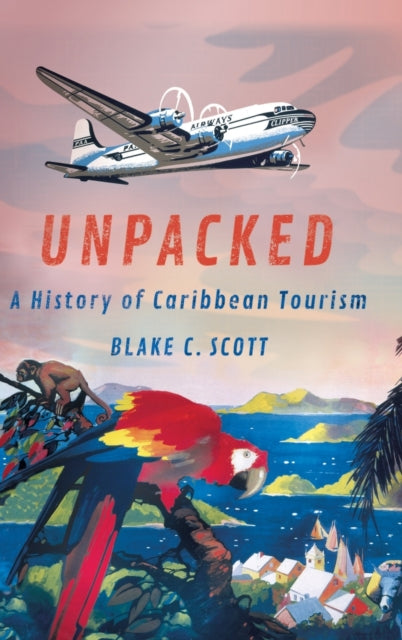
Unpacked provides a critical perspective on the Caribbean's desirability as a tourist paradise, tracing the historical roots of the region's tourism industry from its perception as diseased and dangerous to its current status as a fun and safe experience.
Format: Hardback
Length: 258 pages
Publication date: 25 October 2022
Publisher: Cornell University Press
Unpacked offers a critical and novel perspective on the Caribbean's now-taken-for-granted desirability as a tourist paradise. Dreams of a tropical vacation have become a quintessential aspect of the modern Caribbean, as millions of tourists travel to the region and spend extravagantly to pursue vacation fantasies. At the beginning of the twentieth century, however, travelers from North America and Europe thought of the Caribbean as diseased, dangerous, and, according to many observers, the white man's graveyard. How then did a trip to the Caribbean become a supposedly fun and safe experience?
Unpacked examines the historical roots of the region's tourism industry by following a well-traveled sea route linking the US East Coast with the island of Cuba and the Isthmus of Panama. Blake C. Scott describes how the cultural and material history of US imperialism became the heart of modern Caribbean tourism. In addition, he explores how advances in tropical medicine, perceptions of the tropical environment, and development of infrastructure and transportation networks opened a new playground for visitors.
The Caribbean's transformation from a diseased and dangerous region to a popular tourist destination is a fascinating tale of cultural, material, and medical history. The region's cultural history is deeply intertwined with the history of US imperialism, which played a significant role in shaping its development as a tourist destination. The US's colonial presence in the Caribbean led to the establishment of sugar plantations, which brought millions of enslaved Africans to the region. The plantation economy relied on the labor of these enslaved people, and it also contributed to the spread of diseases such as malaria and yellow fever.
However, as the twentieth century progressed, perceptions of the Caribbean began to change. Advances in tropical medicine, particularly the development of vaccines and treatments for diseases such as malaria and yellow fever, made it safer for travelers to visit the region. Additionally, the development of infrastructure and transportation networks, such as the Panama Canal, made it easier for tourists to reach the Caribbean.
The Caribbean's tropical environment also played a significant role in its transformation into a tourist paradise. The region's warm climate, beautiful beaches, and lush vegetation attracted visitors from around the world. The development of tourism in the Caribbean has led to significant economic growth and development, particularly in countries such as Jamaica, the Bahamas, and the Dominican Republic.
However, Unpacked also raises important questions about the impact of tourism on the Caribbean region. The region's natural resources, such as its beaches and coral reefs, are under threat from overdevelopment and pollution. Additionally, the influx of tourists can have negative impacts on local communities, such as increased crime and poverty.
In conclusion, Unpacked offers a critical and novel perspective on the Caribbean's now-taken-for-granted desirability as a tourist paradise. The book explores the historical roots
roots of the region's tourism industry by following a well-traveled sea route linking the US East Coast with the island of Cuba and the Isthmus of Panama. Blake C. Scott describes how the cultural and material history of US imperialism became the heart of modern Caribbean tourism. In addition, he explores how advances in tropical medicine, perceptions of the tropical environment, and development of infrastructure and transportation networks opened a new playground for visitors.
The Caribbean's transformation from a diseased and dangerous region to a popular tourist destination is a fascinating tale of cultural, material, and medical history. The region's cultural history is deeply intertwined with the history of US imperialism, which played a significant role in shaping its development as a tourist destination. The US's colonial presence in the Caribbean led to the establishment of sugar plantations, which brought millions of enslaved Africans to the region. The plantation economy relied on the labor of these enslaved people, and it also contributed to the spread of diseases such as malaria and yellow fever.
However, as the twentieth century progressed, perceptions of the Caribbean began to change. Advances in tropical medicine, particularly the development of vaccines and treatments for diseases such as malaria and yellow fever, made it safer for travelers to visit the region. Additionally, the development of infrastructure and transportation networks, such as the Panama Canal, made it easier for tourists to reach the Caribbean.
The Caribbean's tropical environment also played a significant role in its transformation into a tourist paradise. The region's warm climate, beautiful beaches, and lush vegetation attracted visitors from around the world. The development of tourism in the Caribbean has led to significant economic growth and development, particularly in countries such as Jamaica, the Bahamas, and the Dominican Republic.
However, Unpacked also raises important questions about the impact of tourism on the Caribbean region. The region's natural resources, such as its beaches and coral reefs, are under threat from overdevelopment and pollution. Additionally, the influx of tourists can have negative impacts on local communities, such as increased crime and poverty.
In conclusion, Unpacked offers a critical and novel perspective on the Caribbean's now-taken-for-granted desirability as a tourist paradise. The book explores the historical roots.
Weight: 28g
Dimension: 229 x 152 (mm)
ISBN-13: 9781501766404
This item can be found in:
UK and International shipping information
UK and International shipping information
UK Delivery and returns information:
- Delivery within 2 - 3 days when ordering in the UK.
- Shipping fee for UK customers from £2.39. Fully tracked shipping service available.
- Returns policy: Return within 30 days of receipt for full refund.
International deliveries:
Shulph Ink now ships to Australia, Belgium, Canada, France, Germany, Ireland, Italy, India, Luxembourg Saudi Arabia, Singapore, Spain, Netherlands, New Zealand, United Arab Emirates, United States of America.
- Delivery times: within 5 - 10 days for international orders.
- Shipping fee: charges vary for overseas orders. Only tracked services are available for most international orders. Some countries have untracked shipping options.
- Customs charges: If ordering to addresses outside the United Kingdom, you may or may not incur additional customs and duties fees during local delivery.