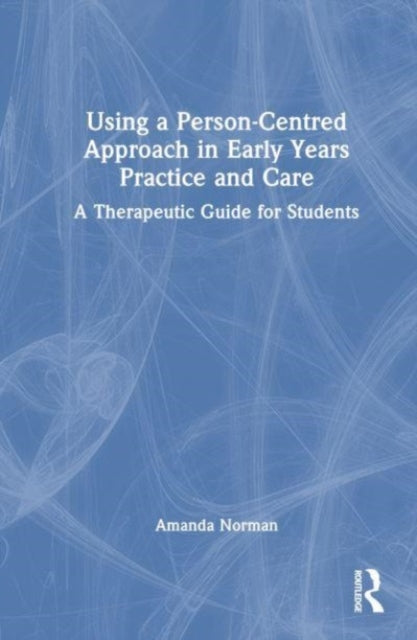
Amanda Norman
Using a Person-Centred Approach in Early Years Practice: A Therapeutic Guide for Students
Using a Person-Centred Approach in Early Years Practice: A Therapeutic Guide for Students
💎 Earn 811 Points (£8.11) on this item.
We can order this item for you. Delivery usually takes about 4 to 6 weeks.
This item is not held in our immediate stock. We will order it for you after checkout.
Estimated delivery: About 4 to 6 weeks
YOU SAVE £9.63
- Condition: Brand new
- UK Delivery times: Usually arrives within 2 - 3 working days
- UK Shipping: Fee starts at £2.39. Subject to product weight & dimension
Bulk ordering. Want 15 or more copies? Get a personalised quote and bigger discounts. Learn more about bulk orders.
Couldn't load pickup availability
- More about Using a Person-Centred Approach in Early Years Practice: A Therapeutic Guide for Students
This book explores the history of Person-Centred Approaches to early years practices, child development, humanistic psychology, and their application to the community, empowering practitioners to support physical and emotional development during the pandemic and beyond.
Format: Hardback
Length: 168 pages
Publication date: 09 August 2023
Publisher: Taylor & Francis Ltd
Early childhood education has undergone significant transformations over the years, driven by a growing recognition of the importance of holistic development in children's lives. One approach that has gained prominence in this field is the Person-Centred Approach, which emphasizes the importance of building strong relationships with children and their families. This approach has been shown to have numerous benefits for children's social, emotional, and cognitive development, as well as their overall well-being.
In this comprehensive book, experts in early childhood education and child development explore the origins and principles of the Person-Centred Approach, its application to contemporary practices in early years, and its potential for empowering practitioners to work collaboratively with parents and colleagues. The book also looks at the application of person-centred approach to the community, emphasizing its role in promoting social inclusion and equity.
One of the key strengths of the Person-Centred Approach is its focus on building strong relationships with children and their families. This approach recognizes that every child is unique and that their development is influenced by a wide range of factors, including their experiences, relationships, and environment. By building trust and respect with children and their families, practitioners can create a supportive and nurturing environment that promotes children's growth and development.
Another important aspect of the Person-Centred Approach is its emphasis on promoting children's physical and emotional development. This approach recognizes that children's physical health is closely linked to their emotional well-being, and that both are essential for children's overall development. By providing children with opportunities to engage in physical activity, explore their environment, and express their emotions, practitioners can help children develop the skills they need to thrive in both the classroom and the wider world.
In addition to its benefits for children's development, the Person-Centred Approach has also been shown to have significant implications for early childhood education practices. By promoting a collaborative and inclusive approach to teaching and learning, practitioners can create a more engaging and effective learning environment for children. This approach can also help to reduce the achievement gap between children from different backgrounds, as it emphasizes the importance of meeting children's individual needs and interests.
Furthermore, the Person-Centred Approach has been shown to be particularly effective in supporting children's emotional and social development during the pandemic and beyond. The pandemic has brought with it a range of challenges, including social isolation, anxiety, and stress, which have impacted children's emotional well-being. By providing children with a safe and supportive environment, practitioners can help them cope with these challenges and develop the resilience they need to thrive in the future.
In conclusion, the Person-Centred Approach to early childhood education is a powerful tool for promoting children's holistic development and well-being. By building strong relationships with children and their families, promoting physical and emotional development, and creating a collaborative and inclusive learning environment, practitioners can help children reach their full potential and thrive in the world. This book is a valuable resource for educators, practitioners, and policymakers who are committed to providing high-quality early childhood education for all children.
Early childhood education has undergone significant transformations over the years, driven by a growing recognition of the importance of holistic development in children's lives. One approach that has gained prominence in this field is the Person-Centred Approach, which emphasizes the importance of building strong relationships with children and their families. This approach has been shown to have numerous benefits for children's social, emotional, and cognitive development, as well as their overall well-being.
In this comprehensive book, experts in early childhood education and child development explore the origins and principles of the Person-Centred Approach, its application to contemporary practices in early years, and its potential for empowering practitioners to work collaboratively with parents and colleagues. The book also looks at the application of person-centred approach to the community, emphasizing its role in promoting social inclusion and equity.
One of the key strengths of the Person-Centred Approach is its focus on building strong relationships with children and their families. This approach recognizes that every child is unique and that their development is influenced by a wide range of factors, including their experiences, relationships, and environment. By building trust and respect with children and their families, practitioners can create a supportive and nurturing environment that promotes children's growth and development.
Another important aspect of the Person-Centred Approach is its emphasis on promoting children's physical and emotional development. This approach recognizes that children's physical health is closely linked to their emotional well-being, and that both are essential for children's overall development. By providing children with opportunities to engage in physical activity, explore their environment, and express their emotions, practitioners can help children develop the skills they need to thrive in both the classroom and the wider world.
In addition to its benefits for children's development, the Person-Centred Approach has also been shown to have significant implications for early childhood education practices. By promoting a collaborative and inclusive approach to teaching and learning, practitioners can create a more engaging and effective learning environment for children. This approach can also help to reduce the achievement gap between children from different backgrounds, as it emphasizes the importance of meeting children's individual needs and interests.
Furthermore, the Person-Centred Approach has been shown to be particularly effective in supporting children's emotional and social development during the pandemic and beyond. The pandemic has brought with it a range of challenges, including social isolation, anxiety, and stress, which have impacted children's emotional well-being. By providing children with a safe and supportive environment, practitioners can help them cope with these challenges and develop the resilience they need to thrive in the future.
In conclusion, the Person-Centred Approach to early childhood education is a powerful tool for promoting children's holistic development and well-being. By building strong relationships with children and their families, promoting physical and emotional development, and creating a collaborative and inclusive learning environment, practitioners can help children reach their full potential and thrive in the world. This book is a valuable resource for educators, practitioners, and policymakers who are committed to providing high-quality early childhood education for all children.
Dimension: 234 x 156 (mm)
ISBN-13: 9781032224251
UK and International shipping information
UK and International shipping information
UK Delivery and returns information:
- Delivery within 2 - 3 days when ordering in the UK.
- Shipping fee for UK customers from £2.39. Fully tracked shipping service available.
- Returns policy: Return within 30 days of receipt for full refund.
International deliveries:
Shulph Ink now ships to Australia, Belgium, Canada, France, Germany, Ireland, Italy, India, Luxembourg Saudi Arabia, Singapore, Spain, Netherlands, New Zealand, United Arab Emirates, United States of America.
- Delivery times: within 5 - 10 days for international orders.
- Shipping fee: charges vary for overseas orders. Only tracked services are available for most international orders. Some countries have untracked shipping options.
- Customs charges: If ordering to addresses outside the United Kingdom, you may or may not incur additional customs and duties fees during local delivery.