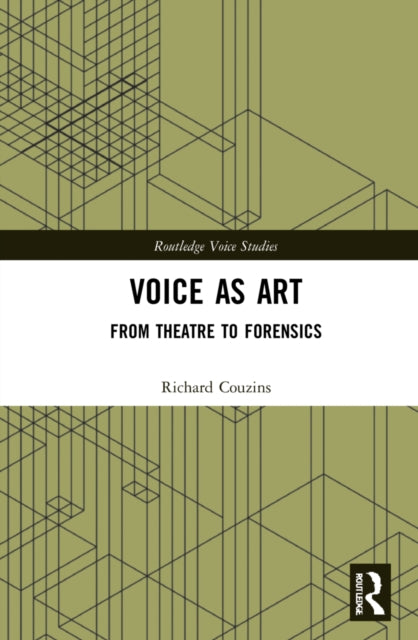
Richard Couzins
Voice as Art: From Theatre to Forensics
Voice as Art: From Theatre to Forensics
💎 Earn 811 Points (£8.11) on this item.
We can order this item for you. Delivery usually takes about 4 to 6 weeks.
This item is not held in our immediate stock. We will order it for you after checkout.
Estimated delivery: About 4 to 6 weeks
YOU SAVE £9.63
- Condition: Brand new
- UK Delivery times: Usually arrives within 2 - 3 working days
- UK Shipping: Fee starts at £2.39. Subject to product weight & dimension
Bulk ordering. Want 15 or more copies? Get a personalised quote and bigger discounts. Learn more about bulk orders.
Couldn't load pickup availability
- More about Voice as Art: From Theatre to Forensics
Voice, art practice, visual culture, and contemporary art audiences are all essential components of contemporary art. They provide artists with a platform to express themselves, engage with audiences, and explore new ideas and perspectives.
Contemporary art is a dynamic and ever-evolving field that encompasses a wide range of artistic practices, including voice, art practice, visual culture, and contemporary art audiences. These components are integral to the art world and provide artists with a platform to express themselves, engage with audiences, and explore new ideas and perspectives.
Format: Hardback
Length: 170 pages
Publication date: 29 April 2022
Publisher: Taylor & Francis Ltd
The art of voice, a captivating and versatile medium, has been captivating audiences for centuries. From ancient times to the present, the power of the human voice has been harnessed to convey emotions, stories, and ideas in a way that is both intimate and powerful.
The art of voice, a captivating and versatile medium, has been captivating audiences for centuries. From ancient times to the present, the power of the human voice has been harnessed to convey emotions, stories, and ideas in a way that is both intimate and powerful.
The voice has the unique ability to evoke a wide range of emotions, from joy and excitement to sadness and melancholy. It can be used to express a wide range of feelings and perspectives, from the personal to the political.
Throughout history, the voice has been used in various forms of art, including music, theater, and poetry. In music, the voice can be used to sing, play an instrument, or perform a spoken word piece. In theater, the voice can be used to convey emotions and dialogue between characters. In poetry, the voice can be used to create a powerful and evocative sense of imagery and emotion.
In contemporary art, the voice has become an increasingly popular medium for artists to explore. Artists are using the voice to create works that are both visually and aurally stimulating. They are using the voice to create works that are both visually and aurally stimulating.
One of the most notable examples of contemporary art that uses the voice is the work of performance artist Marina Abramović. Abramović is known for her use of the body as a medium for art, and her work often involves intense physical and emotional experiences. In her performance piece "The Artist is Present," Abramović sat in a chair in a gallery for three months, inviting visitors to come and sit with her. During the performance, Abramović used her voice to communicate with the visitors, to express her emotions, and to create a sense of intimacy and connection.
Another example of contemporary art that uses the voice is the work of sound artist Max Richter. Richter is known for his use of soundscapes and ambient music to create a sense of calm and relaxation. In his work "The Blue Planet," Richter used the voice to create a sense of awe and wonder at the beauty of the natural world.
In addition to performance and sound art, the voice is also being used in other forms of contemporary art, such as video art and installation art. In video art, the voice can be used to create a sense of narration or dialogue between characters. In installation art, the voice can be used to create a sense of atmosphere or to create a dialogue between the viewer and the artwork.
Overall, the art of voice is a powerful and versatile medium that has been used in various forms of art throughout history. In contemporary art, the voice has become an increasingly popular medium for artists to explore, and it is being used to create works that are both visually and aurally stimulating. As the art of voice continues to evolve and develop, it is likely to continue to captivate audiences for generations to come.
The art of voice, a captivating and versatile medium, has been captivating audiences for centuries. From ancient times to the present, the power of the human voice has been harnessed to convey emotions, stories, and ideas in a way that is both intimate and powerful.
The voice has the unique ability to evoke a wide range of emotions, from joy and excitement to sadness and melancholy. It can be used to express a wide range of feelings and perspectives, from the personal to the political.
Throughout history, the voice has been used in various forms of art, including music, theater, and poetry. In music, the voice can be used to sing, play an instrument, or perform a spoken word piece. In theater, the voice can be used to convey emotions and dialogue between characters. In poetry, the voice can be used to create a powerful and evocative sense of imagery and emotion.
In contemporary art, the voice has become an increasingly popular medium for artists to explore. Artists are using the voice to create works that are both visually and aurally stimulating. They are using the voice to create works that are both visually and aurally stimulating.
One of the most notable examples of contemporary art that uses the voice is the work of performance artist Marina Abramović. Abramović is known for her use of the body as a medium for art, and her work often involves intense physical and emotional experiences. In her performance piece "The Artist is Present," Abramović sat in a chair in a gallery for three months, inviting visitors to come and sit with her. During the performance, Abramović used her voice to communicate with the visitors, to express her emotions, and to create a sense of intimacy and connection.
Another example of contemporary art that uses the voice is the work of sound artist Max Richter. Richter is known for his use of soundscapes and ambient music to create a sense of calm and relaxation. In his work "The Blue Planet," Richter used the voice to create a sense of awe and wonder at the beauty of the natural world.
In addition to performance and sound art, the voice is also being used in other forms of contemporary art, such as video art and installation art. In video art, the voice can be used to create a sense of narration or dialogue between characters. In installation art, the voice can be used to create a sense of atmosphere or to create a dialogue between the viewer and the artwork.
Overall, the art of voice is a powerful and versatile medium that has been used in various forms of art throughout history. In contemporary art, the voice has become an increasingly popular medium for artists to explore, and it is being used to create works that are both visually and aurally stimulating. As the art of voice continues to evolve and develop, it is likely to continue to captivate audiences for generations to come.
Weight: 453g
Dimension: 234 x 156 (mm)
ISBN-13: 9780367367510
This item can be found in:
UK and International shipping information
UK and International shipping information
UK Delivery and returns information:
- Delivery within 2 - 3 days when ordering in the UK.
- Shipping fee for UK customers from £2.39. Fully tracked shipping service available.
- Returns policy: Return within 30 days of receipt for full refund.
International deliveries:
Shulph Ink now ships to Australia, Belgium, Canada, France, Germany, Ireland, Italy, India, Luxembourg Saudi Arabia, Singapore, Spain, Netherlands, New Zealand, United Arab Emirates, United States of America.
- Delivery times: within 5 - 10 days for international orders.
- Shipping fee: charges vary for overseas orders. Only tracked services are available for most international orders. Some countries have untracked shipping options.
- Customs charges: If ordering to addresses outside the United Kingdom, you may or may not incur additional customs and duties fees during local delivery.