Mark Duerksen
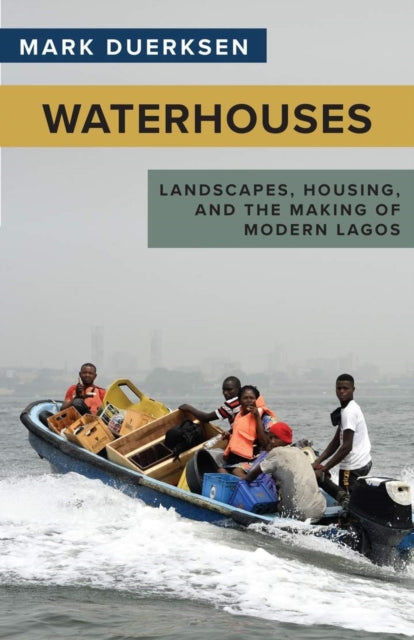
Waterhouses: Landscapes, Housing, and the Making of Modern Lagos
Waterhouses: Landscapes, Housing, and the Making of Modern Lagos
💎 Earn 285 Points (£2.85) on this item.
YOU SAVE £6.88
- Condition: Brand new
- UK Delivery times: Usually arrives within 2 - 3 working days
- UK Shipping: Fee starts at £2.39. Subject to product weight & dimension
Bulk ordering. Want 15 or more copies? Get a personalised quote and bigger discounts. Learn more about bulk orders.
Couldn't load pickup availability
- More about Waterhouses: Landscapes, Housing, and the Making of Modern Lagos
Waterhouses is a sweeping history of urban change in Lagos, Nigeria, that explores how its landscapes of waterways and houses have shaped the modern city. It argues that housing architectures were the single most important social, material, and political instruments for people hoping to contour the city's landscapes and its historical course. The book's chapters encompass six eras and six waterscapes, and it traces the relationship between Lagos's residential spaces and its urban landscapes across the rise, fall, and aftermath of British colonization. It offers urban planners, policy makers, and architects ideas for how the definingly human act of inhabiting a place might be grounded in practices of continuous custodianship rather than extractive possession.
Format: Hardback
Length: 304 pages
Publication date: 27 August 2024
Publisher: Ohio University Press
Lagos, Nigeria, has undergone significant urban change over the past two centuries, and its landscapes of waterways and houses have played a crucial role in shaping the modern city. Waterhouses: The Places the People of Lagos Have Inhabited, Imagined, and Made Home for the Past Two Centuries explores this history and examines how houses in Lagos have been constructed and reconstructed in response to the city's changing landscapes. The book is written for historians of African and Atlantic history, scholars and practitioners of urbanism, and anyone interested in understanding modern Lagos.
The book argues that housing architectures were the single most important social, material, and political instruments for people hoping to contour the city's landscapes and its historical course in the coastlands from which Lagos rose. The forms and meanings of houses in Lagos have shifted dramatically over time, revealing how power, house making, visual perception, and the environment are entangled in modern cities. The book's chapters encompass six eras and six waterscapes: sandbars, canals, swamps, lagoons, oceans, and floods. These spaces guide the book's exploration of how people saw and attempted to remake Lagos's environs in a process that invariably involved housing architectures.
At its core, Lagos is a city built through the materials, relations, and powers contained in the dry, solid, and hospitable spaces of homes, which have long been scarce and culturally celebrated resources in the city's water-constricted setting. While shelter is integral to any city's development, houses have been particularly important and sought after in Lagos. The book explores the various types of houses in Lagos, including traditional houses, modern houses, and slums, and examines the social, economic, and political implications of these housing architectures.
One of the key themes of the book is the impact of colonialism on Lagos's housing architectures. The book argues that colonialism brought new ideas and technologies to Lagos, which led to the development of new housing architectures. These architectures were designed to meet the needs of the colonial government and the European settlers, and they often reflected the values and beliefs of the colonial era. However, the book also argues that colonialism had a negative impact on Lagos's housing architectures, as it led to the displacement of many people from their homes and the destruction of many traditional houses.
The book also explores the role of housing in the development of Lagos's economy. The book argues that housing is a major source of income for many people in Lagos, and it has played a crucial role in the city's growth and development. The book examines the various types of housing markets in Lagos, including the formal housing market, the informal housing market, and the slum housing market. The book also explores the impact of housing on social inequality in Lagos, and it argues that housing is a major contributor to the city's high levels of poverty and inequality.
The book also examines the role of housing in the development of Lagos's culture and identity. The book argues that housing is a central part of Lagos's culture and identity, and it has played a crucial role in shaping the city's social and cultural landscape. The book examines the various types of housing styles in Lagos, including traditional houses, modern houses, and slums, and it explores the ways in which these styles have been influenced by the city's history and culture.
In conclusion, Waterhouses: The Places the People of Lagos Have Inhabited, Imagined, and Made Home for the Past Two Centuries is a sweeping history of urban change in Lagos, Nigeria. The book argues that housing architectures were the single most important social, material, and political instruments for people hoping to contour the city's landscapes and its historical course in the coastlands from which Lagos rose. The book explores the various types of houses in Lagos, including traditional houses, modern houses, and slums, and examines the social, economic, and political implications of these housing architectures. The book also explores the impact of colonialism on Lagos's housing architectures, the role of housing in the development of Lagos's economy, and the role of housing in the development of Lagos's culture and identity. The book is an approachable history of how houses and water have formed modern Lagos and is an essential read for historians of African and Atlantic history, scholars and practitioners of urbanism, and anyone interested in understanding modern Lagos.
Dimension: 216 x 140 (mm)
ISBN-13: 9780896803312
This item can be found in:
UK and International shipping information
UK and International shipping information
UK Delivery and returns information:
- Delivery within 2 - 3 days when ordering in the UK.
- Shipping fee for UK customers from £2.39. Fully tracked shipping service available.
- Returns policy: Return within 30 days of receipt for full refund.
International deliveries:
Shulph Ink now ships to Australia, Belgium, Canada, France, Germany, Ireland, Italy, India, Luxembourg Saudi Arabia, Singapore, Spain, Netherlands, New Zealand, United Arab Emirates, United States of America.
- Delivery times: within 5 - 10 days for international orders.
- Shipping fee: charges vary for overseas orders. Only tracked services are available for most international orders. Some countries have untracked shipping options.
- Customs charges: If ordering to addresses outside the United Kingdom, you may or may not incur additional customs and duties fees during local delivery.