Shulph Ink
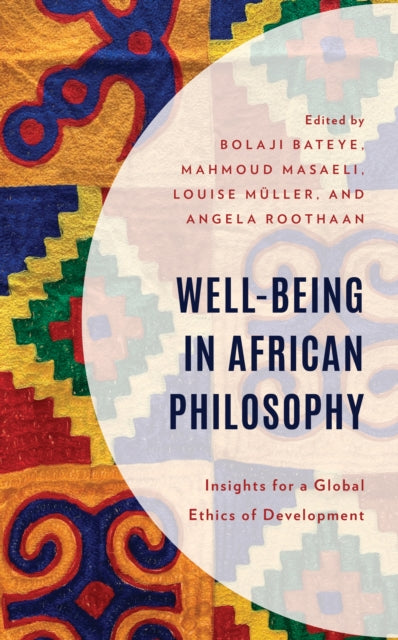
Well-Being in African Philosophy: Insights for a Global Ethics of Development
Well-Being in African Philosophy: Insights for a Global Ethics of Development
💎 Earn 451 Points (£4.51) on this item.
We can order this item for you. Delivery usually takes about 4 to 6 weeks.
This item is not held in our immediate stock. We will order it for you after checkout.
Estimated delivery: About 4 to 6 weeks
- Condition: Brand new
- UK Delivery times: Usually arrives within 2 - 3 working days
- UK Shipping: Fee starts at £2.39. Subject to product weight & dimension
Bulk ordering. Want 15 or more copies? Get a personalised quote and bigger discounts. Learn more about bulk orders.
Couldn't load pickup availability
- More about Well-Being in African Philosophy: Insights for a Global Ethics of Development
The book "Well-Being in African Philosophy: Insights for a Global Ethics of Development" explores the concept of well-being in African and intercultural philosophy, offering insights into global ethics of development. Contributors from diverse backgrounds address questions of human well-being related to global challenges, contributing to global ethics from an African perspective.
Format: Unspecified
Length: 302 pages
Publication date: 15 November 2023
Publisher: Lexington Books
Well-being in African Philosophy: Insights for a Global Ethics of Development, edited by Bolaji Bateye, Mahmoud Masaeli, Louise Müller, and Angela Roothaan, delves into the concept of well-being in African and intercultural philosophy, offering valuable insights into global ethics of development. Drawing from extensive discussions on communitarianism in the context of personhood in African philosophy and intercultural philosophy, the diverse contributors present a multitude of approaches to philosophizing about well-being from African contexts. Hailing from sub-Saharan Africa, Europe, and the Middle East, they address pressing concerns related to human well-being, encompassing the major global challenges of our time, such as climate change, socio-economic inequality, gender disparities, and racial discrimination in society, education, and organizations. This comprehensive collection, building upon the work of African independence philosophers and oral traditions from a critical development studies perspective, presents fresh perspectives on well-being, development, and morality, thus contributing to global ethics from an African vantage point.
The editors of this book, Bolaji Bateye, Mahmoud Masaeli, Louise Müller, and Angela Roothaan, have assembled a diverse group of scholars from various regions and backgrounds to explore the notion of well-being in African and intercultural philosophy. The book begins by examining the historical and philosophical foundations of well-being in African traditions, including the concept of Ubuntu and the importance of community in African societies. The contributors then move on to discuss the challenges and opportunities that arise from the intersection of African and intercultural philosophy, particularly in the context of global ethics of development.
One of the key themes of the book is the importance of recognizing the diverse perspectives and experiences of individuals and communities. The contributors argue that well-being cannot be understood solely through Western lenses and that African philosophy offers unique insights into the complexities of human experience. They highlight the importance of incorporating African perspectives into global ethics of development to ensure that the needs and rights of marginalized communities are not overlooked.
Another important theme of the book is the relationship between well-being and social justice. The contributors argue that well-being is not just a personal or individual concern but is also deeply intertwined with social and economic inequality. They suggest that addressing these issues requires a holistic approach that considers the interdependence of different aspects of society and the environment.
The book also explores the role of education in promoting well-being and social development. The contributors argue that education should be designed to promote critical thinking, empathy, and social responsibility, which are essential for building resilient and inclusive communities. They also emphasize the importance of promoting gender equality and empowering women and girls, as they are often marginalized and excluded from opportunities for social and economic development.
In conclusion, Well-Being in African Philosophy: Insights for a Global Ethics of Development is a valuable contribution to the field of philosophy and global ethics. The book offers a rich and nuanced understanding of the concept of well-being in African and intercultural philosophy, providing valuable insights into the challenges and opportunities facing societies in the 21st century. By recognizing the diverse perspectives and experiences of individuals and communities, promoting social justice, and emphasizing the role of education in promoting well-being, the book contributes to the development of a more inclusive and sustainable global society.
Dimension: 229 x 152 (mm)
ISBN-13: 9781793630780
UK and International shipping information
UK and International shipping information
UK Delivery and returns information:
- Delivery within 2 - 3 days when ordering in the UK.
- Shipping fee for UK customers from £2.39. Fully tracked shipping service available.
- Returns policy: Return within 30 days of receipt for full refund.
International deliveries:
Shulph Ink now ships to Australia, Belgium, Canada, France, Germany, Ireland, Italy, India, Luxembourg Saudi Arabia, Singapore, Spain, Netherlands, New Zealand, United Arab Emirates, United States of America.
- Delivery times: within 5 - 10 days for international orders.
- Shipping fee: charges vary for overseas orders. Only tracked services are available for most international orders. Some countries have untracked shipping options.
- Customs charges: If ordering to addresses outside the United Kingdom, you may or may not incur additional customs and duties fees during local delivery.