GuyMerchant
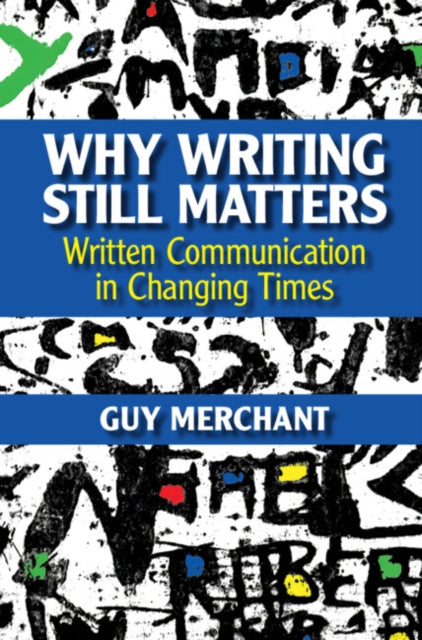
Why Writing Still Matters: Written Communication in Changing Times
Why Writing Still Matters: Written Communication in Changing Times
💎 Earn 127 Points (£1.27) on this item.
We can order this item for you. Delivery usually takes about 4 to 6 weeks.
This item is not held in our immediate stock. We will order it for you after checkout.
Estimated delivery: About 4 to 6 weeks
YOU SAVE £1.51
- Condition: Brand new
- UK Delivery times: Usually arrives within 2 - 3 working days
- UK Shipping: Fee starts at £2.39. Subject to product weight & dimension
Bulk ordering. Want 15 or more copies? Get a personalised quote and bigger discounts. Learn more about bulk orders.
Couldn't load pickup availability
- More about Why Writing Still Matters: Written Communication in Changing Times
Writing is a powerful human invention that has changed dramatically due to technology. This book argues that writing is essential and explores how it can be considered a technology, challenging our views about human communication. It is richly illustrated with examples of old and new writing practices and highlights how technology has challenged our views about human communication.
Format: Paperback / softback
Length: 280 pages
Publication date: 07 September 2023
Publisher: Cambridge University Press
Writing, a remarkable human invention, permeates our lives, shaping our thoughts, informing our decisions, and exerting control over us. Its power and complexity have evolved over time, reflecting the ever-changing world we inhabit. In the digital age, technology has revolutionized the way we write, the topics we explore, and the visual representation of our words. This captivating book makes a compelling case for the enduring significance of writing, while also contemplating its future in the digital landscape.
Through a rich tapestry of examples, both ancient and modern, the book delves into the profound transformations that writing has undergone throughout our lifetimes. It highlights how technology has challenged our deeply held beliefs about human communication, reshaping the way we interact and convey our ideas. By examining the mechanics of writing, the book invites us to reevaluate this visual language that we often take for granted, treating it as a technology in its own right.
Writing holds immense importance in our world, particularly in the face of the rapidly evolving digital landscape. It serves as a means of expression, communication, and documentation, allowing us to capture our thoughts, share our experiences, and preserve our cultural heritage. As technology continues to advance, it is crucial to explore the potential implications of these changes on writing and consider how we can adapt and thrive in this new environment.
One of the key challenges posed by technology is the democratization of writing. With the advent of digital tools and platforms, anyone can now become a writer, regardless of their background or education. This has led to an abundance of content, but it has also raised concerns about the quality and integrity of the written word. As writers, we must strive to maintain our craft and ensure that our work is meaningful, well-researched, and of high quality.
Another challenge is the speed and convenience of digital writing. With the ability to type and edit words instantly, we may be tempted to rush through our writing process, sacrificing depth and clarity. However, effective writing requires time, reflection, and attention to detail. We must resist the urge to produce subpar work and instead strive for excellence in our writing.
Moreover, technology has opened up new avenues for writing, such as social media, blogs, and online communities. These platforms provide a platform for writers to connect with readers and share their ideas on a global scale. However, with the vast amount of information available online, it can be challenging to stand out and gain visibility. Writers must develop effective marketing strategies and build a loyal following to succeed in this digital landscape.
Despite these challenges, technology also presents opportunities for writing. It has enabled writers to reach a wider audience, collaborate with others across the globe
Writing, a remarkable human invention, permeates our lives, shaping our thoughts, informing our decisions, and exerting control over us. Its power and complexity have evolved over time, reflecting the ever-changing world we inhabit. In the digital age, technology has revolutionized the way. The way we write, the topics we explore, and the visual representation of our words. This captivating book makes a compelling case for the enduring significance of writing, while also contemplating its future in the digital landscape.
Through a rich tapestry of examples, both ancient and modern, the book delves into the profound transformations that writing has undergone throughout our lifetimes. It highlights how technology has challenged our deeply held beliefs about human communication, reshaping the way we interact and convey our ideas. By examining the mechanics of writing, the book invites us to reevaluate this visual language that we often take for granted, treating it as a technology in its own right.
Writing holds immense importance in our world, particularly in the face of the rapidly evolving digital landscape. It serves as a means of expression, communication, and documentation, allowing us to capture our thoughts, share our experiences, and preserve our cultural heritage. As technology continues to advance, it is crucial to explore the potential implications of these changes on writing and consider how we can adapt and thrive in this new environment.
One of the key challenges posed by technology is the democratization of writing. With the advent of digital tools and platforms, anyone can now become a writer, regardless of their background or education. This has led to an abundance of content, but it has also raised concerns about the quality and integrity of the written word. As writers, we must strive to maintain our craft and ensure that our work is meaningful, well-researched, and of high quality.
Another challenge is the speed and convenience of digital writing. With the ability to type and edit words instantly, we may be tempted to rush through our writing process, sacrificing depth and clarity. However, effective writing requires time, reflection, and attention to detail. We must resist the urge to produce subpar work and instead strive for excellence in our writing.
Moreover, technology has opened up new avenues for writing, such as social media, blogs, and online communities. These platforms provide a platform for writers to connect with readers and share their ideas on a global scale. However, with the vast amount of information available online, it can be challenging to stand out and gain visibility. Writers must develop effective marketing strategies and build a loyal following to succeed in this digital landscape.
Despite these challenges, technology also presents opportunities for writing. It has enabled writers to reach a wider audience, collaborate with others across the globe
In conclusion, writing is a powerful and complex human invention that has evolved significantly over time, shaped by the ever-changing world we inhabit. While technology has brought about significant changes in the way
In conclusion, writing is a powerful and complex human invention that has evolved significantly over time, shaped by the ever-changing world we inhabit. While technology has brought about significant changes in the way we write, the topics we explore, and the visual representation of our words, it is important to recognize the enduring significance of writing in our lives. This captivating book provides a compelling argument for the importance of writing, exploring its past, present, and future in the digital age. By examining the mechanics of writing, it invites us to reevaluate this visual language that we often take for granted, treating it as a technology in its own right. Writing matters – now, more than ever before.
Weight: 318g
Dimension: 152 x 229 x 15 (mm)
ISBN-13: 9781009268684
UK and International shipping information
UK and International shipping information
UK Delivery and returns information:
- Delivery within 2 - 3 days when ordering in the UK.
- Shipping fee for UK customers from £2.39. Fully tracked shipping service available.
- Returns policy: Return within 30 days of receipt for full refund.
International deliveries:
Shulph Ink now ships to Australia, Belgium, Canada, France, Germany, Ireland, Italy, India, Luxembourg Saudi Arabia, Singapore, Spain, Netherlands, New Zealand, United Arab Emirates, United States of America.
- Delivery times: within 5 - 10 days for international orders.
- Shipping fee: charges vary for overseas orders. Only tracked services are available for most international orders. Some countries have untracked shipping options.
- Customs charges: If ordering to addresses outside the United Kingdom, you may or may not incur additional customs and duties fees during local delivery.