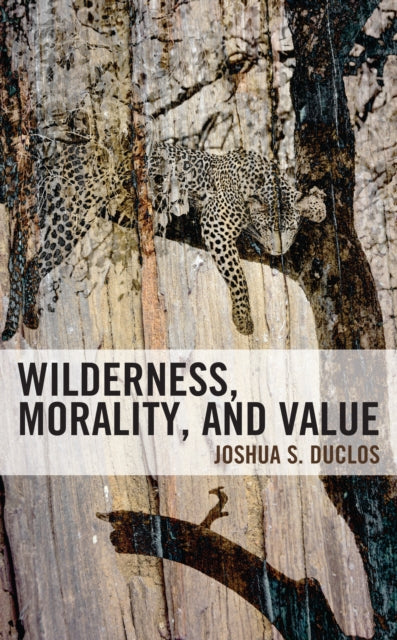
Joshua Duclos
Wilderness, Morality, and Value
Wilderness, Morality, and Value
💎 Earn 169 Points (£1.69) on this item.
We can order this item for you. Delivery usually takes about 4 to 6 weeks.
This item is not held in our immediate stock. We will order it for you after checkout.
Estimated delivery: About 4 to 6 weeks
- Condition: Brand new
- UK Delivery times: Usually arrives within 2 - 3 working days
- UK Shipping: Fee starts at £2.39. Subject to product weight & dimension
Bulk ordering. Want 15 or more copies? Get a personalised quote and bigger discounts. Learn more about bulk orders.
Couldn't load pickup availability
- More about Wilderness, Morality, and Value
Wilderness preservation raises moral questions due to the suffering of non-human inhabitants. Joshua S. Duclos argues that the value of wilderness is a narrow form of anthropocentric intrinsic value with a religio-spiritual dimension. He integrates scholarship from bioethics and environmental ethics to explore the ethics of wilderness in the Anthropocene.
Format: Paperback / softback
Length: 162 pages
Publication date: 31 January 2024
Publisher: Bloomsbury Publishing Plc
Wilderness, Morality, and Value: A Philosophical Investigation
Wilderness is a natural environment that is untouched by human activities. It is often seen as a valuable resource for wildlife, providing them with a habitat to live in and a place to reproduce. However, some argue that wilderness is bad for wildlife.
One of the main concerns is that wilderness can be a dangerous place for animals. Wild animals are often preyed upon by predators, and the lack of human presence can make it difficult for them to survive. In addition, wilderness can be a harsh environment, with extreme temperatures, harsh weather, and limited resources.
Another concern is that wilderness can be a source of pollution. Human activities such as mining, logging, and agriculture can pollute the environment, which can harm wildlife. For example, mining can release toxic chemicals into the soil and water, which can kill fish and other aquatic animals. Logging can also destroy habitats, which can make it difficult for animals to find food and shelter.
Despite these concerns, wilderness is still a valuable resource for wildlife. Wild animals are able to adapt to their environment and thrive in it. In addition, wilderness can provide a place for animals to reproduce and raise their young.
However, it is important to manage wilderness in a way that protects wildlife. This can include setting limits on the number of visitors to wilderness areas, protecting habitats from pollution, and providing food and water for wildlife.
One approach to managing wilderness is to create protected areas. Protected areas are areas of land that are set aside for the protection of wildlife. These areas are typically managed by government agencies and are designed to protect the natural environment and the wildlife that live in it.
Protected areas can be a very effective way to protect wildlife. However, they can also be expensive to create and maintain. In addition, they can limit the access of people to wilderness areas, which can have negative impacts on local communities.
Another approach to managing wilderness is to promote sustainable practices. Sustainable practices are practices that are designed to protect the environment and the wildlife that live in it while also providing economic benefits to local communities. For example, sustainable logging can provide a source of income for local communities while also protecting the environment.
However, sustainable practices can be difficult to implement. In addition, they can be challenged by the economic interests of some industries.
In conclusion, wilderness is a valuable resource for wildlife, but it can also be a dangerous place for animals. It is important to manage wilderness in a way that protects wildlife. This can include setting limits on the number of visitors to wilderness areas, protecting habitats from pollution, and providing food and water for wildlife. By promoting sustainable practices, we can help to ensure that wilderness is a valuable resource for future generations.
Weight: 245g
Dimension: 229 x 150 x 12 (mm)
ISBN-13: 9781666901382
This item can be found in:
UK and International shipping information
UK and International shipping information
UK Delivery and returns information:
- Delivery within 2 - 3 days when ordering in the UK.
- Shipping fee for UK customers from £2.39. Fully tracked shipping service available.
- Returns policy: Return within 30 days of receipt for full refund.
International deliveries:
Shulph Ink now ships to Australia, Belgium, Canada, France, Germany, Ireland, Italy, India, Luxembourg Saudi Arabia, Singapore, Spain, Netherlands, New Zealand, United Arab Emirates, United States of America.
- Delivery times: within 5 - 10 days for international orders.
- Shipping fee: charges vary for overseas orders. Only tracked services are available for most international orders. Some countries have untracked shipping options.
- Customs charges: If ordering to addresses outside the United Kingdom, you may or may not incur additional customs and duties fees during local delivery.