Shulph Ink
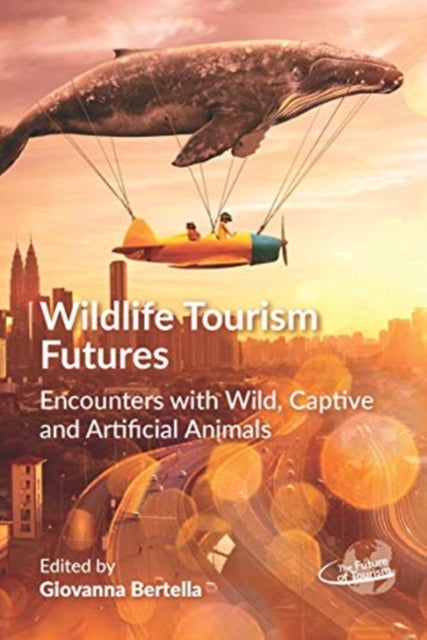
Wildlife Tourism Futures: Encounters with Wild, Captive and Artificial Animals
Wildlife Tourism Futures: Encounters with Wild, Captive and Artificial Animals
💎 Earn 140 Points (£1.40) on this item.
We can order this item for you. Delivery usually takes about 4 to 6 weeks.
This item is not held in our immediate stock. We will order it for you after checkout.
Estimated delivery: About 4 to 6 weeks
YOU SAVE £5.90
- Condition: Brand new
- UK Delivery times: Usually arrives within 2 - 3 working days
- UK Shipping: Fee starts at £2.39. Subject to product weight & dimension
Bulk ordering. Want 15 or more copies? Get a personalised quote and bigger discounts. Learn more about bulk orders.
Couldn't load pickup availability
- More about Wildlife Tourism Futures: Encounters with Wild, Captive and Artificial Animals
This book explores the potential future of wildlife and animal tourism by considering critical factors such as climate change, mass extinction, population growth, deforestation, sustainability, and ethical assumptions. It offers insights into development and management, experiential value, educational components, and ethical relevance, and highlights the use of technology in wildlife tourism. The aim is to inspire readers to reflect on shaping a better future for wildlife tourism.
Format: Paperback / softback
Length: 200 pages
Publication date: 26 November 2020
Publisher: Channel View Publications Ltd
The book explores a range of potential future scenarios in wildlife and animal tourism, combining critical thinking and imagination to provoke reflection and guide forward-thinking approaches. The future of wildlife tourism is fraught with uncertainties, stemming from diverse factors such as climate change, mass wildlife extinction, population growth, deforestation, sustainability, and ethical considerations. To address these challenges, innovative thinking is imperative. The chapters in this volume delve into the development and management of wildlife tourism, the experiential value, educational aspects, and ethical implications of tourism-animal encounters, as well as the technological advancements employed in this field. Through critically imagined futures, the book aims to inspire readers to contemplate the potential for creating a more positive and sustainable future for wildlife tourism. This publication will be of interest to researchers, students, and practitioners in wildlife tourism, environmental studies, sustainability, and conservation.
Introduction:
The world of wildlife and animal tourism is undergoing a transformative shift, driven by a multitude of complex factors. The future of this industry is shaped by uncertainties that revolve around climate change, mass wildlife extinction, human population growth, deforestation, sustainability, and ethical assumptions. These challenges demand innovative solutions and a reimagining of the way we approach wildlife tourism.
Uncertainties in Wildlife Tourism:
Climate change is one of the most pressing concerns facing wildlife tourism. Rising temperatures, changing weather patterns, and extreme weather events are causing habitat loss, disruption of migration routes, and shifts in species distributions. This has significant implications for the survival of many species and the quality of the experiences offered to tourists. Mass wildlife extinction is another major threat to wildlife tourism. The loss of iconic species such as elephants, rhinos, and tigers has a devastating impact on the industry, as these animals are often the primary attractions for tourists. Additionally, the decline of biodiversity and the destruction of ecosystems are threatening the long-term viability of wildlife tourism. Human population growth is another factor that is shaping the future of wildlife tourism. As the global population continues to expand, there is increased demand for travel and leisure activities. This has led to the development of new tourism destinations, such as wildlife reserves and national parks, which are often located in environmentally sensitive areas. However, this growth has also led to habitat destruction, pollution, and the displacement of local communities. Deforestation is a significant contributor to climate change and mass wildlife extinction. The clearing of forests for agriculture, logging, and urban development has led to the loss of habitat for countless species and the destruction of ecosystems. This has also contributed to soil erosion, water pollution, and the loss of biodiversity. Sustainability and ethical assumptions are also critical factors in wildlife tourism. The industry must prioritize the conservation of natural resources, the protection of biodiversity, and the well-being of local communities. This requires a commitment to sustainable practices, such as responsible tourism, eco-friendly accommodations, and community-based initiatives. However, there are also ethical concerns associated with wildlife tourism, such as the exploitation of animals, the commodification of nature, and the impact on local cultures.
New Ways of Thinking:
In order to meet these challenges, new ways of thinking are necessary. Wildlife tourism must evolve to become more sustainable, responsible, and ethical. This requires a shift from a short-term focus on profits to a long-term vision that prioritizes the conservation and preservation of natural resources. It also requires a recognition of the value of biodiversity and the importance of preserving ecosystems for future generations. One approach to addressing these challenges is through the development of sustainable tourism practices. This includes the use of renewable energy sources, the promotion of eco-friendly accommodations, and the reduction of waste and pollution. It also involves working with local communities to develop sustainable tourism initiatives that benefit both tourists and local communities. Another approach is to focus on the educational value of wildlife tourism. By providing tourists with a deeper understanding of the natural world and the importance of conservation, wildlife tourism can inspire a sense of responsibility and stewardship. This can be achieved through educational programs, guided tours, and interactive exhibits that promote conservation awareness. Ethical considerations are also critical in wildlife tourism. Tour operators must prioritize the well-being of animals and ensure that their interactions with tourists are safe and humane. This requires a commitment to ethical practices, such as responsible wildlife handling, the use of non-invasive techniques, and the provision of appropriate training for staff and volunteers. Technology can also play a significant role in wildlife tourism. Advances in technology, such as drones, virtual reality, and artificial intelligence, can provide tourists with unique and immersive experiences that promote conservation awareness. These technologies can also be used to monitor and protect wildlife populations, and to identify and address conservation challenges.
Conclusion:
The future of wildlife and animal tourism faces numerous uncertainties, but there are also opportunities for innovation and growth. By combining critical thinking and imagination, we can shape a future that prioritizes the conservation and preservation of natural resources, promotes sustainable practices, and provides ethical and immersive experiences for tourists. This will require a collective effort from researchers, students, practitioners, and policymakers, as well as a commitment to long-term vision and sustainability. The book explores a range of potential future scenarios in wildlife and animal tourism, combining critical thinking and imagination to provoke reflection and guide forward-thinking approaches. The future of wildlife tourism is fraught with uncertainties, stemming from diverse factors such as climate change, mass wildlife extinction, population growth, deforestation, sustainability, and ethical considerations. To address these challenges, innovative thinking is imperative. The chapters in this volume delve into the development and management of wildlife tourism, the experiential value, educational aspects, and ethical implications of tourism-animal encounters, as well as the technological advancements employed in this field. Through critically imagined futures, the book aims to inspire readers to contemplate the potential for creating a more positive and sustainable future for wildlife tourism. This publication will be of interest to researchers, students, and practitioners in wildlife tourism, environmental studies, sustainability, and conservation.
Weight: 300g
Dimension: 156 x 234 x 14 (mm)
ISBN-13: 9781845418168
UK and International shipping information
UK and International shipping information
UK Delivery and returns information:
- Delivery within 2 - 3 days when ordering in the UK.
- Shipping fee for UK customers from £2.39. Fully tracked shipping service available.
- Returns policy: Return within 30 days of receipt for full refund.
International deliveries:
Shulph Ink now ships to Australia, Belgium, Canada, France, Germany, Ireland, Italy, India, Luxembourg Saudi Arabia, Singapore, Spain, Netherlands, New Zealand, United Arab Emirates, United States of America.
- Delivery times: within 5 - 10 days for international orders.
- Shipping fee: charges vary for overseas orders. Only tracked services are available for most international orders. Some countries have untracked shipping options.
- Customs charges: If ordering to addresses outside the United Kingdom, you may or may not incur additional customs and duties fees during local delivery.