Megan Cooley Peterson
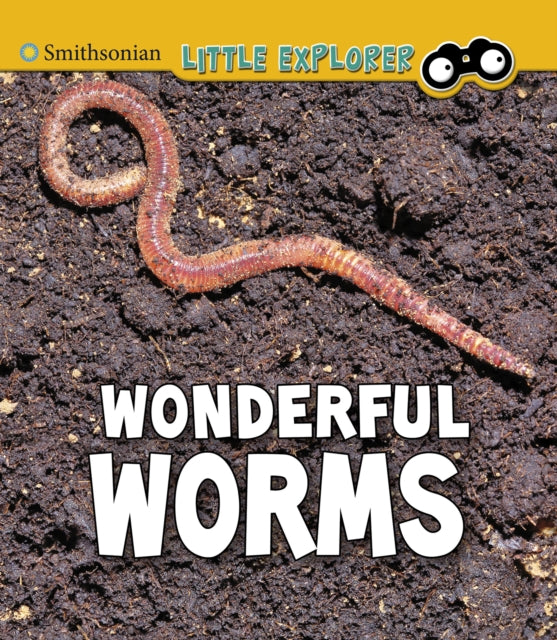
Wonderful Worms
Wonderful Worms
💎 Earn 31 Points (£0.31) on this item.
YOU SAVE £2.63
- Condition: Brand new
- UK Delivery times: Usually arrives within 2 - 3 working days
- UK Shipping: Fee starts at £2.39. Subject to product weight & dimension
Bulk ordering. Want 15 or more copies? Get a personalised quote and bigger discounts. Learn more about bulk orders.
Couldn't load pickup availability
- More about Wonderful Worms
Worms are small, legless creatures that live in soil and water. They play an important role in ecosystems by breaking down organic matter and recycling nutrients. This book teaches readers about different types of worms, their habitats, and their behaviors.
Format: Paperback / softback
Length: 32 pages
Publication date: 24 June 2021
Publisher: Capstone Global Library Ltd
What makes a worm a worm?
Worms are fascinating creatures that belong to the phylum Annelida, which includes a diverse range of organisms. They are characterized by their elongated, segmented bodies and their unique digestive systems. Worms can be found in a wide variety of environments, from soil to water, and they play important roles in ecosystems such as soil decomposition, nutrient cycling, and pest control.
One of the defining features of worms is their body plan. They are typically divided into three main segments: the head, the trunk, and the tail. The head is responsible for sensing and processing information, while the trunk contains the digestive system. The tail is used for locomotion and can be adapted for different purposes depending on the species.
Worms have a simple digestive system that consists of a mouth, an esophagus, a stomach, and an intestine. They feed on a variety of materials, including organic matter, decaying plants, and animals. Some worms are scavengers, while others are predators, and they play important roles in the food chain.
Worms come in a wide variety of shapes and sizes, from tiny microscopic organisms to large worms that can grow to several meters in length. Some of the most common and interesting worms from around the world include earthworms, leeches, and nematodes.
Earthworms are the most well-known type of worm and are found in a wide variety of soil environments. They are important for soil health and fertility, as they help to break down organic matter and transport nutrients to plants. Earthworms also play important roles in ecosystems such as wetlands and forests, as they help to maintain soil structure and prevent erosion.
Leeches are blood-sucking parasites that are found in freshwater environments. They feed on the blood of animals and can cause serious health problems if they are infected. Leeches have a unique digestive system that allows them to absorb nutrients from their prey.
Nematodes are microscopic worms that are found in a wide variety of environments, from soil to water. They are important for plant health and can be used as biological pesticides to control pests. Nematodes also play important roles in soil health and nutrient cycling.
In addition to their scientific importance, worms are also of cultural and economic significance. They have been used for centuries in medicine, agriculture, and fishing, and they are also prized as pets by some individuals.
Overall, worms are fascinating creatures that play important roles in ecosystems and human society. They are characterized by their simple body plan, unique digestive systems, and diverse range of adaptations. Whether you are interested in science, nature, or just curious about the world around you, learning about worms is a great way to expand your knowledge and appreciation for the natural world.
What are some of the most common and interesting worms from around the world?
Worms come in a wide variety of shapes and sizes, and they can be found in a wide range of environments around the world. Some of the most common and interesting worms from around the world include:
Earthworms: Earthworms are the most well-known type of worm and are found in a wide variety of soil environments. They are important for soil health and fertility, as they help to break down organic matter and transport nutrients to plants. Earthworms also play important roles in ecosystems such as wetlands and forests, as they help to maintain soil structure and prevent erosion.
Leeches: Leeches are blood-sucking parasites that are found in freshwater environments. They feed on the blood of animals and can cause serious health problems if they are infected. Leeches have a unique digestive system that allows them to absorb nutrients from their prey.
Nematodes: Nematodes are microscopic worms that are found in a wide variety of environments, from soil to water. They are important for plant health and can be used as biological pesticides to control pests. Nematodes also play important roles in soil health and nutrient cycling.
Worms are also used in a variety of industries, including agriculture, fishing, and medicine. For example, earthworms are used to fertilize soil and improve soil structure, while leeches are used in medicine to treat blood clots and other medical conditions.
In addition to their scientific and economic importance, worms are also of cultural and aesthetic significance. They have been used in art and literature for centuries, and they are also prized as pets by some individuals.
Overall, worms are fascinating creatures that play important roles in ecosystems and human society. Whether you are interested in science, nature, or just curious about the world around you, learning about worms is a great way to expand your knowledge and appreciation for the natural world.
In conclusion, worms are fascinating creatures that belong to the phylum Annelida and are characterized by their elongated, segmented bodies and unique digestive systems. They can be found in a wide variety of environments, from soil to water, and play important roles in ecosystems such as soil decomposition, nutrient cycling, and pest control. Worms have a simple digestive system that consists of a mouth, an esophagus, a stomach, and an intestine, and they feed on a variety of materials, including organic matter, decaying plants, and animals. Some of the most common and interesting worms from around the world include earthworms, leeches, and nematodes. Earthworms are the most well-known type of worm and are important for soil health and fertility, while leeches are blood-sucking parasites that can cause serious health problems. Nematodes are microscopic worms that are important for plant health and can be used as biological pesticides. In addition to their scientific importance, worms are also of cultural and economic significance, and they are used in a variety of industries, including agriculture, fishing, and medicine. Whether you are interested in science, nature, or just curious about the world around you, learning about worms is a great way to expand your knowledge and appreciation for the natural world.
Weight: 110g
Dimension: 192 x 222 x 7 (mm)
ISBN-13: 9781474794770
UK and International shipping information
UK and International shipping information
UK Delivery and returns information:
- Delivery within 2 - 3 days when ordering in the UK.
- Shipping fee for UK customers from £2.39. Fully tracked shipping service available.
- Returns policy: Return within 30 days of receipt for full refund.
International deliveries:
Shulph Ink now ships to Australia, Belgium, Canada, France, Germany, Ireland, Italy, India, Luxembourg Saudi Arabia, Singapore, Spain, Netherlands, New Zealand, United Arab Emirates, United States of America.
- Delivery times: within 5 - 10 days for international orders.
- Shipping fee: charges vary for overseas orders. Only tracked services are available for most international orders. Some countries have untracked shipping options.
- Customs charges: If ordering to addresses outside the United Kingdom, you may or may not incur additional customs and duties fees during local delivery.