Shulph Ink
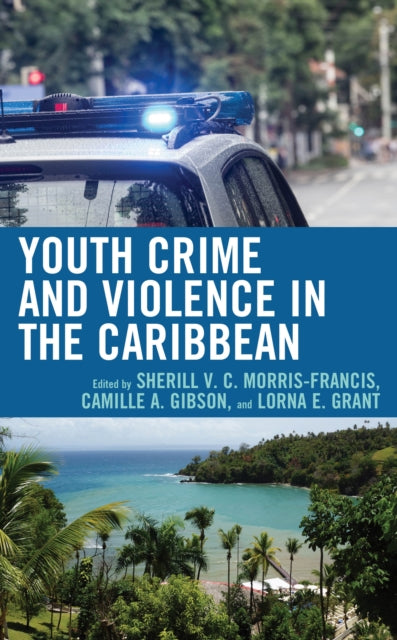
Youth Crime and Violence in the Caribbean
Youth Crime and Violence in the Caribbean
💎 Earn 531 Points (£5.31) on this item.
We can order this item for you. Delivery usually takes about 4 to 6 weeks.
This item is not held in our immediate stock. We will order it for you after checkout.
Estimated delivery: About 4 to 6 weeks
- Condition: Brand new
- UK Delivery times: Usually arrives within 2 - 3 working days
- UK Shipping: Fee starts at £2.39. Subject to product weight & dimension
Bulk ordering. Want 15 or more copies? Get a personalised quote and bigger discounts. Learn more about bulk orders.
Couldn't load pickup availability
- More about Youth Crime and Violence in the Caribbean
The compilation of works highlights the historical, economic, and human dynamics behind youth offending in the nations of the West Indies, offering insights into the slow rate of system change but leaving readers with an optimistic picture of possibilities. Recent events in Haiti and neighboring Venezuela demonstrate how quickly dynamics in the Caribbean area can shift if crime is not addressed and people increasingly disengage from systems, allowing despots to rise to power.
Format: Hardback
Length: 318 pages
Publication date: 05 January 2024
Publisher: Bloomsbury Publishing Plc
Youth Crime and Violence in the Caribbean provides a comprehensive examination of the historical, economic, and human dynamics behind youth offending in the nations of the West Indies. The book offers insights into the slow rate of system change yet leaves readers with an optimistic picture of possibilities. Recent events in Haiti and neighboring Venezuela demonstrate how quickly dynamics in the Caribbean area can shift if crime is not addressed and people increasingly disengage from systems in a manner that allows despots to rise to power. When this happens, the impacts are not localized.
The book begins by tracing the history of youth offending in the Caribbean, from the colonial era to the present day. It highlights the various factors that have contributed to the high rates of youth crime and violence, including poverty, inequality, social exclusion, and political instability. The authors argue that these factors have created a cycle of violence that is difficult to break and that requires a comprehensive and long-term approach to address.
One of the key themes of the book is the role of the state in addressing youth offending. The authors argue that the state has a critical role to play in providing education, healthcare, and social services to young people, as well as in enforcing laws and regulations that protect them from harm. However, they also point out that the state has often been ineffective in addressing youth offending, due to a lack of resources, political will, and coordination.
The book also explores the impact of youth offending on individuals and communities. It highlights the physical and emotional damage that youth crime and violence can cause, as well as the long-term consequences that can affect individuals' ability to succeed in life. The authors argue that youth offending can be prevented by addressing the underlying factors that contribute to it, such as poverty, inequality, and social exclusion.
In addition to its examination of the historical, economic, and human dynamics behind youth offending, the book also offers a range of policy recommendations for addressing the issue. These recommendations include increasing funding for education, healthcare, and social services, implementing anti-crime policies that focus on prevention and rehabilitation, and promoting social inclusion and cohesion.
One of the strengths of the book is its use of case studies to illustrate the various challenges and opportunities that exist in addressing youth offending in the Caribbean. The authors use case studies from a range of countries, including Jamaica, Trinidad and Tobago, and Haiti, to highlight the different approaches that have been taken to address the issue.
However, the book also has some limitations. One of the main limitations is that it does not provide a comprehensive analysis of the impact of youth offending on the global economy. While the book does discuss the economic costs of youth offending, it does not explore the broader economic implications of crime and violence in the Caribbean.
Another limitation of the book is that it does not provide a clear analysis of the role of the international community in addressing youth offending in the Caribbean. While the book does mention the role of the United Nations and other international organizations in addressing the issue, it does not provide a detailed analysis of their efforts or their effectiveness.
Despite these limitations, Youth Crime and Violence in the Caribbean is a valuable resource for anyone interested in understanding the historical, economic, and human dynamics behind youth offending in the nations of the West Indies. The book offers a comprehensive examination of the issue and provides a range of policy recommendations for addressing it. While the book does have some limitations, it is a valuable contribution to the field of youth offending and will likely be of interest to policymakers, practitioners, and researchers alike.
Youth Crime and Violence in the Caribbean is a comprehensive examination of the historical, economic, and human dynamics behind youth offending in the nations of the West Indies. The book offers insights into the slow rate of system change yet leaves readers with an optimistic picture of possibilities. Recent events in Haiti and neighboring Venezuela demonstrate how quickly dynamics in the Caribbean area can shift if crime is not addressed and people increasingly disengage from systems in a manner that allows despots to rise to power. When this happens, the impacts are not localized.
The book begins by tracing the history of youth offending in the Caribbean, from the colonial era to the present day. It highlights the various factors that have contributed to the high rates of youth crime and violence, including poverty, inequality, social exclusion, and political instability. The authors argue that these factors have created a cycle of violence that is difficult to break and that requires a comprehensive and long-term approach to address.
One of the key themes of the book is the role of the state in addressing youth offending. The authors argue that the state has a critical role to play in providing education, healthcare, and social services to young people, as well as in enforcing laws and regulations that protect them from harm. However, they also point out that the state has often been ineffective in addressing youth offending, due to a lack of resources, political will, and coordination.
The book also explores the impact of youth offending on individuals and communities. It highlights the physical and emotional damage that youth crime and violence can cause, as well as the long-term consequences that can affect individuals' ability to succeed in life. The authors argue that youth offending can be prevented by addressing the underlying factors that contribute to it, such as poverty, inequality, and social exclusion.
In addition to its examination of the historical, economic, and human dynamics behind youth offending, the book also offers a range of policy recommendations for addressing the issue. These recommendations include increasing funding for education, healthcare, and social services, implementing anti-crime policies that focus on prevention and rehabilitation, and promoting social inclusion and cohesion.
One of the strengths of the book is its use of case studies to illustrate the various challenges and opportunities that exist in addressing youth offending in the Caribbean. The authors use case studies from a range of countries, including Jamaica, Trinidad and Tobago, and Haiti, to highlight the different approaches that have been taken to address the issue.
However, the book also has some limitations. One of the main limitations is that it does not provide a comprehensive analysis of the impact of youth offending on the global economy. While the book does discuss the economic costs of youth offending, it does not explore the broader economic implications of crime and violence in the Caribbean.
Another limitation of the book is that it does not provide a clear analysis of the role of the international community in addressing youth offending in the Caribbean. While the book does mention the role of the United Nations and other international organizations in addressing the issue, it does not provide a detailed analysis of their efforts or their effectiveness.
Despite these limitations, Youth Crime and Violence in the Caribbean is a valuable resource for anyone interested in understanding the historical, economic, and human dynamics behind youth offending in the nations of the West Indies. The book offers a comprehensive examination of the issue and provides a range of policy recommendations for addressing it. While the book does have some limitations, it is a valuable contribution to the field of youth offending and will likely be of interest to policymakers, practitioners, and researchers alike.
Weight: 621g
Dimension: 237 x 159 x 24 (mm)
ISBN-13: 9781498549325
This item can be found in:
UK and International shipping information
UK and International shipping information
UK Delivery and returns information:
- Delivery within 2 - 3 days when ordering in the UK.
- Shipping fee for UK customers from £2.39. Fully tracked shipping service available.
- Returns policy: Return within 30 days of receipt for full refund.
International deliveries:
Shulph Ink now ships to Australia, Belgium, Canada, France, Germany, Ireland, Italy, India, Luxembourg Saudi Arabia, Singapore, Spain, Netherlands, New Zealand, United Arab Emirates, United States of America.
- Delivery times: within 5 - 10 days for international orders.
- Shipping fee: charges vary for overseas orders. Only tracked services are available for most international orders. Some countries have untracked shipping options.
- Customs charges: If ordering to addresses outside the United Kingdom, you may or may not incur additional customs and duties fees during local delivery.