S DeNotta
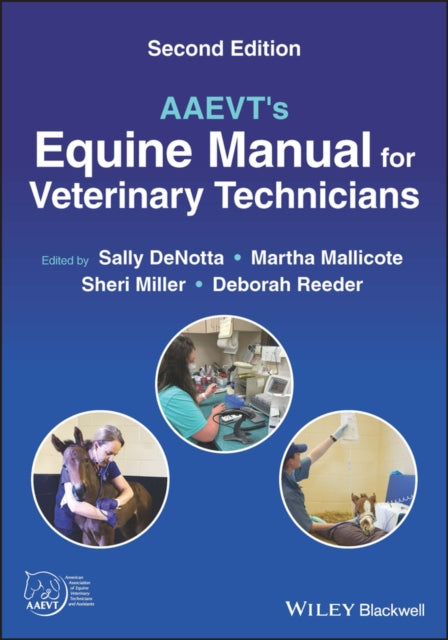
AAEVT's Equine Manual for Veterinary Technicians
AAEVT's Equine Manual for Veterinary Technicians
💎 Earn 256 Points (£2.56) on this item.
YOU SAVE £6.67
- Condition: Brand new
- UK Delivery times: Usually arrives within 2 - 3 working days
- UK Shipping: Fee starts at £2.39. Subject to product weight & dimension
Bulk ordering. Want 15 or more copies? Get a personalised quote and bigger discounts. Learn more about bulk orders.
Couldn't load pickup availability
- More about AAEVT's Equine Manual for Veterinary Technicians
The AAEVTs Equine Manual for Veterinary Technicians, Second Edition, is a practical handbook on all aspects of veterinary care in horses relevant to veterinary technicians. It offers a comprehensive compendium of information on the care and treatment of horses, including general horse management, nutrition, anatomy, physiology, reproduction, wellness programs, foal care, pharmacology, laboratory diagnosis, anesthesia, surgical assistance, nursing care, technical procedures, diagnostic procedures, common equine medical emergencies, physical rehabilitation, behavior, and office procedures. The book is designed for those with basic equine knowledge and training and is updated with all medical, procedural, pharmaceutical, equipment, staffing, and office management information. It is an invaluable reference for qualified equine veterinary technicians, assistants, vet tech students, and equine practices.
Format: Paperback / softback
Length: 560 pages
Publication date: 17 October 2022
Publisher: John Wiley and Sons Ltd
The AAEVTs Equine Manual for Veterinary Technicians, Second Edition, is a comprehensive and practical handbook that provides a wealth of information on all aspects of veterinary care in horses, specifically tailored for equine veterinary technicians. This second edition builds upon the foundations of equine care, offering a comprehensive reference for equine nursing skills, training, and technical information. The text is designed to cater to those who already possess a basic understanding of equine knowledge and training and are eager to expand their expertise.
Comprehensive yet accessible, the new edition of the manual has been thoroughly updated to include the latest medical, procedural, pharmaceutical, equipment, staffing, and office management information. For the first time, images are presented in full color throughout the book, enhancing the reader's experience and aiding in comprehension.
Chapters in the manual cover a wide range of topics, ranging from general horse management and nutrition to diagnostics and medical emergencies. These chapters are supported by charts, tables, and images, which further enhance the understanding of the material. Sample topics covered in the manual include:
General horse management: This chapter covers essential aspects of horse care, such as feeding, grooming, and housing. It also discusses the importance of proper nutrition and the role of exercise in maintaining horse health.
Equine nutrition: This chapter explores the nutritional requirements of horses and the various feeding strategies that can be employed to ensure their well-being. It covers topics such as feed types, feeding schedules, and nutritional supplements.
Applied anatomy and physiology: This chapter provides an in-depth understanding of the equine body, including its structure, function, and systems. It covers topics such as anatomy, physiology, reproductive biology, and clinical pathology.
Equine reproduction: This chapter focuses on equine reproduction, including breeding, gestation, and foaling. It covers topics such as reproductive disorders, infertility, and assisted reproduction techniques.
Equine wellness programs: This chapter discusses the development and implementation of equine wellness programs, which aim to improve the overall health and well-being of horses. It covers topics such as exercise programs, disease prevention, and rehabilitation.
Foal care: This chapter covers the care and management of foals, including their nutrition, health, and development. It also discusses the importance of early intervention and preventative care in foal health.
Equine pharmacology: This chapter explores the use of medications and treatments in horses. It covers topics such as drug classification, dosage, administration, and potential side effects.
Laboratory diagnosis in equine practice: This chapter discusses the use of laboratory tests and diagnostic procedures in equine medicine. It covers topics such as blood analysis, urine testing, imaging, and clinical pathology.
Equine anesthesia: This chapter covers the administration and monitoring of anesthesia in horses. It covers topics such as anesthesia types, equipment, monitoring, and potential complications.
Surgical assistance: This chapter provides information on surgical procedures and techniques in horses. It covers topics such as surgical preparation, anesthetic management, and post-operative care.
Nursing care: This chapter discusses the nursing care of horses, including wound management, fluid therapy, medication administration, and monitoring. It also covers the importance of communication and teamwork in equine nursing.
Technical procedures: This chapter covers a range of technical procedures that are commonly performed in equine veterinary practice. It covers topics such as dental care, reproductive procedures, and surgical procedures.
Diagnostic procedures: This chapter discusses the use of diagnostic procedures in equine medicine. It covers topics such as physical examination, imaging, and laboratory testing.
Common equine medical emergencies: This chapter provides an overview of common equine medical emergencies, including colic, respiratory distress, and gastrointestinal disorders. It covers topics such as diagnosis, treatment, and prevention.
Equine physical rehabilitation: This chapter discusses the use of physical rehabilitation in horses. It covers topics such as exercise programs, therapeutic modalities, and the rehabilitation of injuries and conditions.
Equine behavior: This chapter explores the behavior of horses and the factors that influence their behavior. It covers topics such as training, communication, and management.
Equine office procedures: This chapter discusses the administrative and organizational aspects of equine veterinary practice. It covers topics such as record keeping, scheduling, billing, and patient care.
An overall explanation of procedures and medical information regarding the care of horses in a clinic or ambulatory practice: This chapter provides a comprehensive overview of procedures and medical information regarding the care of horses in a clinic or ambulatory practice. It covers topics such as patient examination, diagnosis, treatment, and follow-up care.
In summary, the AAEVTs Equine Manual for Veterinary Technicians, Second Edition, is an invaluable resource for equine veterinary technicians. It offers a comprehensive and practical guide to all aspects of veterinary care in horses, covering a wide range of topics and providing detailed information on procedures, medical information, and clinical practices. Whether you are a novice or an experienced equine veterinary technician, this manual will be a valuable tool in your practice.
Weight: 1166g
Dimension: 178 x 255 x 27 (mm)
ISBN-13: 9781119678380
This item can be found in:
UK and International shipping information
UK and International shipping information
UK Delivery and returns information:
- Delivery within 2 - 3 days when ordering in the UK.
- Shipping fee for UK customers from £2.39. Fully tracked shipping service available.
- Returns policy: Return within 30 days of receipt for full refund.
International deliveries:
Shulph Ink now ships to Australia, Belgium, Canada, France, Germany, Ireland, Italy, India, Luxembourg Saudi Arabia, Singapore, Spain, Netherlands, New Zealand, United Arab Emirates, United States of America.
- Delivery times: within 5 - 10 days for international orders.
- Shipping fee: charges vary for overseas orders. Only tracked services are available for most international orders. Some countries have untracked shipping options.
- Customs charges: If ordering to addresses outside the United Kingdom, you may or may not incur additional customs and duties fees during local delivery.