Shulph Ink
Accessing Technical Education in Modern Japan
Accessing Technical Education in Modern Japan
We can order this item for you. Delivery usually takes about 4 to 6 weeks.
This item is not held in our immediate stock. We will order it for you after checkout.
Estimated delivery: About 4 to 6 weeks
YOU SAVE £24.64
- Condition: Brand new
- UK Delivery times: Usually arrives within 2 - 3 working days
- UK Shipping: Fee starts at £3.89. Subject to product weight & dimension
Bulk ordering. Want 15 or more copies? Get a personalised quote and bigger discounts. Learn more about bulk orders.
Couldn't load pickup availability
- More about Accessing Technical Education in Modern Japan
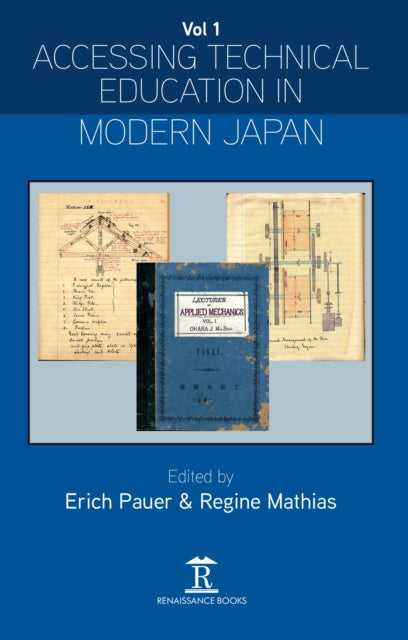
This collection of fourteen key papers focuses on the routes to acquiring and transmitting technical knowledge in Japan's modern era, from the earliest endeavors to the translation of foreign textbooks and manuals. It complements and expands on the first volume, Technical Knowledge in Early Modern Japan.
Format: Hardback
Length: 580 pages
Publication date: 01 March 2022
Publisher: Global Books
This comprehensive collection of fourteen pivotal papers, derived from CEEJAs second international conference on exploring the Japanese history of technology, delves into the intricate pathways of acquiring and disseminating technical knowledge during Japan's modern era. Spanning from the initial endeavors to establish avenues for technical education to the translation of foreign textbooks and manuals, this extensive work is presented in two volumes and is thematically organized into three Parts. Notably, it not only complements but also expands upon the subject matter covered in the first volume, Technical Knowledge in Early Modern Japan (2020).
Part I: Foundations of Technical Education
In the early stages of Japan's modernization, the quest for technical knowledge was a crucial endeavor. The government recognized the importance of fostering technological advancements and established institutions such as the Imperial University of Tokyo and the Imperial College of Engineering to provide formal education in engineering and other technical fields. These institutions played a pivotal role in shaping the country's technological landscape and producing skilled professionals who would contribute to Japan's industrialization.
One of the key challenges faced by these institutions was the need to acquire and translate foreign textbooks and manuals. The availability of these resources was essential for students to gain a comprehensive understanding of the latest technological developments and theories. However, the language barrier and the lack of established translation processes posed significant obstacles to the acquisition and dissemination of technical knowledge.
To overcome these challenges, institutions such as the Imperial University of Tokyo and the Imperial College of Engineering developed innovative approaches to acquiring and translating foreign textbooks and manuals. They established relationships with foreign universities and research institutions, exchanged students and faculty, and collaborated on research projects. Additionally, they invested in the development of translation technologies and hired skilled translators who were familiar with both Japanese and foreign technical languages.
Through these efforts, institutions such as the Imperial University of Tokyo and the Imperial College of Engineering were able to acquire a vast collection of foreign textbooks and manuals, which they made available to their students. These resources not only enhanced the quality of education but also facilitated the exchange of knowledge between Japan and other countries, contributing to Japan's rapid industrialization.
Part II: Translation and Dissemination of Technical Knowledge
As Japan's industrialization progressed, the demand for technical knowledge continued to grow. To meet this demand, institutions such as the Imperial University of Tokyo and the Imperial College of Engineering expanded their translation efforts and began to publish their own textbooks and manuals. These publications not only catered to the needs of their students but also played a significant role in disseminating technical knowledge to a wider audience.
One of the key strategies employed by these institutions was the use of print media. They published magazines, journals, and newspapers that featured articles and reports on technical topics, providing a platform for researchers and professionals to share their knowledge and expertise. Additionally, they organized conferences and workshops that brought together experts from different fields to discuss and exchange ideas, further promoting the dissemination of technical knowledge.
In addition to print media, institutions such as the Imperial University of Tokyo and the Imperial College of Engineering also used digital technologies to disseminate technical knowledge. They established online platforms and databases that made it easier for students and researchers to access and share information. They also collaborated with other institutions and organizations to create educational videos and podcasts, reaching a wider audience and promoting technical education.
Part III: Conclusion
In conclusion, this collection of fourteen key papers provides a comprehensive examination of the routes to acquiring and transmitting technical knowledge in Japan's modern era. From the early endeavors to establish opportunities for technical education to the translation of foreign textbooks and manuals, the papers explore the various challenges and strategies employed by institutions and individuals to promote the dissemination of technical knowledge. The collection highlights the importance of collaboration, innovation, and investment in education and research to foster technological advancements and contribute to Japan's economic growth.
As Japan continues to evolve and adapt to the changing global landscape, the importance of technical knowledge will remain crucial. By continuing to invest in education and research, and by fostering collaboration between institutions and industries, Japan can ensure that it remains at the forefront of technological innovation and development.
This comprehensive collection of fourteen pivotal papers, derived from CEEJAs second international conference on exploring the Japanese history of technology, delves into the intricate pathways of acquiring and disseminating technical knowledge during Japan's modern era. Spanning from the initial endeavors to establish avenues for technical education to the translation of foreign textbooks and manuals, this extensive work is presented in two volumes and is thematically organized into three Parts. Notably, it not only complements but also expands upon the subject matter covered in the first volume, Technical Knowledge in Early Modern Japan (2020).
Part I: Foundations of Technical Education
In the early stages of Japan's modernization, the quest for technical knowledge was a crucial endeavor. The government recognized the importance of fostering technological advancements and established institutions such as the Imperial University of Tokyo and the Imperial College of Engineering to provide formal education in engineering and other technical fields. These institutions played a pivotal fields and produced skilled professionals who would contribute to Japan's industrialization.
One of the key challenges faced by these institutions was the need to acquire and translate foreign textbooks and manuals. The availability of these resources was essential for students to gain a comprehensive understanding of the latest technological developments and theories. However, the language barrier and the lack of established translation processes posed significant obstacles to the acquisition and dissemination of technical knowledge.
To overcome these challenges, institutions such as the Imperial University of Tokyo and the Imperial College of Engineering developed innovative approaches to acquiring and translating foreign textbooks and manuals. They established relationships with foreign universities and research institutions, exchanged students and faculty, and collaborated on research projects. Additionally, they invested in the development of translation technologies and hired skilled translators who were familiar with both Japanese and foreign technical languages.
Through these efforts, institutions such as the Imperial University of Tokyo and the Imperial College of Engineering were able to acquire a vast collection of foreign textbooks and manuals, which they made available to their students. These resources not only enhanced the quality of education but also facilitated the exchange of knowledge between Japan and other countries, contributing to Japan's rapid industrialization.
Part II: Translation and Dissemination of Technical Knowledge
As Japan's industrialization progressed, the demand for technical knowledge continued to grow. To meet this demand, institutions such as the Imperial University of Tokyo and the Imperial College of Engineering expanded their translation efforts and began to publish their own textbooks and manuals. These publications not only catered to the needs of their students but also played a significant role in disseminating technical knowledge to a wider audience.
One of the key strategies employed by these institutions was the use of print media. They published magazines, journals, and newspapers that featured articles and reports on technical topics, providing a platform for researchers and professionals to share their knowledge and expertise. Additionally, they organized conferences and workshops that brought together the experts from different fields to discuss and exchange ideas, further promoting the dissemination of technical knowledge.
In addition to print media, institutions such as the Imperial University of Tokyo and the Imperial College of Engineering also used digital technologies to disseminate technical knowledge. They established online platforms and databases that made it easier for students and researchers to access and share information. They also collaborated with other institutions and organizations to create educational videos and podcasts, reaching a wider audience and promoting technical education.
Part III: Conclusion
In conclusion, this collection of fourteen key papers provides a comprehensive examination of the routes to acquiring and transmitting technical knowledge in Japan's modern era. From the early endeavors to establish opportunities for technical education to the translation of foreign textbooks and manuals, the papers explore the various challenges and strategies employed by institutions and individuals to promote the dissemination of technical knowledge. The collection highlights the importance of collaboration, innovation, and investment in education and research to foster technological advancements and contribute to Japan's economic growth.
As Japan continues to evolve and adapt to the changing global landscape, the importance of technical knowledge will remain crucial. By continuing to invest in education and research, and by fostering collaboration between institutions and industries, Japan can ensure that it remains at the forefront of technological innovation and development.
Weight: 854g
Dimension: 148 x 228 x 46 (mm)
ISBN-13: 9781912961252
UK and International shipping information
UK and International shipping information
We deliver throughout the United Kingdom and to 128 countries and territories worldwide, including the United States, Australia, Canada, Germany, Spain and France.