Shulph Ink
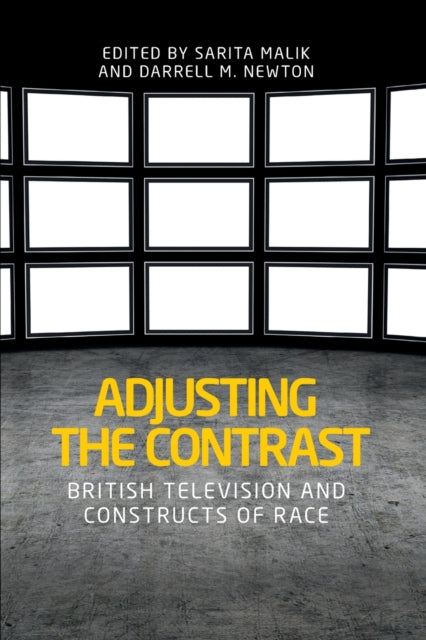
Adjusting the Contrast: British Television and Constructs of Race
Adjusting the Contrast: British Television and Constructs of Race
YOU SAVE £5.18
- Condition: Brand new
- UK Delivery times: Usually arrives within 2 - 3 working days
- UK Shipping: Fee starts at £3.89. Subject to product weight & dimension
Bulk ordering. Want 15 or more copies? Get a personalised quote and bigger discounts. Learn more about bulk orders.
Couldn't load pickup availability
- More about Adjusting the Contrast: British Television and Constructs of Race
This volume explores the relationship between race and television, including television policy, representation, and transnationalism. It analyzes programs such as Doctor Who, Shoot the Messenger, Desi DNA, Survivors, and Top Boy and highlights the challenges of telling diverse stories.
Format: Paperback / softback
Length: 232 pages
Publication date: 01 October 2019
Publisher: Manchester University Press
This comprehensive volume delves into a diverse array of texts and practices that explore the intricate relationship between race and television. The chapters delve into various aspects, including television policy and management, the impact of transnationalism on racial diversity, historical questions of representation, the myth of a multicultural England, and more. Additionally, the book offers insightful analyses of popular television programs such as Doctor Who, Shoot the Messenger, Desi DNA, Survivors, and Top Boy, examining these shows within the context of the broadcast environments that shaped their creation. While significant strides have been made in promoting diverse portrayals on screen, there remains a persistent need to address the narratives being told.
Television policy and the management of race:
The chapters in this section examine the policies and practices that govern the representation of race on television. They explore how television networks, production companies, and regulatory bodies shape the portrayal of race and its impact on audiences. The authors analyze the historical context of television policy and how it has evolved to address issues of representation and diversity. They also discuss the challenges and opportunities that arise in managing race on television, such as the need for accurate and sensitive portrayals, the avoidance of stereotypes and caricatures, and the promotion of inclusivity and diversity in programming.
Transnationalism and the diminution of racial diversity:
The chapters in this section explore the impact of transnationalism on racial diversity in television programming. Transnationalism refers to the flow of cultural and media products across national boundaries, and it has played a significant role in shaping the global television landscape. The authors examine how transnationalism can diminish racial diversity in television programming, particularly in regions where dominant cultures dominate the media landscape. They discuss the ways in which globalization, cultural imperialism, and the commodification of culture contribute to this phenomenon and offer strategies for promoting greater racial diversity in television programming.
Historical questions of representation:
The chapters in this section examine the historical questions of representation in television programming. They explore how race has been portrayed and represented over time, and how these portrayals have influenced public perceptions and attitudes towards race. The authors analyze the ways in which television has perpetuated stereotypes and caricatures, and how these representations have impacted the lives of individuals and communities. They also discuss the efforts made by filmmakers, producers, and activists to challenge these representations and promote more accurate and nuanced portrayals of race.
The myth of a multicultural England:
The chapters in this section examine the myth of a multicultural England in television programming. The myth of a multicultural England suggests that England is a diverse and inclusive society that embraces a wide range of cultures and ethnicities. The authors challenge this myth by examining the ways in which television programming perpetuates stereotypes and caricatures of different cultures and ethnicities. They discuss the ways in which these representations can contribute to prejudice and discrimination and offer strategies for promoting greater cultural diversity and inclusivity in television programming.
Analyses of popular television programs:
The chapters in this section provide in-depth analyses of popular television programs that address issues of race and its relationship with television. The programs discussed include Doctor Who, Shoot the Messenger, Desi DNA, Survivors, and Top Boy. The authors examine these programs within the context of the broadcast environments that helped to create them, and they discuss the ways in which these programs have contributed to the representation of race and its impact on audiences. They also analyze the themes, characters, and narratives that these programs explore, and how they contribute to the broader discourse on race and its relationship with television.
While efforts have been made to put diverse portrayals on screen, there are still significant problems with the stories being told.
Despite the progress made in promoting diverse portrayals on screen, there are still significant challenges that need to be addressed. One of the primary concerns is the perpetuation of stereotypes and caricatures in television programming. Many shows continue to rely on outdated and harmful tropes that perpetuate negative perceptions of certain races, ethnicities, and cultures. This can lead to prejudice and discrimination and undermine the efforts to promote greater inclusivity and diversity in television.
Another issue is the lack of representation of marginalized communities and individuals. Television programming often fails to adequately represent the experiences and perspectives of marginalized groups, such as people of color, LGBTQ+ individuals, and individuals with disabilities. This can lead to a sense of isolation and exclusion for these communities and contribute to the perpetuation of systemic inequalities.
Furthermore, there are concerns about the narratives being told in television programming. Many shows focus on white, heterosexual characters and their experiences, while marginalized communities and individuals are often relegated to supporting roles or stereotypes. This can perpetuate harmful narratives and reinforce the notion that certain groups are less valuable and worthy of representation.
To address these issues, there is a need for greater diversity in the creative teams behind television programming. This includes hiring more diverse writers, directors, and producers who can bring a range of perspectives and experiences to the table. It also involves promoting greater inclusivity and diversity in the casting process, ensuring that marginalized communities and individuals are represented in a meaningful and authentic way.
In addition, there is a need for greater accountability and transparency in the television industry. Television networks, production companies, and regulatory bodies should be held accountable for the portrayals of race and its impact on audiences. This includes implementing policies and practices that promote greater diversity and inclusivity in programming, and providing regular feedback and evaluation of the impact of their programming on audiences.
Furthermore, there is a need for greater education and awareness about the impact of television programming on race and its relationship with television. This includes promoting media literacy and critical thinking skills among audiences, and providing resources and information about the representation of race in television programming.
In conclusion, the relationship between race and television is complex and multifaceted. While significant strides have been made in promoting diverse portrayals on screen, there is still a need for greater attention and action to address the issues of stereotypes, caricatures, lack of representation, and harmful narratives. By promoting greater diversity in the creative teams, implementing accountability and transparency measures, and promoting greater education and awareness, we can work towards creating a more inclusive and diverse television landscape that reflects the rich and diverse tapestry of our society.
Weight: 362g
Dimension: 197 x 383 x 13 (mm)
ISBN-13: 9781526143600
UK and International shipping information
UK and International shipping information
We deliver throughout the United Kingdom and to 128 countries and territories worldwide, including the United States, Australia, Canada, Germany, Spain and France.