Shulph Ink
Bloody Women: Women Directors of Horror
Bloody Women: Women Directors of Horror
We can order this item for you. Delivery usually takes about 4 to 6 weeks.
This item is not held in our immediate stock. We will order it for you after checkout.
Estimated delivery: About 4 to 6 weeks
- Condition: Brand new
- UK Delivery times: Usually arrives within 2 - 3 working days
- UK Shipping: Fee starts at £3.89. Subject to product weight & dimension
Bulk ordering. Want 15 or more copies? Get a personalised quote and bigger discounts. Learn more about bulk orders.
Couldn't load pickup availability
- More about Bloody Women: Women Directors of Horror
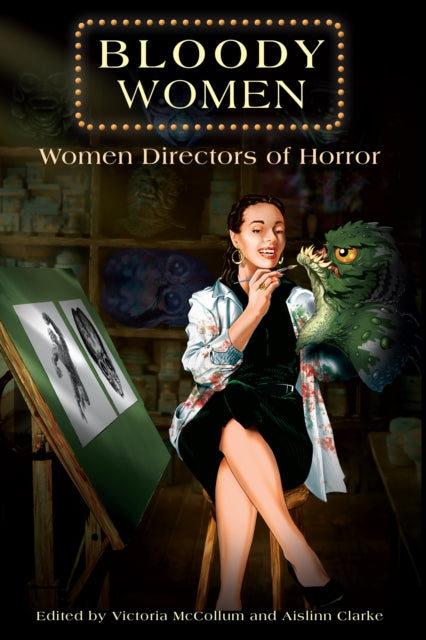
Bloody Women explores the changing gender dynamics in the horror film industry, highlighting women's diverse contributions as creators, consumers, and critics. It argues that women have reimagined the genre, offering unique cinematic techniques and topical concerns. It also examines how the cultural experience of horror is transformed when the genres major festivals and conventions are developed and directed by women.
Format: Paperback / softback
Length: 252 pages
Publication date: 22 February 2024
Publisher: Lehigh University Press
Bloody Women: A Study of Changing Gender Dynamics in the Horror Film Industry
The horror film industry has undergone significant changes over time, and women have played a crucial role in defining the genre. While women in the industry face ongoing challenges, this book focuses on their diverse contributions as creators, consumers, and critics of horror, showing how women have been essential in shaping the goals and methods of the genre. Aimed at both scholarly and general readers, the chapters bring together the expertise of filmmakers, festival programmers, and scholars to argue that women have effected a reimagining of horror.
To this end, the volume considers a range of historical and theoretical issues relevant to gender and the genre of horror, broadly conceived. The collection explores, for example, female-directed horror films as a distinctive enterprise, one that is potentially marked by unique cinematic techniques and topical concerns. The book also moves into a more public domain, probing how the cultural experience of horror is transformed when the genres major festivals and conventions are developed and directed by women.
Together, these essays offer a wide-ranging investigation into the stakes of women's growing prominence in the horror industry. Most centrally, Bloody Women analyzes how the ethics, investments, and objectives of the genre shift when women deploy horror for their own enjoyment.
One of the key themes of Bloody Women is the impact of women's perspectives on the horror genre. Women have a unique perspective on the world, and this perspective can be reflected in their horror films. Women are often more likely to focus on themes of fear, vulnerability, and the supernatural, which can create a more intense and immersive experience for viewers. Women have also been more likely to challenge traditional gender roles and stereotypes in horror films, which can be seen as a form of social commentary.
Another theme of Bloody Women is the impact of women's participation in the horror industry on the broader cultural landscape. Women have been involved in the horror industry for many years, but their contributions have often been overlooked or marginalized. This has led to a lack of diversity in the genre, which can be seen as a barrier to entry for women and other marginalized groups. However, recent years have seen a growing recognition of the importance of women's contributions to the horror genre, and this has led to a greater number of women being involved in the industry.
One of the ways that women have been involved in the horror industry is through their work as filmmakers. Women have been responsible for some of the most iconic horror films of all time, including "The Exorcist," "Rosemary's Baby," and "The Shining." Women have also been involved in the production of horror films, including as producers, directors, and writers. Women have been able to bring their unique perspectives and experiences to the genre, which has led to a more diverse and inclusive range of films.
However, women have also faced significant challenges in the horror industry. Women are often underrepresented in the industry, and they are often paid less than their male counterparts. Women have also been subjected to sexual harassment and abuse in the industry, which can be a significant barrier to entry for women and other marginalized groups.
To address these challenges, women have been working to create a more inclusive and supportive environment in the horror industry. Women have been organizing events and festivals that focus on women's horror films, and they have been working to promote women's work in the industry. Women have also been working to raise awareness of the issues that women face in the industry, and to advocate for change.
One of the ways that women have been working to raise awareness of the issues that women face in the horror industry is through their work as critics. Women have been writing about horror films for many years, and they have been able to provide a unique perspective on the genre. Women have been able to identify the ways that women are represented in horror films, and to critique the ways that these representations can be harmful.
Women have also been working to promote women's work in the industry through their work as festival programmers. Women have been responsible for programming some of the most prestigious horror festivals in the world, and they have been able to showcase the work of women filmmakers and other women in the industry.
In addition to their work as filmmakers, producers, directors, and writers, women have also been involved in the horror industry as consumers. Women are often the primary consumers of horror films, and they have been able to influence the direction of the genre. Women have been more likely to seek out horror films that challenge traditional gender roles and stereotypes, and they have been more likely to recommend horror films to their friends and family.
However, women have also faced significant challenges as consumers of horror films. Women have been subjected to sexual harassment and abuse in the industry, and they have been subjected to negative stereotypes and representations in horror films. Women have also been less likely to be represented in horror films as main characters, which can be a significant barrier to entry for women and other marginalized groups.
To address these challenges, women have been working to create a more inclusive and supportive environment in the horror industry. Women have been organizing events and festivals that focus on women's horror films, and they have been working to promote women's work in the industry. Women have also been working to raise awareness of the issues that women face in the industry, and to advocate for change.
One of the ways that women have been working to raise awareness of the issues that women face in the horror industry is through their work as scholars. Women have been studying the horror genre for many years, and they have been able to provide a unique perspective on the genre. Women have been able to identify the ways that women are represented in horror films, and to critique the ways that these representations can be harmful.
Women have also been working to promote women's work in the industry through their work as festival programmers. Women have been responsible for programming some of the most prestigious horror festivals in the world, and they have been able to showcase the work of women filmmakers and other women in the industry.
In conclusion, women have played a crucial role in defining the horror genre, and their contributions have been diverse and significant. Women have been involved in the horror industry as filmmakers, producers, directors, writers, consumers, and scholars, and they have been able to create a more inclusive and supportive environment in the industry. However, women have also faced significant challenges in the industry, and it is important to continue to work to address these challenges. By creating a more inclusive and supportive environment in the horror industry, we can ensure that women's perspectives and experiences are represented in the genre, and that the genre continues to evolve and grow.
Weight: 372g
Dimension: 162 x 228 x 18 (mm)
ISBN-13: 9781611463095
UK and International shipping information
UK and International shipping information
We deliver throughout the United Kingdom and to 128 countries and territories worldwide, including the United States, Australia, Canada, Germany, Spain and France.