Shulph Ink
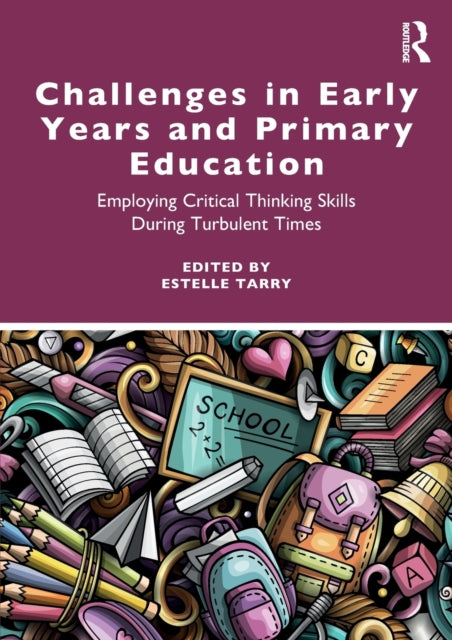
Challenges in Early Years and Primary Education: Employing critical thinking skills during turbulent times
Challenges in Early Years and Primary Education: Employing critical thinking skills during turbulent times
💎 Earn 160 Points (£1.60) on this item.
We can order this item for you. Delivery usually takes about 4 to 6 weeks.
This item is not held in our immediate stock. We will order it for you after checkout.
Estimated delivery: About 4 to 6 weeks
YOU SAVE £1.91
- Condition: Brand new
- UK Delivery times: Usually arrives within 2 - 3 working days
- UK Shipping: Fee starts at £3.89. Subject to product weight & dimension
Bulk ordering. Want 15 or more copies? Get a personalised quote and bigger discounts. Learn more about bulk orders.
Couldn't load pickup availability
- More about Challenges in Early Years and Primary Education: Employing critical thinking skills during turbulent times
Challenges in Early Years and Primary Education is a book that focuses on teaching and learning children in early years and primary school settings, raising awareness of critical education issues such as wellbeing, global education, online teaching, and multicultural society. It encourages the development of knowledge and understanding of teaching and learning, recognizes good mental health, and explores ways to respond to and ameliorate the effects of the pandemic and other challenges.
Format: Paperback / softback
Length: 190 pages
Publication date: 30 June 2022
Publisher: Taylor & Francis Ltd
Early Years and Primary Education face numerous challenges that require careful attention and innovative solutions. One of the primary challenges is ensuring that children receive high-quality education that meets their individual needs and promotes their overall development. This includes providing a safe and nurturing learning environment, implementing effective teaching strategies, and addressing diverse learning styles and abilities.
Another challenge is promoting social and emotional development among children. In the early years, children are still developing their social skills and emotional intelligence, and it is essential to provide them with opportunities to interact with peers, build relationships, and develop a sense of self-esteem and confidence. This can be achieved through play-based learning, social activities, and emotional regulation techniques.
Furthermore, Early Years and Primary Education must address the issue of equity and inclusion. All children, regardless of their background, race, gender, or ability, should have access to high-quality education that prepares them for success in life. This requires efforts to reduce educational disparities, provide resources and support to marginalized communities, and promote diversity and cultural understanding in the classroom.
In addition to these challenges, Early Years and Primary Education also face the impact of technological advancements. The use of technology in the classroom can be a powerful tool for learning and engagement, but it also presents challenges such as digital divide, cyberbullying, and addiction. Teachers must be equipped to integrate technology into the classroom effectively and safely, while also promoting digital literacy and responsible use of technology.
To address these challenges, Early Years and Primary Education professionals need to work collaboratively and develop innovative solutions. This may involve implementing evidence-based practices, using technology to enhance learning, and promoting parental involvement and community engagement. It is also important to prioritize the professional development of teachers and educators, ensuring that they have the skills and knowledge necessary to meet the needs of their students.
In conclusion, Early Years and Primary Education face numerous challenges that require careful attention and innovative solutions. By ensuring that children receive high-quality education, promoting social and emotional development, addressing equity and inclusion, and embracing technological advancements, we can create a positive learning environment that prepares children for success in life.
Early Years and Primary Education face numerous challenges that require careful attention and innovative solutions. One of the primary challenges is ensuring that children receive high-quality education that meets their individual needs and promotes their overall development. This includes providing a safe and nurturing learning environment, implementing effective teaching strategies, and addressing diverse learning styles and abilities.
Another challenge is promoting social and emotional development among children. In the early years, children are still developing their social skills and emotional intelligence, and it is essential to provide them with opportunities to interact with peers, build relationships, and develop a sense of self-esteem and confidence. This can be achieved through play-based learning, social activities, and emotional regulation techniques.
Furthermore, Early Years and Primary Education must address the issue of equity and inclusion. All children, regardless of their background, race, gender, or ability, should have access to high-quality education that prepares them for success in life. This requires efforts to reduce educational disparities, provide resources and support to marginalized communities, and promote diversity and cultural understanding in the classroom.
In addition to these challenges, Early Years and Primary Education also face the impact of technological advancements. The use of technology in the classroom can be a powerful tool for learning and engagement, but it also presents challenges such as digital divide, cyberbullying, and addiction. Teachers must be equipped to integrate technology into the classroom effectively and safely, while also promoting digital literacy and responsible use of technology.
To address these challenges, Early Years and Primary Education professionals need to work collaboratively and develop innovative solutions. This may involve implementing evidence-based practices, using technology to enhance learning, and promoting parental involvement and community engagement. It is also important to prioritize the professional development of teachers and educators, ensuring that they have the skills and knowledge necessary to meet the needs of their students.
In conclusion, Early Years and Primary Education face numerous challenges that require careful attention and innovative solutions. By ensuring that children receive high-quality education, promoting social and emotional development, addressing equity and inclusion, and embracing technological advancements, we can create a positive learning environment that prepares children for success in life.
Early Years and Primary Education face numerous challenges that require careful attention and innovative solutions. One of the primary challenges is ensuring that children receive high-quality education that meets their individual needs and promotes their overall development. This includes providing a safe and nurturing learning environment, implementing effective teaching strategies, and addressing diverse learning styles and abilities.
Another challenge is promoting social and emotional development among children. In the early years, children are still developing their social skills and emotional intelligence, and it is essential to provide them with opportunities to interact with peers, build relationships, and develop a sense of self-esteem and confidence. This can be achieved through play-based learning, social activities, and emotional regulation techniques.
Furthermore, Early Years and Primary Education must address the issue of equity and inclusion. All children, regardless of their background, race, gender, or ability, should have access to high-quality education that prepares them for success in life. This requires efforts to reduce educational disparities, provide resources and support to marginalized communities, and promote diversity and cultural understanding in the classroom.
In addition to these challenges, Early Years and Primary Education also face the impact of technological advancements. The use of technology in the classroom can be a powerful tool for learning and engagement, but it also presents challenges such as digital divide, cyberbullying, and addiction. Teachers must be equipped to integrate technology into the classroom effectively and safely, while also promoting digital literacy and responsible use of technology.
To address these challenges, Early Years and Primary Education professionals need to work collaboratively and develop innovative solutions. This may involve implementing evidence-based practices, using technology to enhance learning, and promoting parental involvement and community engagement. It is also important to prioritize the professional development of teachers and educators, ensuring that they have the skills and knowledge necessary to meet the needs of their students.
In conclusion, Early Years and Primary Education face numerous challenges that require careful attention and innovative solutions. By ensuring that children receive high-quality education, promoting social and emotional development, addressing equity and inclusion, and embracing technological advancements, we can create a positive learning environment that prepares children for success in life.
Early Years and Primary Education face numerous challenges that require careful attention and innovative solutions. One of the primary challenges is ensuring that children receive high-quality education that meets their individual needs and promotes their overall development. This includes providing a safe and nurturing learning environment, implementing effective teaching strategies, and addressing diverse learning styles and abilities.
Another challenge is promoting social and emotional development among children. In the early years, children are still developing their social skills and emotional intelligence, and it is essential to provide them with opportunities to interact with peers, build relationships, and develop a sense of self-esteem and confidence. This can be achieved through play-based learning, social activities, and emotional regulation techniques.
Furthermore, Early Years and Primary Education must address the issue of equity and inclusion. All children, regardless of their background, race, gender, or ability, should have access to high-quality education that prepares them for success in life. This requires efforts to reduce educational disparities, provide resources and support to marginalized communities, and promote diversity and cultural understanding in the classroom.
In addition to these challenges, Early Years and Primary Education also face the impact of technological advancements. The use of technology in the classroom can be a powerful tool for learning and engagement, but it also presents challenges such as digital divide, cyberbullying, and addiction. Teachers must be equipped to integrate technology into the classroom effectively and safely, while also promoting digital literacy and responsible use of technology.
To address these challenges, Early Years and Primary Education professionals need to work collaboratively and develop innovative solutions. This may involve implementing evidence-based practices, using technology to enhance learning, and promoting parental involvement and community engagement. It is also important to prioritize the professional development of teachers and educators, ensuring that they have the skills and knowledge necessary to meet the needs of their students.
In conclusion, Early Years and Primary Education face numerous challenges that require careful attention and innovative solutions. By ensuring that children receive high-quality education, promoting social and emotional development, addressing equity and inclusion, and embracing technological advancements, we can create a positive learning environment that prepares children for success in life.
Early Years and Primary Education face numerous challenges that require careful attention and innovative solutions. One of the primary challenges is ensuring that children receive high-quality education that meets their individual needs and promotes their overall development. This includes providing a safe and nurturing learning environment, implementing effective teaching strategies, and addressing diverse learning styles and abilities.
Another challenge is promoting social and emotional development among children. In the early years, children are still developing their social skills and emotional intelligence, and it is essential to provide them with opportunities to interact with peers, build relationships, and develop a sense of self-esteem and confidence. This can be achieved through play-based learning, social activities, and emotional regulation techniques.
Furthermore, Early Years and Primary Education must address the issue of equity and inclusion. All children, regardless of their background, race, gender, or ability, should have access to high-quality education that prepares them for success in life. This requires efforts to reduce educational disparities, provide resources and support to marginalized communities, and promote diversity and cultural understanding in the classroom.
In addition to these challenges, Early Years and Primary Education also face the impact of technological advancements. The use of technology in the classroom can be a powerful tool for learning and engagement, but it also presents challenges such as digital divide, cyberbullying, and addiction. Teachers must be equipped to integrate technology into the classroom effectively and safely, while also promoting digital literacy and responsible use of technology.
To address these challenges, Early Years and Primary Education professionals need to work collaboratively and develop innovative solutions. This may involve implementing evidence-based practices, using technology to enhance learning, and promoting parental involvement and community engagement. It is also important to prioritize the professional development of teachers and educators, ensuring that they have the skills and knowledge necessary to meet the needs of their students.
In conclusion, Early Years and Primary Education face numerous challenges that require careful attention and innovative solutions. By ensuring that children receive high-quality education, promoting social and emotional development, addressing equity and inclusion, and embracing technological advancements, we can create a positive learning environment that prepares children for success in life.
Weight: 374g
Dimension: 173 x 245 x 22 (mm)
ISBN-13: 9781032139852
UK and International shipping information
UK and International shipping information
We deliver throughout the United Kingdom and to 128 countries and territories worldwide, including the United States, Australia, Canada, Germany, Spain and France.