Shulph Ink
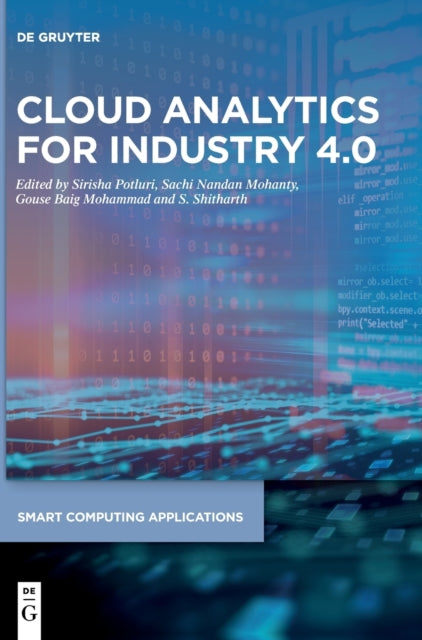
Cloud Analytics for Industry 4.0
Cloud Analytics for Industry 4.0
💎 Earn 783 Points (£7.83) on this item.
We can order this item for you. Delivery usually takes about 4 to 6 weeks.
This item is not held in our immediate stock. We will order it for you after checkout.
Estimated delivery: About 4 to 6 weeks
YOU SAVE £9.30
- Condition: Brand new
- UK Delivery times: Usually arrives within 2 - 3 working days
- UK Shipping: Fee starts at £3.89. Subject to product weight & dimension
Bulk ordering. Want 15 or more copies? Get a personalised quote and bigger discounts. Learn more about bulk orders.
Couldn't load pickup availability
- More about Cloud Analytics for Industry 4.0
This book provides research on data management in the fourth industrial revolution, focusing on cloud-based data analytics for digital manufacturing infrastructures. It gathers innovative techniques for secure, flexible, and profitable cloud manufacturing.
Format: Hardback
Length: 184 pages
Publication date: 03 October 2022
Publisher: De Gruyter
This comprehensive book delves into the cutting-edge approaches for data management in the era of the fourth industrial revolution, with a special emphasis on cloud-based data analytics for digital manufacturing infrastructures. It encompasses a wide range of innovative techniques and methods aimed at ensuring secure, flexible, and efficient cloud manufacturing solutions. By compiling advanced and specialized research in this selected area, the book aims to provide valuable insights and advancements for professionals and researchers alike.
The book explores the latest trends and advancements in cloud computing, big data analytics, and artificial intelligence, as they relate to digital manufacturing. It provides a comprehensive framework for understanding the challenges and opportunities presented by the adoption of cloud-based technologies in manufacturing.
Chapter 1 provides an introduction to the topic, highlighting the significance of data management in the fourth industrial revolution. It discusses the challenges faced by manufacturers in managing large amounts of data generated by various sources, such as sensors, machines, and employees. The chapter also introduces the concept of cloud-based data analytics and its potential benefits for digital manufacturing.
Chapter 2 explores the various cloud computing platforms and services available for digital manufacturing. It discusses the advantages and disadvantages of each platform, as well as the specific requirements and considerations for selecting the most suitable one. The chapter also provides an overview of the key features and functionalities of cloud computing, such as scalability, elasticity, and security.
Chapter 3 focuses on cloud-based data analytics for digital manufacturing. It discusses the different types of data analytics techniques, such as descriptive analytics, predictive analytics, and prescriptive analytics. The chapter also explores the use of machine learning algorithms, big data technologies, and data visualization tools to analyze and interpret manufacturing data.
Chapter 4 discusses the challenges and opportunities associated with cloud manufacturing. It explores the security concerns, data privacy issues, and regulatory compliance requirements that manufacturers need to consider when adopting cloud-based technologies. The chapter also provides best practices and strategies for ensuring the security and privacy of manufacturing data.
Chapter 5 explores the role of artificial intelligence in digital manufacturing. It discusses the use of AI algorithms, machine learning, and natural language processing to automate manufacturing processes, improve quality control, and enhance decision-making. The chapter also provides an overview of the different AI applications in manufacturing, such as supply chain management, quality assurance, and maintenance.
Chapter 6 concludes the book by summarizing the key findings and recommendations. It highlights the importance of continuous innovation and investment in data management and cloud-based technologies to stay competitive in the digital manufacturing industry. The chapter also provides suggestions for future research and development in this area.
In conclusion, this book provides a comprehensive and up-to-date exploration of the state-of-the-art methods for data management in the fourth industrial revolution, with a particular focus on cloud-based data analytics for digital manufacturing infrastructures. It offers valuable insights and practical recommendations for professionals and researchers seeking to leverage the power industry's potential for growth and innovation.
This comprehensive book delves into the cutting-edge approaches for data management in the era of the fourth industrial revolution, with a special emphasis on cloud-based data analytics for digital manufacturing infrastructures. It encompasses a wide range of innovative techniques and methods aimed at ensuring secure, flexible, and efficient cloud manufacturing solutions. By compiling advanced and specialized research in this selected area, the book aims to provide valuable insights and advancements for professionals and researchers alike.
The book explores the latest trends and advancements in cloud computing, big data analytics, and artificial intelligence, as they relate to digital manufacturing. It provides a comprehensive framework for understanding the challenges and opportunities presented by the adoption of cloud-based technologies in manufacturing.
Chapter 1 provides an introduction to the topic, highlighting the significance of data management in the fourth industrial revolution. It discusses the challenges faced by manufacturers in managing large amounts of data generated by various sources, such as sensors, machines, and employees. The chapter also introduces the concept of cloud-based data analytics and its potential benefits for digital manufacturing.
Chapter 2 explores the various cloud computing platforms and services available for digital manufacturing. It discusses the advantages and disadvantages of each platform, as well as the specific requirements and considerations for selecting the most suitable one. The chapter also provides an overview of the key features and functionalities of cloud computing, such as scalability, elasticity, and security.
Chapter 3 focuses on cloud-based data analytics for digital manufacturing. It discusses the different types of data analytics techniques, such as descriptive analytics, predictive analytics, and prescriptive analytics. The chapter also explores the use of machine learning algorithms.
Chapter 4 discusses the challenges and opportunities associated with cloud manufacturing. It explores the security concerns, data privacy issues, and regulatory compliance requirements that manufacturers need to consider when adopting cloud-based technologies. The chapter also provides best practices and strategies for ensuring the security and privacy of manufacturing data.
Chapter 5 explores the role.
Chapter 6 concludes the book by summarizing the key findings and recommendations. It highlights the importance of continuous innovation and investment in data management and cloud-based technologies to stay competitive in the digital manufacturing industry. The chapter also provides suggestions for future research and development in this area.
In conclusion, this book provides a comprehensive and up-to-date exploration of the state-of-the-art methods for data management in the fourth industrial revolution, with a particular focus on cloud-based data analytics for digital manufacturing infrastructures. It offers valuable insights and practical recommendations for professionals and researchers seeking to leverage the industry's potential for growth and innovation.
Weight: 456g
Dimension: 240 x 170 (mm)
ISBN-13: 9783110771497
UK and International shipping information
UK and International shipping information
We deliver throughout the United Kingdom and to 128 countries and territories worldwide, including the United States, Australia, Canada, Germany, Spain and France.