Shulph Ink
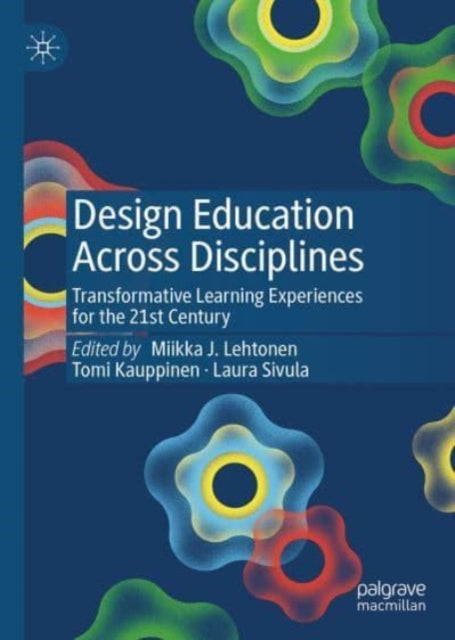
Design Education Across Disciplines: Transformative Learning Experiences for the 21st Century
Design Education Across Disciplines: Transformative Learning Experiences for the 21st Century
We can order this item for you. Delivery usually takes about 4 to 6 weeks.
This item is not held in our immediate stock. We will order it for you after checkout.
Estimated delivery: About 4 to 6 weeks
YOU SAVE £28.28
- Condition: Brand new
- UK Delivery times: Usually arrives within 2 - 3 working days
- UK Shipping: Fee starts at £3.89. Subject to product weight & dimension
Bulk ordering. Want 15 or more copies? Get a personalised quote and bigger discounts. Learn more about bulk orders.
Couldn't load pickup availability
- More about Design Education Across Disciplines: Transformative Learning Experiences for the 21st Century
Design thinking can transform higher education, with solutions ranging from single course sessions to whole programs and universities. It involves designing across disciplines, using disruptive technologies, ambiguity, and challenges as catalysts, and iteratively testing pedagogies, design-driven solutions, and creative uses of both tactile and digital worlds. Educators, leaders, designers, and managers of higher education institutes and companies can benefit from engaging with design ideas in their work.
Format: Hardback
Length: 277 pages
Publication date: 01 April 2023
Publisher: Springer International Publishing AG
Design thinking has the potential to revolutionize higher education, offering solutions that range from single course sessions to entire programs and universities. The authors of this book demonstrate how designing across disciplines can be achieved, utilizing disruptive technologies, ambiguity, and challenges as catalysts. Iteratively tested pedagogies, design-driven solutions, and creative uses of both tactile and digital worlds are among the approaches discussed. Educators and leaders of higher education institutes, as well as designers and managers of companies, will benefit from engaging with the design ideas in their own work.
Design Thinking in Higher Education
Design thinking has emerged as a powerful tool for transforming higher education, offering solutions that range from single course sessions to entire programs and universities. In this book, the authors explore how designing across disciplines can be achieved, utilizing disruptive technologies, ambiguity, and challenges as catalysts. Iteratively tested pedagogies, design-driven solutions, and creative uses of both tactile and digital worlds are among the approaches discussed. Educators and leaders of higher education institutes, as well as designers and managers of companies, will benefit from engaging with the design ideas in their own work.
Disruptive Technologies
One of the key aspects of design thinking is the use of disruptive technologies. These technologies can disrupt existing systems and processes, leading to new and innovative solutions. The authors provide examples of how disruptive technologies have been used in higher education, such as virtual and augmented reality, artificial intelligence, and blockchain. These technologies can enhance the learning experience, provide new opportunities for research, and improve the efficiency of administrative processes. However, the authors also caution that the use of disruptive technologies can be challenging, and that educators and leaders must be prepared to address the potential risks and challenges associated with them.
Ambiguity and Challenges
Ambiguity and challenges are also important aspects of design thinking. These can be used to stimulate creativity and innovation. The authors provide examples of how ambiguity and challenges have been used in higher education, such as design thinking workshops, design sprints, and hackathons. These activities can help students and faculty develop new skills and perspectives, and can lead to the development of new products and services. However, the authors also caution that ambiguity and challenges can be overwhelming, and that educators and leaders must be prepared to provide support and guidance to students and faculty.
Iteratively Tested Pedagogies
Iteratively tested pedagogies are another important aspect of design thinking. These pedagogies involve testing and refining teaching methods and strategies over time. The authors provide examples of how iteratively tested pedagogies have been used in higher education, such as problem-based learning, project-based learning, and inquiry-based learning. These pedagogies can help students develop critical thinking skills, problem-solving skills, and creativity. However, the authors also caution that iteratively tested pedagogies can be time-consuming and resource-intensive, and that educators and leaders must be prepared to invest in the necessary resources to implement them effectively.
Design-Driven Solutions
Design-driven solutions are another important aspect of design thinking. These solutions are designed to meet the needs of users and stakeholders. The authors provide examples of how design-driven solutions have been used in higher education, such as student-centered learning environments, campus design, and curriculum development. These solutions can help improve the quality of education, increase student engagement, and improve the overall experience of students and faculty. However, the authors also caution that design-driven solutions can be difficult to implement, and that educators and leaders must be prepared to work collaboratively with stakeholders to ensure that they are successful.
Creative Uses of Both Tactile and Digital Worlds
Creative uses of both tactile and digital worlds are also important aspects of design thinking. These uses can help students and faculty develop new skills and perspectives, and can lead to the development of new products and services. The authors provide examples of how creative uses of both tactile and digital worlds have been used in higher education, such as virtual and augmented reality, 3D printing, and digital storytelling. These uses can help students and faculty develop new skills and perspectives, and can lead to the development of new products and services. However, the authors also caution that creative uses of both tactile and digital worlds can be expensive, and that educators and leaders must be prepared to invest in the necessary resources to implement them effectively.
Conclusion
In conclusion, design thinking has the potential to revolutionize higher education, offering solutions that range from single course sessions to entire programs and universities. By utilizing disruptive technologies, ambiguity, and challenges as catalysts, educators and leaders of higher education institutes, as well as designers and managers of companies, can benefit from engaging with the design ideas in their own work. Iteratively tested pedagogies, design-driven solutions, and creative uses of both tactile and digital worlds are among the approaches discussed, and educators and leaders must be prepared to invest in the necessary resources to implement them effectively.
Weight: 529g
Dimension: 210 x 148 (mm)
ISBN-13: 9783031231513
Edition number: 1st ed. 2023
UK and International shipping information
UK and International shipping information
We deliver throughout the United Kingdom and to 128 countries and territories worldwide, including the United States, Australia, Canada, Germany, Spain and France.