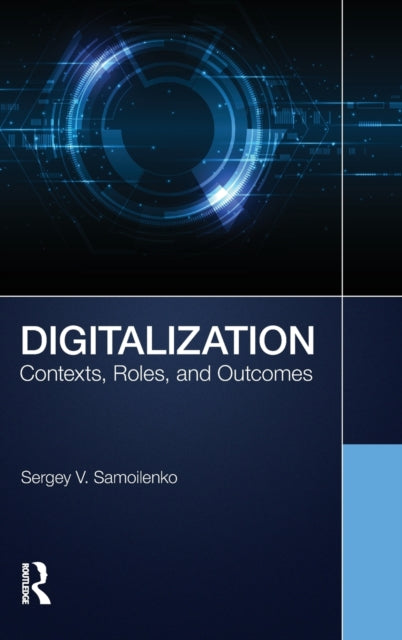
Sergey V.Samoilenko
Digitalization: Contexts, Roles, and Outcomes
Digitalization: Contexts, Roles, and Outcomes
We can order this item for you. Delivery usually takes about 4 to 6 weeks.
This item is not held in our immediate stock. We will order it for you after checkout.
Estimated delivery: About 4 to 6 weeks
YOU SAVE £11.00
- Condition: Brand new
- UK Delivery times: Usually arrives within 2 - 3 working days
- UK Shipping: Fee starts at £3.89. Subject to product weight & dimension
Bulk ordering. Want 15 or more copies? Get a personalised quote and bigger discounts. Learn more about bulk orders.
Couldn't load pickup availability
- More about Digitalization: Contexts, Roles, and Outcomes
Digitalization is the implementation of a modern computation model, similar to a centralized setup using a mainframe or an N-tier architecture. It can be used for various purposes, such as creating an e-commerce model, a global supply and distribution chain, or non-profit purposes like online education and telemedicine. This book aims to offer readers an entry point to inquiry into the different aspects of digitalization, identifying main directions for further inquiry and outlining obstacles along the way. It is beneficial to practitioners and researchers.
Format: Hardback
Length: 196 pages
Publication date: 20 July 2022
Publisher: Taylor & Francis Ltd
Digitalization, a transformative force, resembles the implementation of a modern computation model, encompassing centralized setups using mainframes or extending to N-tier architectures. Regardless of the specific implementation details, the conceptual model of data processing remains unchanged. At its core, digitalization is a system that harnesses digital technologies to create, conduct, and potentially expand business activities of various kinds. It empowers organizations to establish e-commerce models, establish global supply and distribution chains tailored to diverse business needs, and even pursue non-profit endeavors like online education, telemedicine, and e-government.
Digitalization's Contexts, Roles, and Outcomes delves into the socio-technical system of digitalization, exploring its contextual significance and the value it brings to the environments in which it operates. This book serves as a gateway for readers to embark on an exploration of the multifaceted aspects of digitalization. Its primary objective is to identify key areas for further inquiry while outlining the most apparent challenges along the way. The book aims to guide readers on their individualized journeys, synthesizing, developing, and presenting fundamental ideas, principles, and concepts to facilitate their understanding and application. Whether you are a practitioner or a researcher, this book offers valuable insights and guidance for navigating the world of digitalization.
The book encompasses several key chapters, each dedicated to exploring different dimensions of digitalization. The first chapter provides an overview of the functionality of digitalization, highlighting its ability to transform processes, enhance efficiency, and drive innovation. It explores the role of digital technologies in enabling organizations to streamline operations, improve customer experiences, and adapt to changing market dynamics.
The second chapter delves into the significance of digitalization, emphasizing its transformative impact on society. It explores how digitalization has reshaped industries, economies, and societies, fostering new business models, disrupting traditional practices, and creating new opportunities for growth and development. The chapter also examines the ethical and societal implications of digitalization, addressing concerns about privacy, security, and social inequality.
The third chapter focuses on identifying the context of digitalization, recognizing the importance of understanding the specific factors that shape and influence its implementation. It explores the role of social, economic, technological, and environmental factors in shaping the digitalization landscape, and how organizations can adapt their strategies to leverage these contextual factors for optimal outcomes.
The fourth chapter delves into designing a control system for digitalization, emphasizing the need for effective governance and management strategies. It discusses the importance of establishing clear policies, processes, and frameworks to ensure that digitalization initiatives are aligned with organizational goals, values, and objectives. The chapter also explores the role of leadership, collaboration, and change management in driving successful digitalization efforts.
The fifth chapter presents a cognitive model for the theory of digitalization, offering a comprehensive framework for understanding the dynamics and processes of digitalization. It explores the role of digital technologies, information systems, and human-computer interaction in shaping the digitalization landscape, and how organizations can leverage these elements to optimize their digital transformation efforts. The chapter also examines the role of cognitive biases, cognitive limitations, and cognitive biases in shaping digitalization outcomes.
The fifth chapter focuses on designing a theory of digitalization, building upon the foundations laid in the previous chapters. It explores the role of digital technologies, information systems, and human-computer interaction in shaping the digitalization landscape, and how organizations can leverage these elements to optimize their digital transformation efforts. The chapter also examines the role of cognitive biases, cognitive limitations, and cognitive biases in shaping digitalization outcomes.
In conclusion, Digitalization: Contexts, Roles, and Outcomes is a comprehensive and insightful exploration of the socio-technical system of digitalization, offering readers a foundational understanding of its contexts, roles, and outcomes. By examining the functionality of digitalization, the significance of digitalization, identifying the contextual factors shaping its implementation, designing effective control systems, developing a cognitive model for the theory of digitalization, and constructing a theory of digitalization, the book provides practitioners and researchers with valuable insights and guidance for navigating the world of digitalization. Whether you are seeking to enhance your understanding of digitalization's practical applications or delve into its theoretical foundations, this book serves as a valuable resource for advancing your knowledge and expertise in this rapidly evolving field.
Weight: 553g
Dimension: 234 x 156 (mm)
ISBN-13: 9781032114095
UK and International shipping information
UK and International shipping information
We deliver throughout the United Kingdom and to 128 countries and territories worldwide, including the United States, Australia, Canada, Germany, Spain and France.