Shulph Ink
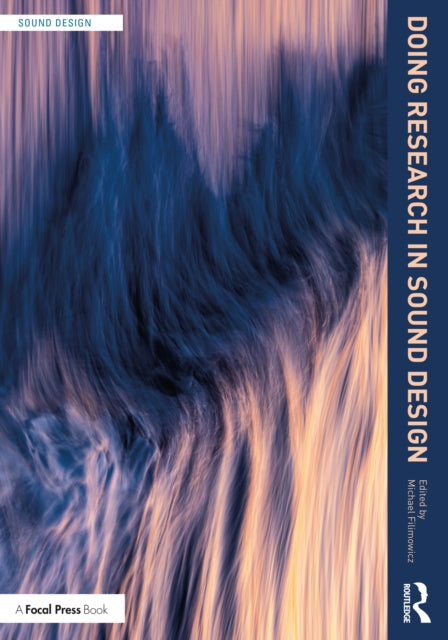
Doing Research in Sound Design
Doing Research in Sound Design
💎 Earn 264 Points (£2.64) on this item.
We can order this item for you. Delivery usually takes about 4 to 6 weeks.
This item is not held in our immediate stock. We will order it for you after checkout.
Estimated delivery: About 4 to 6 weeks
YOU SAVE £3.14
- Condition: Brand new
- UK Delivery times: Usually arrives within 2 - 3 working days
- UK Shipping: Fee starts at £2.39. Subject to product weight & dimension
Bulk ordering. Want 15 or more copies? Get a personalised quote and bigger discounts. Learn more about bulk orders.
Couldn't load pickup availability
- More about Doing Research in Sound Design
The book "Audio Production for Film and Television" is a comprehensive textbook that covers all aspects of sound design for film and television. It is written by leading researchers from around the world and provides a balance between theory and practice.
\n Format: Paperback / softback
\n Length: 372 pages
\n Publication date: 24 November 2021
\n Publisher: Taylor & Francis Ltd
\n
The Sound Design Handbook is a groundbreaking textbook that serves as a comprehensive resource for sound design, written specifically for professionals and enthusiasts in the field. This authoritative text is the result of a collaborative effort by a team of world-leading researchers from diverse countries and institutions, who have pooled their expertise and knowledge to create a comprehensive guide that covers the theoretical and practical aspects of sound design.
The Sound Design Handbook is divided into eight chapters, each covering a different aspect of sound design. The first chapter provides an introduction to the field, exploring its history, principles, and applications. It also introduces the key concepts and tools that will be used throughout the book.
The second chapter delves into the theoretical foundations of sound design, covering topics such as sound waves, frequency, amplitude, and timbre. It also discusses the principles of psychoacoustics, which are essential for understanding how humans perceive sound.
The third chapter focuses on the practical aspects of sound design, including recording and editing techniques, mixing and mastering, and sound design for different media such as film, television, and video games. It offers concrete examples and case studies to illustrate the practical applications of the theoretical concepts discussed in the previous chapters.
The fourth chapter explores the use of digital audio workstations (DAWs) and other software tools for sound design. It covers topics such as MIDI sequencing, audio processing, and virtual instruments, and demonstrates how these tools can be used to create complex and immersive soundscapes.
The fifth chapter explores the role of sound design in creating immersive experiences for audiences. It covers topics such as spatial audio, 3D sound, and interactive sound design, and demonstrates how these techniques can be used to create realistic and engaging sound environments.
The sixth chapter focuses on the ethical and legal considerations of sound design, covering topics such as copyright, intellectual property, and fair use. It also provides guidance on how to navigate the complex legal landscape of sound design and ensure that your work is protected and compliant with relevant laws and regulations.
The seventh chapter explores the future of sound design, covering emerging technologies and trends such as artificial intelligence, virtual reality, and augmented reality. It discusses how these technologies can be used to create new and innovative sound experiences and how sound designers can adapt to these changing technologies.
The eighth and final chapter provides a comprehensive bibliography and resource list for further reading and study. It includes a wide range of books, articles, and websites that cover all aspects of sound design, from the theoretical to the practical.
In conclusion, The Sound Design Handbook is a must-have resource for anyone interested in sound design. It is a comprehensive and authoritative text that covers the theoretical and practical aspects of sound design, and provides concrete examples and case studies to illustrate the applications of these concepts. Whether you are a professional sound designer, a student, or simply a hobbyist, this book will provide you with the knowledge and tools you need to create stunning and immersive soundscapes.
The Sound Design Handbook is a groundbreaking textbook that serves as a comprehensive resource for sound design, written specifically for professionals and enthusiasts in the field.
This authoritative text is the result of a collaborative effort by a team of world-leading researchers from diverse countries and institutions, who have pooled their expertise and knowledge to create a comprehensive guide that covers the theoretical and practical aspects of sound design.
The Sound Design Handbook is divided into eight chapters, each covering a different aspect of sound design.
The first chapter provides an introduction to the field, exploring its history, principles, and applications.
It also introduces the key concepts and tools that will be used throughout the book.
The second chapter delves into the theoretical foundations of sound design, covering topics such as sound waves, frequency, amplitude, and timbre.
It also discusses the principles of psychoacoustics, which are essential for understanding how humans perceive sound.
The third chapter focuses on the practical aspects of sound design, including recording and editing techniques, mixing and mastering, and sound design for different media such as film, television, and video games.
It offers concrete examples and case studies to illustrate the practical applications of the theoretical concepts discussed in the previous chapters.
The fourth chapter explores the use of digital audio workstations (DAWs) and other software tools for sound design.
It covers topics such as MIDI sequencing, audio processing, and virtual instruments, and demonstrates how these tools can be used to create complex and immersive soundscapes.
The fifth chapter explores the role of sound design in creating immersive experiences for audiences.
It covers topics such as spatial audio, 3D sound, and interactive sound design, and demonstrates how these techniques can be used to create realistic and engaging sound environments.
The sixth chapter focuses on the ethical and legal considerations of sound design, covering topics such as copyright, intellectual property, and fair use.
It also provides guidance. guidance on how to navigate the complex legal landscape of sound design and ensure that your work is protected and compliant with relevant laws and regulations.
The seventh chapter explores the future of sound design, covering emerging technologies and trends such as artificial intelligence, virtual reality, and augmented reality.
It discusses how these technologies can be used to create new and innovative sound experiences and how sound designers can adapt to these changing technologies.
The eighth and final chapter provides a comprehensive bibliography and resource list for further reading and study.
It includes a wide range of books, articles, and websites that cover all aspects of sound design, from the theoretical to the practical.
In conclusion, The Sound Design Handbook is a must-have resource for anyone interested in sound design.
It is a comprehensive and authoritative text that covers the theoretical and practical aspects of sound design, and provides concrete examples and case studies to illustrate the applications of these concepts.
Whether you are a professional sound designer, a student, or simply a hobbyist, this book will provide you with the knowledge and tools you need to create stunning and immersive soundscapes.
\n Weight: 712g\n
Dimension: 235 x 191 (mm)\n
ISBN-13: 9780367404895\n \n
This item can be found in:
UK and International shipping information
UK and International shipping information
UK Delivery and returns information:
- Delivery within 2 - 3 days when ordering in the UK.
- Shipping fee for UK customers from £2.39. Fully tracked shipping service available.
- Returns policy: Return within 30 days of receipt for full refund.
International deliveries:
Shulph Ink now ships to Australia, Belgium, Canada, France, Germany, Ireland, Italy, India, Luxembourg Saudi Arabia, Singapore, Spain, Netherlands, New Zealand, United Arab Emirates, United States of America.
- Delivery times: within 5 - 10 days for international orders.
- Shipping fee: charges vary for overseas orders. Only tracked services are available for most international orders. Some countries have untracked shipping options.
- Customs charges: If ordering to addresses outside the United Kingdom, you may or may not incur additional customs and duties fees during local delivery.