Shulph Ink
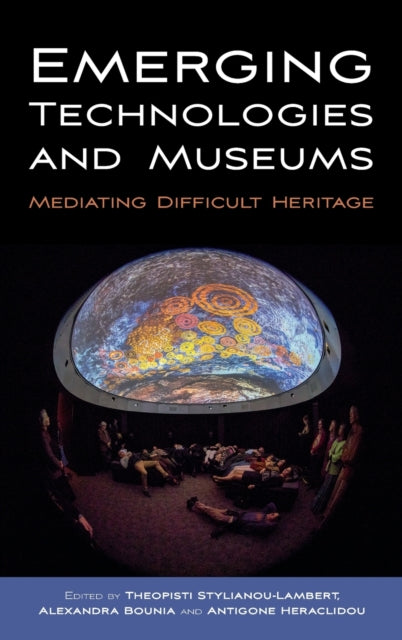
Emerging Technologies and Museums: Mediating Difficult Heritage
Emerging Technologies and Museums: Mediating Difficult Heritage
We can order this item for you. Delivery usually takes about 4 to 6 weeks.
This item is not held in our immediate stock. We will order it for you after checkout.
Estimated delivery: About 4 to 6 weeks
YOU SAVE £3.06
- Condition: Brand new
- UK Delivery times: Usually arrives within 2 - 3 working days
- UK Shipping: Fee starts at £3.89. Subject to product weight & dimension
Bulk ordering. Want 15 or more copies? Get a personalised quote and bigger discounts. Learn more about bulk orders.
Couldn't load pickup availability
- More about Emerging Technologies and Museums: Mediating Difficult Heritage
Emerging technologies can reveal, negotiate, and display difficult, dissonant, negative, or undesirable heritage in museums, providing alternative experiences and challenging preconceptions.
Format: Hardback
Length: 252 pages
Publication date: 14 January 2022
Publisher: Berghahn Books
Emerging technologies in museums have the potential to revolutionize the way we engage with and interpret cultural heritage. By leveraging cutting-edge tools and techniques, museums can present complex and challenging narratives in new and innovative ways, fostering deeper understanding and empathy among visitors. One of the key ways in which emerging technologies can display, reveal, and negotiate difficult, dissonant, negative, or undesirable heritage is through the use of interactive exhibits and multimedia installations. These technologies allow museums to create immersive and interactive experiences that engage visitors on multiple levels, encouraging them to explore and interpret the material in their own way.
Interactive exhibits, for example, can use touchscreens, virtual reality, and augmented reality to transport visitors to different historical contexts or cultural environments. By providing a sensory and experiential approach to learning, these exhibits can help visitors to connect with the past in a more meaningful and personal way. Multimedia installations, on the other hand, can present a wide range of multimedia content, including audio, video, text, and images, in a visually compelling and engaging way. This content can be used to illustrate complex historical events, showcase cultural traditions, and explore the human experience in a way that is both informative and emotionally resonant.
Another way in which emerging technologies can display, reveal, and negotiate difficult, dissonant, negative, or undesirable heritage is through the use of data visualization and storytelling. By presenting data in a visually appealing and accessible way, museums can help visitors to understand complex historical patterns and trends, as well as the social and cultural factors that have shaped them. Data visualization can also be used to highlight the voices and experiences of marginalized communities, providing a platform for their stories to be heard and understood.
In addition to these technological approaches, emerging technologies can also be used to facilitate dialogue and engagement with visitors about difficult, dissonant, negative, or undesirable heritage. Museums can use social media, online forums, and other digital platforms to create spaces for visitors to share their experiences, perspectives, and questions. By encouraging open and respectful dialogue, museums can help to break down barriers and promote understanding and empathy among different communities.
However, it is important to note that the use of emerging technologies in museums also presents challenges and ethical considerations. For example, the use of immersive technologies can create a sense of detachment and dislocation, potentially alienating visitors from their own cultural heritage. Additionally, the use of data and multimedia content can raise concerns about privacy, consent, and the representation of marginalized communities. Museums must therefore carefully consider the ethical implications of their use of emerging technologies and work to ensure that they are used in a responsible and respectful way.
In conclusion, emerging technologies in museums have the potential to transform the way we engage with and interpret cultural heritage. By leveraging interactive exhibits, multimedia installations, data visualization, storytelling, and digital platforms, museums can present difficult, dissonant, negative, or undesirable heritage in new and innovative ways, fostering deeper understanding and empathy among visitors. However, it is important to approach these technologies with caution and consideration of their ethical implications, ensuring that they are used in a responsible and respectful way.
Emerging technologies in museums have the potential to revolutionize the way we engage with and interpret cultural heritage. By leveraging cutting-edge tools and techniques, museums can present complex and challenging narratives in new and innovative ways, fostering deeper understanding and empathy among visitors. One of the key ways in which emerging technologies can display, reveal, and negotiate difficult, dissonant, negative, or undesirable heritage is through the use of interactive exhibits and multimedia installations. These technologies allow museums to create immersive and interactive experiences that engage visitors on multiple levels, encouraging them to explore and interpret the material in their own way.
Interactive exhibits, for example, can use touchscreens, virtual reality, and augmented reality to transport visitors to different historical contexts or cultural environments. By providing a sensory and experiential approach to learning, these exhibits can help visitors to connect with the past in a more meaningful and personal way. Multimedia installations, on the other hand, can present a wide range of multimedia content, including audio, video, text, and images, in a visually compelling and engaging way. This content can be used to illustrate complex historical events, showcase cultural traditions, and explore the human experience in a way that is both informative and emotionally resonant.
Another way in which emerging technologies can display, reveal, and negotiate difficult, dissonant, negative, or undesirable heritage is through the use of data visualization and storytelling. By presenting data in a visually appealing and accessible way, museums can help visitors to understand complex historical patterns and trends, as well as the social and cultural factors that have shaped them. Data visualization can also be used to highlight the voices and experiences of marginalized communities, providing a platform for their stories to be heard and understood.
In addition to these technological approaches, emerging technologies can also be used to facilitate dialogue and engagement with visitors about difficult, dissonant, negative, or undesirable heritage. Museums can use social media, online forums, and other digital platforms to create spaces for visitors to share their experiences, perspectives, and questions. By encouraging open and respectful dialogue, museums can help to break down barriers and promote understanding and empathy among different communities.
However, it is important to note that the use of emerging technologies in museums also presents challenges and ethical considerations. For example, the use of immersive technologies can create a sense of detachment and dislocation, potentially alienating visitors from their own cultural heritage. Additionally, the use of data and multimedia content can raise concerns about privacy, consent, and the representation of marginalized communities. Museums must therefore
Therefore, museums must carefully consider the ethical implications of their use of emerging technologies and work to ensure that they are used in a responsible and respectful way.
In conclusion, emerging technologies in museums have the potential to transform the way we engage with and interpret cultural heritage. By leveraging interactive exhibits, multimedia installations, data visualization, storytelling, and digital platforms, museums can present difficult, dissonant, negative, or undesirable heritage in new and innovative ways, fostering deeper understanding and empathy among visitors. However, it is important to approach these technologies with caution and consideration of their ethical implications, ensuring that they are used in a responsible and respectful way.
Dimension: 229 x 152 (mm)
ISBN-13: 9781800733749
UK and International shipping information
UK and International shipping information
We deliver throughout the United Kingdom and to 128 countries and territories worldwide, including the United States, Australia, Canada, Germany, Spain and France.