Shulph Ink
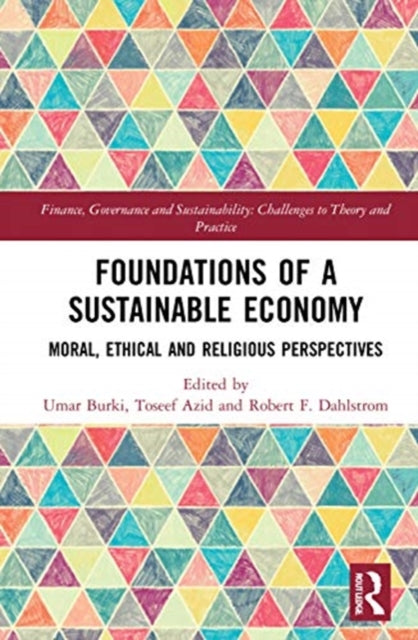
Foundations of a Sustainable Economy: Moral, Ethical and Religious Perspectives
Foundations of a Sustainable Economy: Moral, Ethical and Religious Perspectives
💎 Earn 689 Points (£6.89) on this item.
We can order this item for you. Delivery usually takes about 4 to 6 weeks.
This item is not held in our immediate stock. We will order it for you after checkout.
Estimated delivery: About 4 to 6 weeks
YOU SAVE £8.18
- Condition: Brand new
- UK Delivery times: Usually arrives within 2 - 3 working days
- UK Shipping: Fee starts at £3.89. Subject to product weight & dimension
Bulk ordering. Want 15 or more copies? Get a personalised quote and bigger discounts. Learn more about bulk orders.
Couldn't load pickup availability
- More about Foundations of a Sustainable Economy: Moral, Ethical and Religious Perspectives
This book explores current practices related to sustainable development, its challenges, and the future. It argues that people belonging to different genders, regardless of age, social class, and education, should be equal as citizens and individuals, with identical rights and responsibilities. The business sector, authorities, societies, and religious circles have the potential to play a fundamental role in curbing social ills and the degradation of the environment. Good governance is essential for improving the status of human beings, and sustainability requires government, society, and the economy to provide a platform for people to participate in decision-making and benefit from their rights. The book covers a range of perspectives across economic, social, and moral life and will be a useful guide for undergraduate and postgraduate students across multiple disciplines.
Format: Hardback
Length: 364 pages
Publication date: 29 July 2021
Publisher: Taylor & Francis Ltd
Sustainable development is a complex and multifaceted concept that encompasses a wide range of practices and initiatives aimed at promoting economic growth, social well-being, and environmental protection. It is a pressing issue that requires the collective efforts of individuals, organizations, and governments from around the world. In this book, we will explore the current practices related to sustainable development, its challenges, and the future.
One of the key challenges facing sustainable development is the unequal distribution of resources and opportunities among people belonging to different genders, regardless of their age, social class, and education. This inequality creates barriers to social mobility, economic empowerment, and environmental sustainability. To address this issue, it is essential to promote gender equality and empower women and girls to participate fully in all aspects of society.
Another challenge is the impact of the business sector on social ills and the degradation of the environment. While businesses have the potential to create economic value and drive innovation, they can also contribute to environmental degradation, social inequality, and human rights abuses. Therefore, it is crucial for businesses to adopt sustainable practices and promote responsible business conduct.
Authorities, societies, and religious circles also have a significant role to play in curbing social ills and promoting sustainable development. Governments can implement policies and regulations that promote sustainable development, such as renewable energy policies, waste management regulations, and environmental protection laws. Societies can promote sustainable practices through education, awareness campaigns, and community engagement. Religious circles can promote sustainable values and ethics through their teachings and practices.
The authors of this book argue that without good governance, the status of a human being is unlikely to improve. Good governance involves effective decision-making, transparency, accountability, and the participation of citizens in the process. It requires the establishment of a platform for people to participate in decision-making and benefit from the rights they are accorded. To achieve sustainability, government, society, and the economy must ensure a platform for people to participate in decision-making and benefit from the rights they are accorded.
The book will cover a range of perspectives across economic, social, and moral life, under the umbrella of morals and divine law. It will shed light on the problems and possible solutions to sustainable development and the triple bottom line of people, planet, and profit, under the umbrella of morals and divine law. This will be a useful guide for undergraduate and postgraduate students across multiple disciplines, such as economics, religious studies, business studies, political science, anthropology, and sociology.
In conclusion, sustainable development is a critical issue that requires the collective efforts of individuals, organizations, and governments from around the world. By promoting gender equality, empowering women and girls, adopting sustainable practices, promoting responsible business conduct, and engaging authorities, societies, and religious circles, we can create a more sustainable and equitable future for all.
Weight: 738g
Dimension: 162 x 242 x 30 (mm)
ISBN-13: 9780367818784
UK and International shipping information
UK and International shipping information
We deliver throughout the United Kingdom and to 128 countries and territories worldwide, including the United States, Australia, Canada, Germany, Spain and France.