Shulph Ink
Gender Inequalities: GIS Approaches to Gender Analysis
Gender Inequalities: GIS Approaches to Gender Analysis
💎 Earn 240 Points (£2.40) on this item.
We can order this item for you. Delivery usually takes about 4 to 6 weeks.
This item is not held in our immediate stock. We will order it for you after checkout.
Estimated delivery: About 4 to 6 weeks
YOU SAVE £2.86
- Condition: Brand new
- UK Delivery times: Usually arrives within 2 - 3 working days
- UK Shipping: Fee starts at £3.89. Subject to product weight & dimension
Bulk ordering. Want 15 or more copies? Get a personalised quote and bigger discounts. Learn more about bulk orders.
Couldn't load pickup availability
- More about Gender Inequalities: GIS Approaches to Gender Analysis
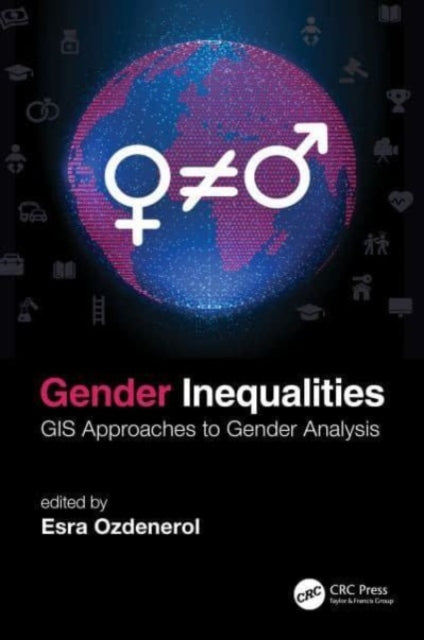
This book explores how GIS and spatial analysis can be used to understand and address gender inequality at macro and micro levels, with a focus on case studies such as gender-based violence, gender-inequality in the labor force, and refugee mapping.
Format: Paperback / softback
Length: 248 pages
Publication date: 31 May 2023
Publisher: Taylor & Francis Ltd
Gender inequality is deeply ingrained in the cultural, political, and market systems that operate at various levels, including households, communities, and nations. The impact of global changes in market access, climate conditions, and the availability of natural resources on gender disparities in income, assets, and power is significant. This book seeks to unravel these complex gender dynamics through the use of GIS and spatial analysis.
In the first part of the book, we delve into the fundamental concepts of integrating GIS in gender inequality research. We explore how geospatial data can be used to map and analyze gender-related phenomena, such as gender-based violence, gender-inequality in the labor force, and refugee mapping. By leveraging the power of GIS, researchers can gain a deeper understanding of the spatial distribution of gender inequalities and identify patterns and trends that may otherwise go unnoticed.
The second part of the book presents more in-depth case studies that showcase the practical applications of GIS in addressing gender inequality. These case studies are carefully selected to provide a comprehensive overview of the field and cover a wide range of topics, including women's empowerment, gender-based violence, and access to education and healthcare. Each case study is accompanied by detailed analysis and visualizations that help illustrate the key findings and insights.
By combining GIS and spatial analysis, this book offers a powerful tool for researchers, policymakers, and activists working to promote gender equality and address gender-based disparities. It provides a comprehensive framework for understanding and analyzing gender dynamics at macro and micro levels, and offers valuable insights into the strategies and interventions that can be effective in promoting gender equity and social justice.
In conclusion, gender inequality is a complex and multifaceted issue that requires a multi-faceted approach. This book aims to contribute to the understanding of gender dynamics through the use of GIS and spatial analysis, and provides a valuable resource for researchers, policymakers, and activists working to promote gender equality and social justice.
Weight: 453g
Dimension: 234 x 156 (mm)
ISBN-13: 9780367696641
UK and International shipping information
UK and International shipping information
We deliver throughout the United Kingdom and to 128 countries and territories worldwide, including the United States, Australia, Canada, Germany, Spain and France.