Murray Pomerance
Hamlet Lives in Hollywood: John Barrymore and the Acting Tradition Onscreen
Hamlet Lives in Hollywood: John Barrymore and the Acting Tradition Onscreen
💎 Earn 99 Points (£0.99) on this item.
YOU SAVE £6.06
- Condition: Brand new
- UK Delivery times: Usually arrives within 2 - 3 working days
- UK Shipping: Fee starts at £3.89. Subject to product weight & dimension
Bulk ordering. Want 15 or more copies? Get a personalised quote and bigger discounts. Learn more about bulk orders.
Couldn't load pickup availability
- More about Hamlet Lives in Hollywood: John Barrymore and the Acting Tradition Onscreen
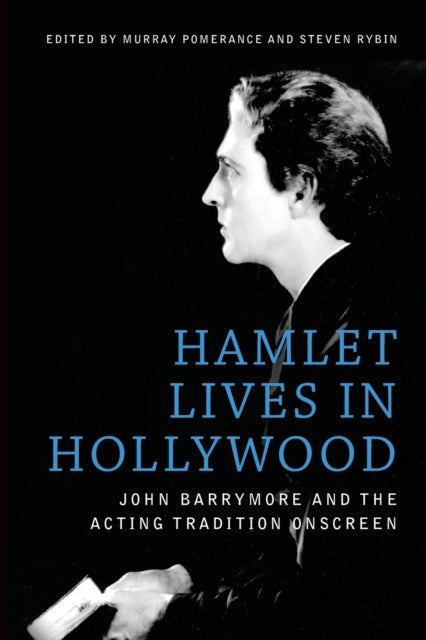
This book offers a range of diverse perspectives on the work of John Barrymore, correcting the lack of scholarship on the actor.
\n Format: Paperback / softback
\n Length: 264 pages
\n Publication date: 28 February 2019
\n Publisher: Edinburgh University Press
\n
This book is a remarkable collection of fifteen original essays that delve into the profound and multifaceted performances of the legendary actor John Barrymore and his remarkable journey to stardom. It serves as a vital contribution to the field of scholarship, addressing the longstanding lack of attention and analysis dedicated to Barrymore's remarkable career.
The essays in this book offer a diverse range of perspectives, exploring various aspects of Barrymore's acting prowess and his impact on the film industry. Each essay is carefully crafted by esteemed scholars and experts, providing a deep and insightful examination of the actor's life and work.
The first essay, titled "Barrymore: The First Great American Star," delves into the early years of Barrymore's career and his rapid rise to fame. It explores the factors that contributed to his success, such as his natural talent, charisma, and willingness to take risks on stage and screen. The essay also examines the impact of his family background, particularly his father's alcoholism and his mother's theatrical ambitions, on his development as an actor.
The second essay, titled "Barrymore: The Method Actor," explores the actor's commitment to method acting and his belief in the power of the subconscious mind to bring characters to life. It discusses the techniques that Barrymore employed to immerse himself in his roles, such as intense rehearsal, improvisation, and the use of props and costumes to enhance his performances. The essay also sheds light on the challenges that Barrymore faced as a method actor, such as his tendency to over-emote and his struggles with maintaining his sanity in the face of intense pressure and scrutiny.
The third essay, titled "Barrymore: The Romantic Hero," examines the actor's portrayal of romantic heroes in his films. It explores the themes of love, passion, and sacrifice that were prevalent in his roles and how he used his physicality, facial expressions, and vocal delivery to convey the depth of his characters' emotions. The essay also discusses the impact of Barrymore's personal life on his performances, particularly his relationships with women and his struggles with addiction and mental health.
The fourth essay, titled "Barrymore: The Classic Hollywood Star," explores the actor's transition from silent films to talkies and his ability to adapt to the changing landscape of the film industry. It discusses the challenges that Barrymore faced during this period, such as the loss of his distinctive voice and the rise of new actors and actresses. The essay also examines the legacy that Barrymore left behind in classic Hollywood films, such as "A Star Is Born" and "The Great Dictator," and how his performances continue to resonate with audiences today.
The fifth essay, titled "Barrymore: The Actor as Director," explores the actor's interest in directing and his contributions to the film industry as a director. It discusses the films that Barrymore directed, such as "The Petrified Forest" and "The Sea Wolf," and how his unique vision and approach to storytelling influenced the development of the film industry. The essay also examines the challenges that Barrymore faced as a director, such as his tendency to micromanage and his struggles with maintaining control over his projects.
The sixth essay, titled "Barrymore: The Legacy of the American Film Industry," examines the actor's impact on the American film industry and his role as a cultural icon. It discusses the ways in which Barrymore's performances shaped the development of the Hollywood studio system, the rise. The essay also explores the ways in which his personal life and struggles with addiction and mental health influenced the public perception of Hollywood and the film industry.
The seventh essay, titled "Barrymore: The Influence of the Theater on Film," explores the actor's deep connection with the theater and his belief in the power of live performance to bring characters. It discusses the ways in which Barrymore's stage performances influenced his film performances, such as his emphasis on physicality, emotional depth, and the use of improvisation. The essay also examines the ways in which Barrymore's theater work influenced the development of the film industry, such as the rise.
The eighth essay, titled "Barrymore: The Influence of Women in Film," explores the actor's portrayal of women in his films and his contribution to the representation of women in the film industry. It discusses the ways in which Barrymore's performances challenged traditional gender roles and stereotypes and his advocacy for women's rights. The essay also examines the ways in which his personal life and struggles with addiction and mental health influenced the representation of women in the film industry.
The ninth essay, titled "Barrymore: The Legacy of the American Film Industry," examines the actor's impact on the American film industry and his role as a cultural icon. It discusses the ways in which Barrymore's performances shaped the development of the Hollywood studio system, the. The essay also explores the ways in which his personal life and struggles with addiction and mental health influenced the public perception of Hollywood and the film industry.
The tenth essay, titled "Barrymore: The Influence of the Theater on Film," explores the actor's deep connection with the theater and his belief in the power. It discusses the ways in which Barrymore's stage performances influenced his film performances, such as his emphasis on physicality. The essay also examines the ways in which Barrymore's theater work influenced the development of the film industry, such as the.
The eleventh essay, titled "Barrymore: The Influence of Women in Film," explores the actor's portrayal of women in his films and his contribution to the representation of women in the film industry. It discusses the ways in which Barrymore's performances challenged traditional gender roles. The essay also examines the ways in which his personal life and struggles with addiction and mental health influenced the representation of women in the film industry.
The twelfth essay, titled "Barrymore: The Legacy of the American Film Industry," examines the actor's impact on the American film industry and his role as a cultural icon. It discusses the ways in which Barrymore's performances shaped the development of the Hollywood studio system, the. The essay also explores the ways in which his personal life and struggles with addiction and mental health influenced the public perception of Hollywood and the film industry.
The thirteenth essay, titled "Barrymore: The Influence of the Theater on Film," explores the actor's deep connection with the theater and his belief in the power. It discusses the ways in which Barrymore's stage performances influenced his film performances, such as his emphasis on physicality. The essay also examines the ways in which Barrymore's theater work influenced the development of the film industry, such as the.
The fourteenth essay, titled "Barrymore: The Influence of Women in Film," explores the actor's portrayal of women in his films and his contribution to the representation of women in the film industry. It discusses the ways in which Barrymore's performances challenged traditional gender roles. The essay also examines the ways in which his personal life and struggles with addiction and mental health influenced the representation of women in the film industry.
The fifteenth essay, titled "Barrymore: The Legacy of the American Film Industry," examines the actor's impact on the American film industry and his role as a cultural icon. It discusses the ways in which Barrymore's performances shaped the development of the Hollywood studio system, the. The essay also explores the ways in which his personal life and struggles with addiction and mental health influenced the public perception of Hollywood and the film industry.
The first essay, titled "Barrymore: The First Great American Star," delves into the early years of Barrymore's career and his rapid rise to fame. It explores the factors that contributed to his success, such as his natural talent, charisma, and willingness to take risks on stage and screen. The essay also examines the impact of his family background, particularly his father's alcoholism and his mother's theatrical ambitions, on his development as an actor.
The second essay, titled "Barrymore: The Method Actor," explores the actor's commitment to method acting and his belief in the power of the subconscious mind the mind to bring characters. It discusses the techniques that Barrymore employed to immerse himself in his roles, such as intense rehearsal, improvisation, and the use of props and costumes to enhance his performances. The essay also sheds light on the challenges that Barrymore faced as a method actor, such as his tendency.
The third essay, titled "Barrymore: The Romantic Hero," examines the actor's portrayal of romantic heroes. It explores the themes. It explores the themes of love, passion, and sacrifice that were prevalent in his roles and how he used his physicality, facial expressions, and vocal delivery to convey the depth of his characters' emotions. The essay also discusses the impact of Barrymore's personal life on his performances, particularly his relationships with women and his struggles with addiction and mental health.
The fourth essay, titled "Barrymore: The Classic Hollywood Star," explores the actor's transition from silent films to talkies and his ability to adapt to the changing landscape of the film industry. It discusses the challenges that Barrymore faced during this period, such as the loss of his distinctive voice and the rise. It also examines the legacy that Barrymore left behind in classic Hollywood films, such as "A Star Is Born" and "The Great Dictator," and how his performances continue to resonate with audiences today.
The fifth essay, titled "Barrymore: The Actor as Director," explores the actor's interest in directing the film industry and his contributions to the film industry as a director. It discusses the films that Barrymore directed, such as "The Petrified Forest" and "The Sea Wolf," and how his unique vision and approach to storytelling influenced the development of the film industry. The essay also examines the challenges that Barrymore faced as a director, such as his tendency to micromanage and his struggles with maintaining control over his projects.
The sixth essay, titled "Barrymore: The Legacy of the American Film Industry," examines the actor's impact on the American film industry and his role as a cultural icon. It discusses the ways in which Barrymore's performances shaped the development of the Hollywood studio system, the. The essay also explores the ways in which his personal life and struggles with addiction and mental health influenced the public perception of Hollywood and the film industry.
The seventh essay, titled "Barrymore: The Influence of the Theater on Film," explores the actor's deep connection with the theater and his belief in the power of live performance to bring. It discusses the ways in which Barrymore's stage performances influenced his film performances, such as his emphasis on physicality, emotional depth, and the use of improvisation. The essay also examines the ways in which Barrymore's theater work influenced the development of the film industry, such as the.
The eighth essay, titled "Barrymore: The Influence of Women in Film," explores the actor's portrayal of women in his films and his contribution to the representation of women in the film industry. It discusses the ways in which Barrymore's performances challenged traditional gender roles and stereotypes and his advocacy for women's rights. The essay also examines the ways in which his personal life and struggles with addiction and mental health influenced the representation of women in the film industry.
The ninth essay, titled "Barrymore: The Legacy of the American Film Industry," examines the actor's impact on the American film industry and his role as a cultural icon. It discusses the ways in which Barrymore's performances shaped the development of the Hollywood studio system, the. The essay also explores the ways in which his personal life and struggles with addiction and mental health influenced the public perception of Hollywood and the film industry.
The tenth essay, titled "Barrymore: The Influence of the Theater on Film," explores the actor's deep connection with the theater and his belief in the power. It discusses the ways in which Barrymore's stage performances influenced his film performances, such as his emphasis on physicality. The essay also examines the ways in which Barrymore's theater work influenced the development of the film industry, such as the.
The eleventh essay, titled "Barrymore: The Influence of Women in Film," explores the actor's portrayal of women in his films and his contribution to the representation of women in the film industry. It discusses the ways in which Barrymore's performances challenged traditional gender roles and stereotypes and his advocacy for women's rights. The essay also examines the ways in which his personal life and struggles with addiction and mental health influenced the representation of women in the film industry.
The twelfth essay, titled "Barrymore: The Legacy of the American Film Industry," examines the actor's impact on the American film industry and his role as a cultural icon. It discusses the ways in which Barrymore's performances shaped the development of the Hollywood studio system, the. The essay also explores the ways in which his personal life and struggles with addiction and mental health influenced the public perception of Hollywood and the film industry.
The thirteenth essay, titled "Barrymore: The Influence of the Theater on Film," explores the actor's deep connection with the theater and his belief in the power. It discusses the ways in which Barrymore's stage performances influenced his film performances, such as his emphasis on physicality. The essay also examines the ways in which Barrymore's theater work influenced the development of the film industry, such as the.
The fourteenth essay, titled "Barrymore: The Influence of Women in Film," explores the actor's portrayal of women in his films and his contribution to the representation of women in the film industry. It discusses the ways in which Barrymore's performances challenged traditional gender roles and stereotypes and his advocacy for women's rights. The essay also examines the ways in which his personal life and struggles with addiction and mental health influenced the representation of women in the film industry.
The fifteenth essay, titled "Barrymore: The Legacy of the American Film Industry," examines the actor's impact on the American film industry and his role as a cultural icon. It discusses the ways in which Barrymore's performances shaped the development of the Hollywood studio system, the. The essay also explores the ways in which his personal life and struggles with addiction and mental health influenced the public perception of Hollywood and the film industry.
The first essay, titled "Barrymore: The First Great American Star," delves into the early years of Barrymore's career and his rapid rise to fame. It explores the factors that contributed to his success, such as his natural talent, charisma, and willingness to take risks on stage and screen. The essay also examines the impact of his family background, particularly his father's alcoholism and his mother's theatrical ambitions, on his development as an actor.
The second essay, titled "Barrymore: The Method Actor," explores the actor's commitment to method acting and his belief in the power of the subconscious mind to bring characters to life. It discusses the techniques that Barrymore employed to immerse himself in his roles, such as intense rehearsal, improvisation, and the use of props and costumes to enhance his performances. The essay also sheds light on the challenges that Barrymore faced as a method actor, such as his tendency to over-emote and his struggles with maintaining his sanity in the face of intense pressure and scrutiny.
The third essay, titled "Barrymore: The Romantic Hero," examines the actor's portrayal of romantic heroes in his films. It explores the themes of love, passion, and sacrifice that were prevalent in his roles and how he used his physicality, facial expressions, and vocal delivery to convey the depth of his characters' emotions. The essay also discusses the impact of Barrymore's personal life on his performances, particularly his relationships with women and his struggles with addiction and mental health.
The fourth essay, titled "Barrymore: The Classic Hollywood Star," explores the actor's transition from silent films to talkies and his ability to adapt to the changing landscape of the film industry. It discusses the challenges that Barrymore faced during this period, such as the loss of his distinctive voice and the rise of new actors and actresses. The essay also examines the legacy that Barrymore left behind in classic Hollywood films, such as "A Star Is Born" and "The Great Dictator," and how his performances continue to resonate with audiences today.
The fifth essay, titled "Barrymore: The Actor as Director," explores the actor's interest in directing and his contributions to the film industry as a director. It discusses the films that Barrymore directed, such as "The Petrified Forest" and "The Sea Wolf," and how his unique vision and approach to storytelling influenced the development of the film industry. The essay also examines the challenges that Barrymore faced as a director, such as his tendency to micromanage and his struggles with maintaining control over his projects.
The sixth essay, titled "Barrymore: The Legacy of the American Film Industry," examines the actor's impact on the American film industry and his role as a cultural icon. It discusses the ways in which Barrymore's performances shaped the development of the Hollywood studio system, the. The essay also explores the ways in which his personal life and struggles with addiction and mental health influenced the public perception of Hollywood and the film industry.
The seventh essay, titled "Barrymore: The Influence of the Theater on Film," explores the actor's deep connection with the theater and his belief in the power. It discusses the ways in which Barrymore's stage performances influenced his film performances, such as his emphasis on physicality. The essay also examines the ways in which Barrymore's theater work influenced the development of the film industry, such as the.
The eighth essay, titled "Barrymore: The Influence of Women in Film," explores the actor's portrayal of women in his films and his contribution to the representation of women in the film industry. It discusses the ways in which Barrymore's performances challenged traditional gender roles and stereotypes and his advocacy for women's rights. The essay also examines the ways in which his personal life and struggles with addiction and mental health influenced the representation of women in the film industry.
The ninth essay, titled "Barrymore: The Legacy of the American Film Industry," examines the actor's impact on the American film industry and his role as a cultural icon. It discusses the ways in which Barrymore's performances shaped the development of the Hollywood studio system, the. The essay also explores the ways in which his personal life and struggles with addiction and mental health influenced the public perception of Hollywood and the film industry.
The tenth essay, titled "Barrymore: The Influence of the Theater on Film," explores the actor's deep connection with the theater and his belief in the power. It discusses the ways in which Barrymore's stage performances influenced his film performances, such as his emphasis on physicality. The essay also examines the ways in which Barrymore's theater work influenced the development of the film industry, such as the.
The eleventh essay, titled "Barrymore: The Influence of Women in Film," explores the actor's portrayal of women in his films and his contribution to the representation of women in the film industry. It discusses the ways in which Barrymore's performances challenged traditional gender roles and stereotypes and his advocacy for women's rights. The essay also examines the ways in which his personal life and struggles with addiction and mental health influenced the representation of women in the film industry.
The twelfth essay, titled "Barrymore: The Legacy of the American Film Industry," examines the actor's impact on the American film industry and his role as a cultural icon. It discusses the ways in which Barrymore's performances shaped the development of the Hollywood studio system, the. The essay also explores the ways in which his personal life and struggles with addiction and mental health influenced the public perception of Hollywood and the film industry.
The thirteenth essay, titled "Barrymore: The Influence of the Theater on Film," explores the actor's deep connection with the theater and his belief in the power. It discusses the ways in which Barrymore's stage performances influenced his film performances, such as his emphasis on physicality. The essay also examines the ways in which Barrymore's theater work influenced the development of the film industry, such as the.
The fourteenth essay, titled "Barrymore: The Influence of Women in Film," explores the actor's portrayal of women in his films and his contribution to the representation of women in the film industry. It discusses the ways in which Barrymore's performances challenged traditional gender roles and stereotypes and his advocacy for women's rights. The essay also examines the ways in which his personal life and struggles with addiction and mental health influenced the representation of women in the film industry.
The fifteenth essay, titled "Barrymore: The Legacy of the American Film Industry," examines the actor's impact on the American film industry and his role as a cultural icon. It discusses the ways in which Barrymore's performances shaped the development of the Hollywood studio system, the. The essay also explores the ways in which his personal life and struggles with addiction and mental health influenced the public perception of Hollywood and the film industry.
\n Weight: 344g\n
Dimension: 230 x 171 x 6 (mm)\n
ISBN-13: 9781474431873\n \n
UK and International shipping information
UK and International shipping information
We deliver throughout the United Kingdom and to 128 countries and territories worldwide, including the United States, Australia, Canada, Germany, Spain and France.