
Shulph Ink
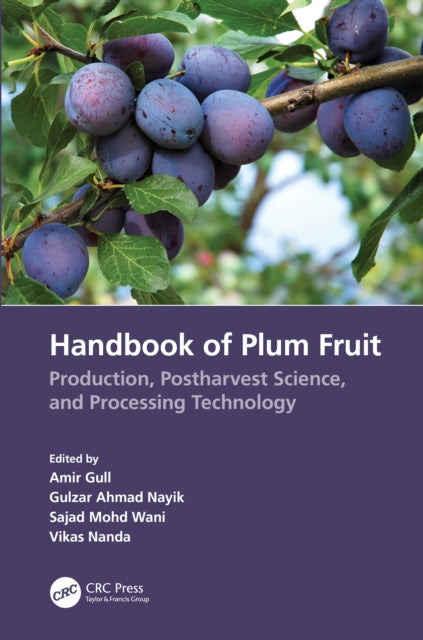
Handbook of Plum Fruit: Production, Postharvest Science, and Processing Technology
Handbook of Plum Fruit: Production, Postharvest Science, and Processing Technology
We can order this item for you. Delivery usually takes about 4 to 6 weeks.
This item is not held in our immediate stock. We will order it for you after checkout.
Estimated delivery: About 4 to 6 weeks
YOU SAVE £18.48
- Condition: Brand new
- UK Delivery times: Usually arrives within 2 - 3 working days
- UK Shipping: Fee starts at £3.89. Subject to product weight & dimension
Bulk ordering. Want 15 or more copies? Get a personalised quote and bigger discounts. Learn more about bulk orders.
Couldn't load pickup availability
- More about Handbook of Plum Fruit: Production, Postharvest Science, and Processing Technology
The article covers plum pre and post-harvest processing, including harvesting, handling, storage, and byproduct utilization, with a focus on potential health benefits.
Format: Hardback
Length: 348 pages
Publication date: 12 September 2022
Publisher: Taylor & Francis Ltd
The comprehensive guide delves into the intricate processes of pre and post-harvest handling of plums, encompassing a wide range of topics such as plum harvesting, handling, storage practices, utilization of plum byproducts, and potential health benefits.
Harvesting plums is a crucial step in the production cycle, and it requires careful attention to ensure the highest quality fruit. The guide discusses the optimal timing of harvest, the use of appropriate tools and equipment, and the techniques employed to minimize damage to the fruit. It also highlights the importance of proper post-harvest handling, including sorting, grading, and storage, to maintain the freshness and shelf life of the plums.
Handling plums during harvesting and post-harvest requires a delicate touch to prevent damage and spoilage. The guide provides detailed instructions on how to handle plums safely, including proper lifting techniques, the use of protective clothing, and the establishment of hygienic practices. It also emphasizes the importance of maintaining a clean and sanitized environment to prevent the spread of bacteria and other pathogens.
Storage is another critical aspect of pre and post-harvest processing of plums. The guide discusses the different storage methods available, such as refrigeration, freezing, and drying, and the optimal conditions for each method. It also highlights the importance of monitoring the storage conditions regularly to ensure the plums remain fresh and nutritious.
Utilization of plum byproducts is a growing area of interest in the food industry. The guide discusses the various uses of plum byproducts, including jam, juice, and wine production. It also provides information on the nutritional properties of plums and the potential health benefits associated with their consumption.
In addition to the technical aspects of pre and post-harvest processing, the guide also addresses the social and economic implications of plum production. It discusses the challenges faced by farmers and the importance of sustainable practices in plum cultivation. It also highlights the role of government policies and regulations in promoting the development of the plum industry.
Overall, the comprehensive guide provides in-depth information on the pre and post-harvest processing of plums, encompassing a wide range of topics such as harvesting, handling, storage practices, utilization of plum byproducts, and potential health benefits. It is an invaluable resource for farmers, processors, and consumers interested in learning more about this versatile fruit.
Harvesting plums is a crucial step in the production cycle, and it requires careful attention to ensure the highest quality fruit. The guide discusses the optimal timing of harvest, the use of appropriate tools and equipment, and the techniques employed to minimize damage to the fruit. It also highlights the importance of proper post-harvest handling, including sorting, grading, and storage, to maintain the freshness and shelf life of the plums.
Handling plums during harvesting and post-harvest requires a delicate touch to prevent damage and spoilage. The guide provides detailed instructions on how to handle plums safely, including proper lifting techniques, the use of protective clothing, and the establishment of hygienic practices. It also emphasizes the importance of maintaining a clean and sanitized environment to prevent the spread of bacteria and other pathogens.
Storage is another critical aspect of pre and post-harvest processing of plums. The guide discusses the different storage methods available, such as refrigeration, freezing, and drying, and the optimal conditions for each method. It also highlights the importance of monitoring the storage conditions regularly to ensure the plums remain fresh and nutritious.
Utilization of plum byproducts is a growing area of interest in the food industry. The guide discusses the various uses of plum byproducts, including jam, juice, and wine production. It also provides information on the nutritional properties of plums and the potential health benefits associated with their consumption.
In addition to the technical aspects of pre and post-harvest processing, the guide also addresses the social and economic implications of plum production. It discusses the challenges faced by farmers and the importance of sustainable practices in plum cultivation. It also highlights the role of government policies and regulations in promoting the development of the plum industry.
Dimension: 234 x 156 (mm)
ISBN-13: 9781032062426
UK and International shipping information
UK and International shipping information
We deliver throughout the United Kingdom and to 128 countries and territories worldwide, including the United States, Australia, Canada, Germany, Spain and France.