Shulph Ink
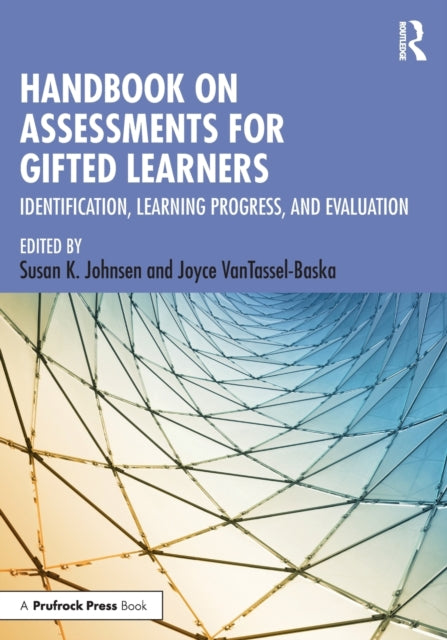
Handbook on Assessments for Gifted Learners: Identification, Learning Progress, and Evaluation
Handbook on Assessments for Gifted Learners: Identification, Learning Progress, and Evaluation
YOU SAVE £4.40
- Condition: Brand new
- UK Delivery times: Usually arrives within 2 - 3 working days
- UK Shipping: Fee starts at £3.89. Subject to product weight & dimension
Bulk ordering. Want 15 or more copies? Get a personalised quote and bigger discounts. Learn more about bulk orders.
Couldn't load pickup availability
- More about Handbook on Assessments for Gifted Learners: Identification, Learning Progress, and Evaluation
The book "Assessment for Gifted and Advanced Learners" is a valuable resource for educators looking to identify, measure, and evaluate gifted and advanced learners. It provides practical ideas and examples based on the NAGC national standards and offers insights into effective assessment practices.
Format: Paperback / softback
Length: 344 pages
Publication date: 19 July 2022
Publisher: Taylor & Francis Ltd
Assessment is a multifaceted concept encompassing identification, learning, and evaluation. It plays a crucial role in understanding and supporting the unique needs of gifted and advanced learners. In this comprehensive guide, we delve into the various aspects of assessment, offering practical insights for identifying these exceptional students, measuring their progress, and evaluating the effectiveness of assessment systems.
We begin by exploring the definition and significance of assessment, recognizing its role in fostering personalized learning experiences and promoting academic growth. We then delve into the practical strategies for identifying gifted and advanced learners, including observation, standardized tests, and performance assessments. Each approach is discussed in detail, providing examples and protocols to facilitate effective identification.
Once gifted and advanced learners are identified, measuring their progress becomes essential. We explore various assessment tools and techniques, such as curriculum-based assessments, progress monitoring, and self-assessments, to gather data on students' skills, knowledge, and abilities. These measures help educators track students' growth and identify areas for intervention or enrichment.
Evaluation is another critical aspect of assessment. We examine the different purposes of evaluation, including formative assessment for ongoing feedback, summative assessment for grading and reporting, and diagnostic assessment for identifying learning gaps. Effective evaluation practices involve using multiple sources of data, including student work, teacher observations, and standardized test scores, to provide a comprehensive understanding of students' strengths and weaknesses.
Throughout the guide, we provide examples of actual assessments and protocols used in gifted programs. These examples showcase the diverse approaches and tools employed to support gifted and advanced learners. By aligning assessment practices with national standards for gifted programs, such as those provided by the National Association for Gifted Children (NAGC), educators can ensure that their assessment systems are rigorous, equitable, and aligned with the highest standards of education.
In conclusion, assessment is a vital component of education that empowers educators to understand and support the unique needs of gifted and advanced learners. By implementing effective identification, progress measurement, and evaluation strategies, educators can create personalized learning experiences that foster academic growth and maximize students' potential. This guide provides valuable insights and practical ideas for educators seeking to enhance their assessment practices and provide optimal support for gifted and advanced learners.
Weight: 666g
Dimension: 254 x 178 (mm)
ISBN-13: 9781032259840
UK and International shipping information
UK and International shipping information
We deliver throughout the United Kingdom and to 128 countries and territories worldwide, including the United States, Australia, Canada, Germany, Spain and France.