RichardSnyder
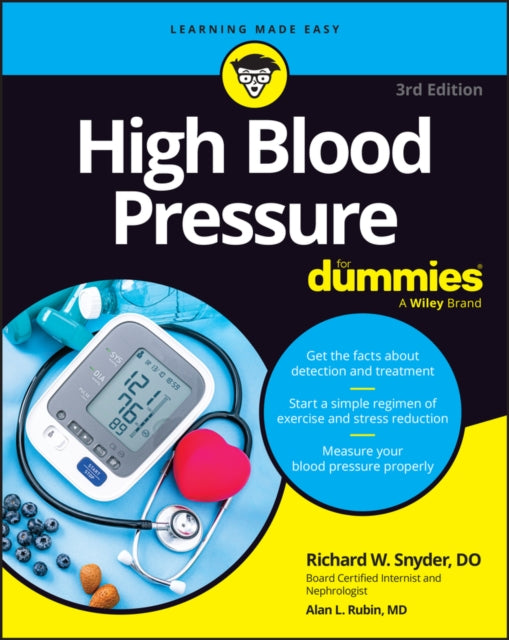
High Blood Pressure For Dummies
High Blood Pressure For Dummies
💎 Earn 90 Points (£0.90) on this item.
YOU SAVE £0.91
- Condition: Brand new
- UK Delivery times: Usually arrives within 2 - 3 working days
- UK Shipping: Fee starts at £3.89. Subject to product weight & dimension
Bulk ordering. Want 15 or more copies? Get a personalised quote and bigger discounts. Learn more about bulk orders.
Couldn't load pickup availability
- More about High Blood Pressure For Dummies
High Blood Pressure For Dummies provides information on blood pressure, its causes, prevention, and treatment, and helps individuals develop a successful treatment plan and choose the right foods for their health. It is a jargon-free, compassionate guide that is great for people with high blood pressure, their caregivers, and anyone with a family history who wants to better understand the condition.
Format: Paperback / softback
Length: 272 pages
Publication date: 18 January 2024
Publisher: John Wiley & Sons Inc
High blood pressure, also known as hypertension, is a significant medical condition that affects millions of people worldwide. It is a condition in which the blood pressure in the arteries is consistently elevated, putting strain on the heart and other organs. If left untreated, high blood pressure can lead to serious complications, including heart disease, stroke, kidney failure, and vision problems.
Fortunately, there are many ways to maintain healthy blood pressure and prevent the development of hypertension. Here are some timeless wisdom and new breakthroughs in prevention and treatment:
Lifestyle Changes:
Regular Exercise: Engaging in regular physical activity can help lower blood pressure. Aim for at least 30 minutes of moderate-intensity exercise most days of the week.
Healthy Diet: Eating a diet rich in fruits, vegetables, whole grains, lean protein, and low-fat dairy products can help lower blood pressure. Limit sodium intake, as excessive salt consumption can contribute to high blood pressure.
Weight Management: Being overweight or obese can increase blood pressure. Losing weight can help lower blood pressure and reduce the risk of other health complications.
Limit Alcohol Consumption: Excessive alcohol consumption can raise blood pressure. Limit alcohol intake to one drink per day for women and two drinks per day for men.
Stress Management: Chronic stress can contribute to high blood pressure. Practice stress-reducing techniques such as meditation, deep breathing, or yoga to help manage stress levels.
Medication:
Medication is often necessary to manage high blood pressure. Your healthcare provider will prescribe medications to help lower blood pressure, depending on your individual circumstances.
Beta-blockers: Beta-blockers, such as atenolol or propranolol, are commonly used to lower blood pressure. They work by relaxing the blood vessels and slowing down the heart rate.
Calcium Channel Blockers: Calcium channel blockers, such as amlodipine or verapamil, are also used to lower blood pressure. They work by relaxing the blood vessels and improving blood flow.
Angiotensin-converting Enzyme (ACE) Inhibitors: ACE inhibitors, such as lisinopril or benazepril, are used to lower blood pressure by reducing the production of angiotensin II, a hormone that constricts the blood vessels.
Diuretics: Diuretics, such as furosemide or hydrochlorothiazide, are used to remove excess water and sodium from the body, which can help lower blood pressure.
It is important to follow your healthcare provider's instructions carefully when taking medication for high blood pressure. Regular monitoring of blood pressure is also essential to ensure that the medication is working effectively.
In addition to medication, there are many lifestyle changes that can help maintain healthy blood pressure. These include:
Quitting smoking: Smoking can contribute to high blood pressure and other health complications. Quitting smoking can improve blood pressure and reduce the risk of heart disease.
Managing stress: Chronic stress can contribute to high blood pressure. Practice stress-reducing techniques such as meditation, deep breathing, or yoga to help manage stress levels.
Getting enough sleep: Lack of sleep can contribute to high blood pressure. Aim for seven to eight hours of sleep per night to help maintain healthy blood pressure.
Regular check-ups: Regular check-ups with your healthcare provider can help identify high blood pressure early and prevent complications.
In conclusion, high blood pressure is a significant medical condition that can lead to serious complications if left untreated. However, there are many ways to maintain healthy blood pressure and prevent the development of hypertension. By making lifestyle changes such as regular exercise, healthy diet, weight management, limit alcohol consumption, and stress management, as well as taking medication as prescribed by your healthcare provider, you can reduce the risk of high blood pressure and improve your overall health. Regular monitoring of blood pressure is also essential to ensure that the medication is working effectively. If you have any concerns about high blood pressure or have questions about your treatment plan, it is important to speak with your healthcare provider.
Weight: 510g
Dimension: 187 x 234 x 20 (mm)
ISBN-13: 9781394224944
Edition number: 3 ed
UK and International shipping information
UK and International shipping information
We deliver throughout the United Kingdom and to 128 countries and territories worldwide, including the United States, Australia, Canada, Germany, Spain and France.