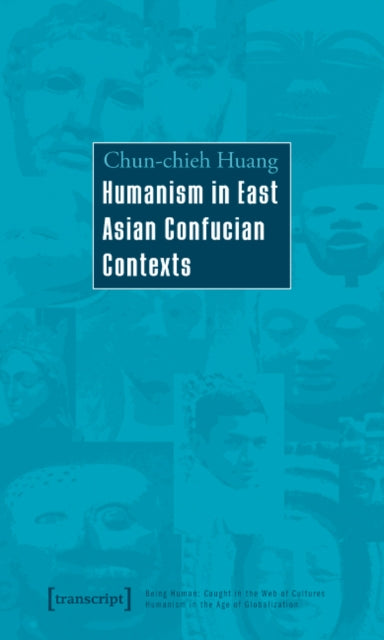
Chun-chieh Huang
Humanism in East Asian Confucian Contexts
Humanism in East Asian Confucian Contexts
We can order this item for you. Delivery usually takes about 4 to 6 weeks.
This item is not held in our immediate stock. We will order it for you after checkout.
Estimated delivery: About 4 to 6 weeks
YOU SAVE £5.85
- Condition: Brand new
- UK Delivery times: Usually arrives within 2 - 3 working days
- UK Shipping: Fee starts at £3.89. Subject to product weight & dimension
Bulk ordering. Want 15 or more copies? Get a personalised quote and bigger discounts. Learn more about bulk orders.
Couldn't load pickup availability
- More about Humanism in East Asian Confucian Contexts
The rediscovery of Confucian humanist thought has shaped the way human beings are understood in East Asia, with Chun-chieh Huang's book identifying the central pillars of the spirit: mind-body continuum, harmony, unity of heaven and humanity, and historical consciousness.
Format: Paperback / softback
Length: 168 pages
Publication date: 08 December 2021
Publisher: Transcript Verlag
The past 60 years have witnessed a remarkable resurgence of the profound cultural richness and transformative power of Confucian humanist thought in East Asia. In this comprehensive volume, esteemed Confucian scholar Chun-chieh Huang delves into diverse East Asian contexts to unveil the fundamental pillars that constitute the essence of Confucian humanism. These pillars include a seamless connection between mind and body, harmonious relationships with others, unity between heaven and humanity, and a profound historical consciousness. This book is a valuable resource for scholars of religion, history, philosophy, and Asian studies, providing a comprehensive guide to the rich tapestry of East Asian Confucian humanism.
The revival of Confucian humanist thought in East Asia has been a remarkable phenomenon over the past 60 years. This intellectual movement, rooted in the teachings of Confucius, has gained renewed interest and significance in the region. Confucian humanism emphasizes the importance of cultivating a harmonious society by promoting values such as benevolence, righteousness, and filial piety. It also emphasizes the significance of individual self-cultivation and the development of a moral character.
One of the key aspects of Confucian humanism is its emphasis on the unity of heaven and humanity. According to Confucian philosophy, the universe is interconnected, and all beings are part of a larger cosmic order. This unity is reflected in the concept of "heaven and humanity" or "tian ren," which emphasizes the interconnectedness of all things and the importance of treating others with respect and compassion.
Another important aspect of Confucian humanism is its focus on the cultivation of a profound historical consciousness. Confucianism places great value on learning from the past and using history as a guide for shaping the present and future. This historical consciousness is reflected in the Confucian belief in the cyclical nature of history, which suggests that societies go through periods of growth, decline, and renewal.
Confucian humanism has had a significant impact on East Asian culture and society. It has influenced the development of education, politics, and social institutions in the region. For example, Confucian values have been incorporated into the educational system in many East Asian countries, emphasizing the importance of moral education and character development. Confucian humanist ideas have also been influential in shaping political systems, particularly in China, where the concept of "harmonious society" has been used as a guiding principle for government policy.
In addition to its impact on East Asia, Confucian humanism has also gained recognition and influence in the West. Many scholars and thinkers have been drawn to the ideas and principles of Confucian humanism, and it has been incorporated into various fields such as education, philosophy, and social work.
One of the challenges facing Confucian humanism in the modern world is the need to adapt to changing social and cultural contexts. While Confucian values and principles remain relevant and valuable, they may not be universally applicable to all societies and cultures. As such, there is a need for a nuanced and contextualized understanding of Confucian humanism that can be relevant to different contexts and communities.
Another challenge facing Confucian humanism is the need to address contemporary social and environmental issues. Confucianism places great emphasis on the importance of harmony and balance in the natural world, and it emphasizes the need to protect and preserve the environment. However, in the modern world, there are many challenges to environmental sustainability, such as climate change, pollution, and resource depletion. Confucian humanists need to find ways to integrate their ideas and principles with contemporary scientific and environmental knowledge to develop effective solutions to these challenges.
Despite these challenges, Confucian humanism remains a powerful and relevant force in the world today. Its emphasis on the cultivation of a moral character, the unity of heaven and humanity, and the importance of learning from the past provides a valuable framework for addressing contemporary social and environmental issues. As such, there is a growing interest in Confucian humanism both in East Asia and in the West, and it is likely to continue to play an important role in shaping the future of society.
In conclusion, the past 60 years have witnessed a remarkable resurgence of the profound cultural richness and transformative power of Confucian humanist thought in East Asia. This intellectual movement, rooted in the teachings of Confucius, has gained renewed interest and significance in the region. Confucian humanism emphasizes the importance of cultivating a harmonious society by promoting values such as benevolence, righteousness, and filial piety. It also emphasizes the significance of individual self-cultivation and the development of a moral character.
One of the key aspects of Confucian humanism is its emphasis on the unity of heaven and humanity. According to Confucian philosophy, the universe is interconnected, and all beings are part of a larger cosmic order. This unity is reflected in the concept of "heaven and humanity" or "tian ren," which emphasizes the interconnectedness of all things and the importance of treating others with respect and compassion.
Another important aspect of Confucian humanism is its focus on the cultivation of a profound historical consciousness. Confucianism places great value on learning from the past and using history as a guide for shaping the present and future. This historical consciousness is reflected in the Confucian belief in the cyclical nature of history, which suggests that societies
societies go through periods of growth, decline, and renewal.
Confucian humanism has had a significant impact on East Asian culture and society. It has influenced the development of education, politics, and social institutions in the region. For example, Confucian values have been incorporated into the educational system in many East Asian countries, emphasizing the importance of moral education and character development. Confucian humanist ideas have also been influential in shaping political systems, particularly in China, where the concept of "harmonious society" has been used as a guiding principle for government policy.
In addition to its impact on East Asia, Confucian humanism has also gained recognition and influence in the West. Many scholars and thinkers have been drawn to the ideas and principles of Confucian humanism, and it has been incorporated into various fields such as education, philosophy, and social work.
One of the challenges facing Confucian humanism in the modern world is the need to adapt to changing social and cultural contexts. While Confucian values and principles remain relevant and valuable, they may not be universally applicable to all societies and cultures. As such, there is a need for a nuanced and contextualized understanding of Confucian humanism that can be relevant to different contexts and communities.
Another challenge facing Confucian humanism is the need to address contemporary social and environmental issues. Confucianism places great emphasis on the importance of harmony and balance in the natural world, and it emphasizes the need to protect and preserve the environment. However, in the modern world, there are many challenges to environmental sustainability, such as climate change, pollution, and resource depletion. Confucian humanists need to find ways to integrate their ideas and principles with contemporary scientific and environmental knowledge to develop effective solutions to these challenges.
Despite these challenges, Confucian humanism remains a powerful and relevant force in the world today. Its emphasis on the cultivation of a moral character, the unity of heaven and humanity, and the importance of learning from the past provides a valuable framework for addressing contemporary social and environmental issues. As such, there is a growing interest in Confucian humanism both in East Asia and in the West, and it is likely to continue to play an important role in shaping the future of society.
Weight: 338g
Dimension: 229 x 144 x 17 (mm)
ISBN-13: 9783837615548
UK and International shipping information
UK and International shipping information
We deliver throughout the United Kingdom and to 128 countries and territories worldwide, including the United States, Australia, Canada, Germany, Spain and France.